Is a Mild Hybrid Car Right for You?
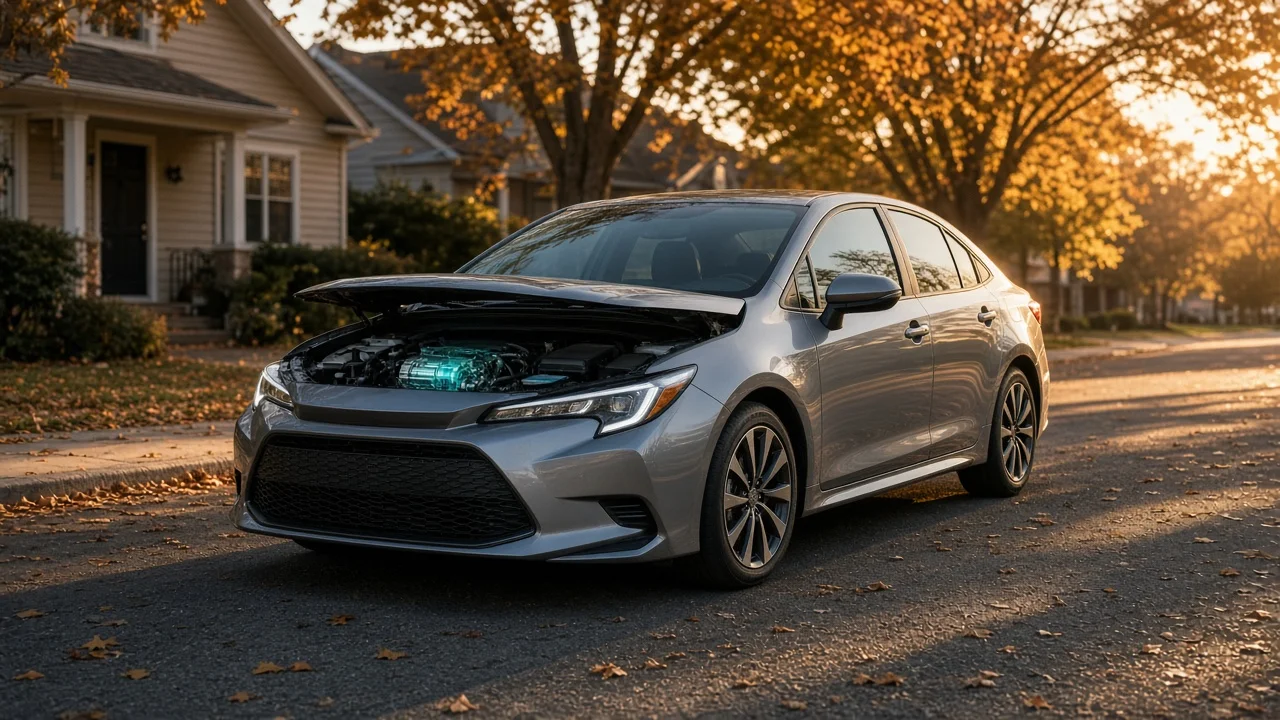
Mild hybrid cars sit between conventional gasoline vehicles and full hybrids. They add a small electric motor and battery that help the engine, but they cannot drive the car on electricity alone in any meaningful way, and they never need to be plugged in. For many buyers that makes them an easy step: they drive and refuel like a regular car, with smoother stop-start operation and some efficiency gain. Whether one is right for you depends mainly on what you expect from the word "hybrid."
The Short Answer
A mild hybrid is a good fit if you want a familiar gasoline car that is somewhat more refined and efficient, with no change to how you fuel it. It is a weaker fit if your main goal is large fuel savings, electric-only driving, or lower emissions in heavy city traffic. In those cases a full hybrid or plug-in hybrid usually does more. Because the size of the benefit varies by model, model year, engine and trim, treat any mild hybrid as an improved conventional car rather than a substitute for a full hybrid.
What a Mild Hybrid Actually Is
Most current mild hybrid systems use a 48-volt electrical system alongside the car's standard 12-volt system. Some earlier or lower-cost designs used lower voltages. The core parts are usually:
A starter-generator, often belt-driven and mounted where the alternator would normally be, though some designs place the motor between the engine and transmission. A compact lithium-ion battery that stores energy recovered during deceleration and braking. A DC-DC converter that links the 48-volt system to the conventional 12-volt electrical system. Battery management electronics that monitor charge level, temperature and cell health, and decide when to store or release energy.
In use, the system captures some energy when you slow down, restarts the engine quickly and quietly after an automatic stop, and adds a modest push of torque when pulling away or accelerating. Depending on the design, it may also allow the engine to shut off while coasting and run electrical accessories with the engine off for short periods. The gasoline engine still does nearly all of the work of moving the car.
How Mild Hybrids Differ From Other Powertrains
Type | Electric-only driving | Plug-in charging | Typical role of electric motor; Conventional gasoline | No | No | None beyond the starter and alternator; Mild hybrid | No, or only very briefly in some designs | No | Assists the engine, smooths stop-start, recovers braking energy; Full hybrid | Yes, at low speeds and short distances | No | Can propel the car alone and works closely with the engine; Plug-in hybrid | Yes, for a usable range | Yes | Primary drive source until the battery is depleted
The key difference is scale. A full hybrid uses a larger battery and more powerful motor that can move the vehicle independently, which is where most of its city fuel savings come from. A mild hybrid's motor is designed to assist rather than replace the engine, so its efficiency gains are generally smaller and most noticeable in traffic with frequent stops.
High-Voltage System, Isolation and Safety
A 48-volt system generally falls below the voltage level that industry standards treat as high voltage, which is commonly set around 60 volts DC. That is one reason automakers adopted 48 volts: it delivers more electrical power than 12 volts while avoiding much of the extensive isolation, shielding and safety interlocking that full hybrids and EVs require for their high-voltage systems. This helps keep the system simpler and cheaper to build.
That does not mean the system is something to work on casually. A 48-volt battery can still deliver substantial current, and repair procedures, disconnection steps and diagnostic tools are specific to each manufacturer. Owners who do their own maintenance should follow the service information for their exact vehicle before touching anything beyond routine items.
Charging Compatibility: There Isn't Any to Worry About
Mild hybrids have no charging port and cannot be charged from a wall outlet or public charger. The battery is replenished only by regenerative braking and the engine-driven starter-generator. For buyers, this is a convenience: there is no home charger to install and no need to plan around charging stations. It also means a mild hybrid offers none of the electric-driving benefits that come with plugging in.
Who Is Likely to Benefit
Drivers who want a conventional ownership experience with no charging and no change in fueling habits. Commuters in stop-and-go traffic, where frequent restarts and energy recovery provide the most benefit. Buyers who dislike the abrupt feel of basic engine start-stop systems; mild hybrid restarts are typically smoother and quieter. Shoppers whose preferred model or trim is offered only, or primarily, with a mild hybrid powertrain. Drivers of larger vehicles, such as some trucks and SUVs, where the added low-speed torque can make the powertrain feel more responsive.
Who Might Be Better Served Elsewhere
Drivers whose top priority is the lowest possible fuel use in city driving; a full hybrid is usually the stronger choice. Those who want quiet electric-only operation for daily short trips and can charge at home; a plug-in hybrid or EV fits that pattern better. Mostly highway drivers, who see fewer stops and less braking energy to recover, so the mild hybrid system has less opportunity to help. Buyers paying a significant premium specifically for the mild hybrid version, unless the expected fuel savings or refinement justify the difference for them.
Ownership Considerations
Day-to-day ownership is close to that of a conventional car. Oil changes, tires, brakes and other routine service follow the usual schedule. Regenerative braking can reduce how much work the friction brakes do, although the effect on brake wear varies with the system and driving style.
Most mild hybrids still have a separate 12-volt battery that powers standard electronics, and it needs attention like the battery in any other car. The 48-volt battery is managed automatically: battery management software keeps it within a safe charge range, and thermal management, which may use air cooling or a link to the vehicle's cooling system depending on the design, protects it from extreme temperatures. Very hot or cold weather can temporarily limit how much the system assists the engine.
Long-term questions, such as how long the 48-volt battery will last and what a replacement costs, depend heavily on the manufacturer and model. Before buying, especially used, check the warranty coverage for hybrid components, which can differ from the basic powertrain warranty and may vary by state. Also ask whether the system has needed any service or software updates.
How to Spot a Mild Hybrid in a Vehicle Specification
Automakers don't label mild hybrids consistently, and some don't call them hybrids at all. When reading a window sticker, brochure or online vehicle specification, look for terms such as "mild hybrid," "MHEV," "48-volt" or "48V," "integrated starter-generator," or a brand-specific name for electric assist. If the listing doesn't make it clear, ask the dealer directly whether the specific trim and engine you are considering includes the system. Availability can change between model years and trims of the same model.
Compare official fuel economy ratings for the mild hybrid version against the non-hybrid version of the same model, if one exists. That comparison shows the real difference for that vehicle more reliably than general claims about mild hybrids.
Quick Decision Checklist
Do you want to avoid charging entirely? A mild hybrid works. Is a big cut in fuel use your main goal? Look at full hybrids first. Do you drive mostly in town with frequent stops? A mild hybrid will help more than it would on the highway. Can you charge at home and want electric-only driving? Consider a plug-in hybrid or EV. Is the mild hybrid an optional upgrade on the model you want? Compare its official fuel economy and price against the standard version before deciding.
Bottom Line
A mild hybrid is best understood as a refined gasoline car with some electric assistance. It brings smoother stop-start, some extra low-speed response and modest efficiency gains without changing how you fuel or maintain the vehicle. If that matches your expectations, it can be a sensible choice. If you want hybrid-level fuel savings or any electric driving, a full hybrid or plug-in hybrid is the better match.