How Does a Mild Hybrid Assist Acceleration?
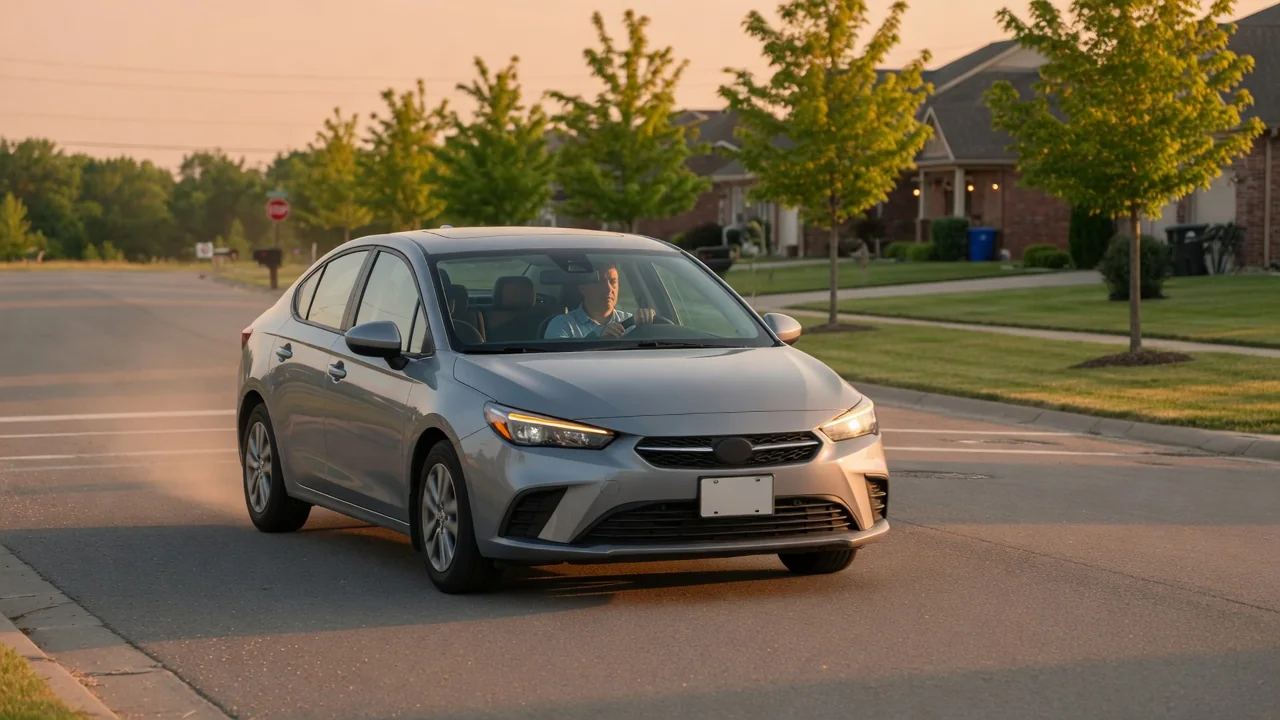
A mild hybrid assists acceleration by using a compact electric motor generator to add torque to the combustion engine for short periods. It draws that energy from a small battery that is recharged mostly while the vehicle slows down. The electric help supplements the engine rather than replacing it. To understand how a mild hybrid acceleration assist works, it helps to look at three parts of the system: the motor generator, the battery that feeds it, and the limits the control logic places on both.
Motor Generator: Where the Extra Torque Comes From
The heart of a mild hybrid is a single electric machine that can work either as a motor or as a generator. In general, it is installed in one of two ways. In a belt-driven layout, often called a belt-integrated starter generator, it sits at the front of the engine where a conventional alternator would be and connects to the crankshaft through the accessory drive belt. In an integrated layout, the electric machine is mounted on the crankshaft side between the engine and the transmission. In both cases the motor generator is mechanically tied to the engine, so it turns whenever the crankshaft turns and can either add torque to it or absorb torque from it.
When the driver presses the accelerator, the powertrain control software translates pedal position into a torque request. The hybrid control logic then decides how much of that request the electric machine should supply. An inverter converts direct current from the battery into the alternating current the motor needs. Electric motors can produce strong torque almost immediately, even at low rotational speeds, and that characteristic complements the engine at the moments when it responds least eagerly: just above idle, while a turbocharger is still building boost, or right after the engine restarts from a stop-start event. Filling those gaps is often described as torque fill, and it is the main way a mild hybrid makes acceleration feel more immediate.
The control system blends engine torque and electric torque so the combined output matches what the driver asked for. Because the motor shares part of the load during these transitions, the engine may not need to work as hard in its least efficient operating zones. Exactly when the assist starts, how strong it is and how quickly it fades are calibration choices that differ between manufacturers and vehicles.
Battery: The Energy Reserve Behind the Assist
The motor generator is supplied by a dedicated battery, commonly a lithium-ion pack. Many mild hybrids use a 48-volt electrical system for this purpose, although other voltages exist. This battery is separate from the conventional 12-volt battery, which continues to power lights, infotainment and control modules; in many designs a DC-DC converter links the two systems. Compared with the battery in a full hybrid, a mild hybrid battery stores relatively little energy. It is sized to deliver short bursts of power and absorb recovered energy, not to carry the vehicle over long distances.
Recharging happens without a plug. When the driver lifts off the accelerator or brakes, the motor generator switches to generating mode and converts some of the vehicle's kinetic energy into electricity, a process known as regenerative braking or energy recovery. The system can also charge the battery using engine power when the control logic judges that to be efficient. A battery management system continuously monitors state of charge, cell temperatures and overall battery condition, and it reports to the hybrid controller how much power the battery can currently deliver or accept.
The control logic usually keeps the battery within a middle range of charge rather than letting it fill completely or drain fully. Staying away from the extremes leaves room to capture energy during the next deceleration and helps protect battery life. As a result, the amount of assist available at any moment depends directly on how much usable energy is sitting in that window.
Limitations of Mild Hybrid Acceleration Assist
The assist is intentionally brief and moderate. The motor generator is sized to help the engine, not to propel the vehicle by itself at normal driving speeds. Most mild hybrids cannot drive on electric power alone in the way a full hybrid can, although some designs may allow limited engine-off operation in specific situations such as coasting. Whether a particular vehicle does this depends on its system design and should not be assumed.
Several conditions reduce or temporarily remove the electric contribution. Repeated hard acceleration, or a long climb without opportunities to recover energy, can lower the state of charge until the controller limits further assist. Very cold or very hot battery temperatures cause the battery management system to restrict power to protect the cells. An aging battery may have less usable capacity, and a detected fault can disable the assist entirely. In each case the control logic falls back to engine power, and the vehicle continues to drive conventionally.
There are mechanical limits as well. Because the electric machine feeds torque through the same crankshaft and transmission as the engine, its help is shaped by the same gearing. The benefit tends to be most noticeable at low speeds and during transitions, and less apparent at higher speeds where the engine's own output dominates. In belt-driven systems, the amount of torque that can be transferred is also limited by the belt drive itself.
Practical Implications and Limits for Drivers
In everyday driving, the effect usually shows up as smoother, quicker restarts after the engine shuts off at a stop and less hesitation when pulling away or merging. Because available assist varies with battery conditions, a vehicle may not respond identically in back-to-back situations, such as after several hard launches in a row or on a very cold morning. That variation is generally normal system behavior rather than a sign of a problem, unless it comes with a warning light or a stored fault.
Driving habits can influence how much help is available. Gradual deceleration gives the system more opportunity to recover energy, which keeps the reserve ready for the next acceleration. Some vehicles change hybrid behavior depending on the selected drive mode; the owner's manual is the right place to confirm whether and how a specific model does this, since the logic is not standardized across manufacturers.
For ownership and maintenance, it helps to remember that a mild hybrid still relies on the 12-volt battery for normal electrical functions, so a weak 12-volt battery can cause problems unrelated to the hybrid hardware. In belt-driven systems, the condition of the accessory belt and its tensioner matters more than in a conventional car because the belt now carries assist and recovery loads. Although many mild hybrid systems operate at lower voltages than full hybrids, they can still deliver substantial current, so diagnosis and repair should follow the manufacturer's service procedures. Overall, a mild hybrid improves responsiveness and efficiency in specific moments; it is not designed to deliver the sustained electric performance of a full or plug-in hybrid.