Is a Certified Pre-Owned Used Car Worth It?
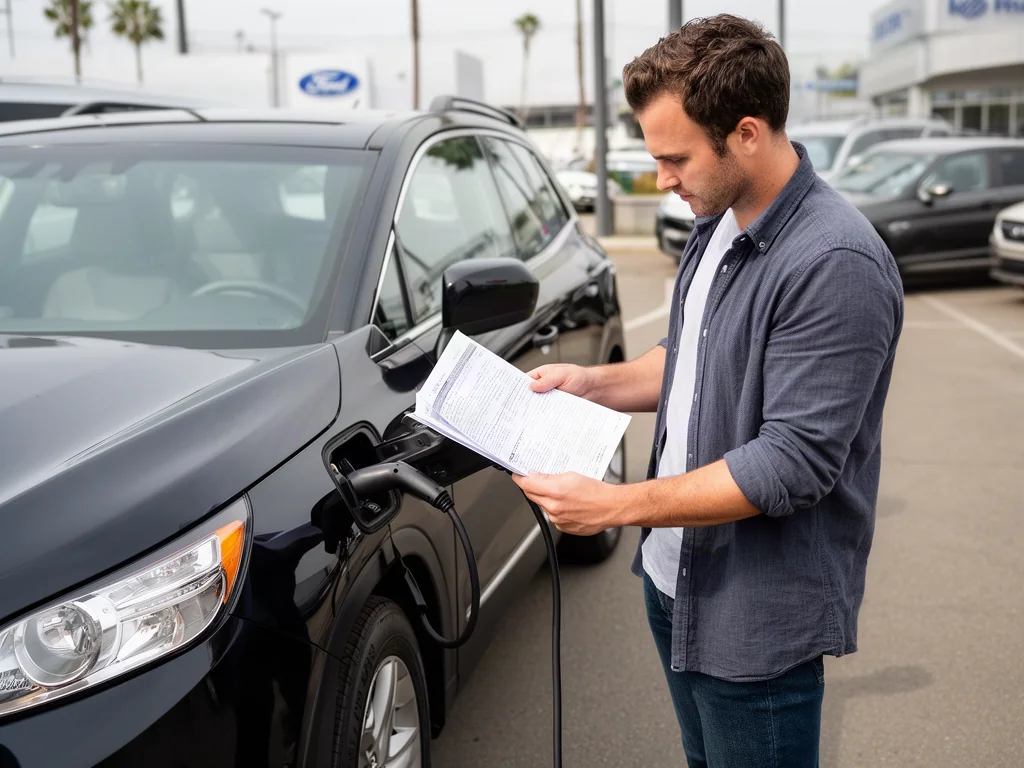
Buying a certified used car can look like a middle path between new and typical used inventory, but certified pre-owned status is a program label, not a guarantee. Whether buying a certified used car is worth it depends on who backs the certification, what the inspection and limited warranty cover, and how total cost compares with a similar non-certified car. Advertised benefits appear only when the paperwork matches the pitch.
What Certified Pre-Owned Status Actually Means
Certified pre-owned status means a vehicle met the rules of a named program at enrollment, not that it will remain trouble-free. Manufacturer certification, dealer certification, and third-party programs use different standards, and the backing party is the one whose name appears on the enrollment documents. A manufacturer-backed label typically follows factory rules and authorized-network claims, while a dealer program is only as strong as that store's written terms. Ask who pays if a covered component fails after delivery.
Eligibility often hinges on age, mileage, accident history, and present condition, yet those cutoffs vary by brand and by dealer program. Some cars never qualify because of flood branding, salvage titles, or prior structural damage; others age out or exceed mileage caps even if they look well kept. When buying a certified used car from a dealer, confirm that this vehicle identification number is enrolled in the advertised program, not that similar inventory usually is. A window sticker claim is not enrollment.
What the Certification Inspection Can Tell You
A practical benefit of buying a certified used car is a documented look at mechanical operation, safety equipment, tires, interior wear, and exterior condition, though inspection depth depends on the program rather than a universal standard. Request the completed inspection checklist for the specific car, not a generic sample, and ask for records of reconditioning already performed. Those notes show which components were replaced, adjusted, or left as-is. Without that paperwork, the inspection is a talking point instead of evidence.
An inspection records findings at a particular time and cannot rule out every hidden defect or future failure. A vehicle history report can flag title brands, reported accidents, and odometer issues that a walk-around may miss, while maintenance records show whether fluids, brakes, and scheduled services were actually performed. An independent inspection by a shop you choose adds a second set of measurements and road-test notes. Together those sources help you decide whether the certification findings match the car in front of you.
How to Read the Certified Warranty
A limited warranty is useful only after you identify covered components, exclusions, any deductible, claim procedures, and authorized repair locations. Powertrain coverage may stop at the engine, transmission, and drive axles, while bumper-to-bumper language still carves out wear items and prior damage. Ask how a claim is authorized, who chooses the shop, and whether work at an independent facility is reimbursed. The written contract, not a brochure, controls what happens if a covered part fails after you take delivery.
Confirm the warranty start date, expiration date, and mileage limit, and ask how any remaining original factory warranty interacts with the certified coverage so you are not counting the same months twice. Routine maintenance, wear items such as brake pads and tires, and preexisting conditions are often excluded; the written terms control. Identify roadside assistance, rental reimbursement, or trip interruption benefits if they are offered, then check dollar caps, waiting periods, and whether those extras apply only at authorized locations.
What to Verify at the Dealership Before Signing
Before signing, request written confirmation of certification tied to the vehicle identification number, then sit with the vehicle history report, available service records, inspection results, and the warranty contract. Buying a certified used car from a dealer should include time to read those documents, not a verbal assurance that everything is already certified. Match mileage, option codes, and prior repairs across the packet. If numbers disagree, pause until the store explains the gap in writing.
Obtain an itemized out-the-door price that separates taxes, fees, optional products, and any separate certification charge from the vehicle price. Confirm any return or exchange policy in writing, and record promised repairs in the purchase paperwork so they are not left as hallway agreements. A refusal to provide documents or to permit an independent inspection leaves important questions unresolved. That stall is a reason to walk rather than to assume the missing paperwork would have been favorable.
Costs and Limits That Affect Ownership
Certification and reconditioning can raise the asking price without proving the vehicle is fairly priced against comparable non-certified cars. Compare that figure with similar mileage examples, then add financing charges, any deductible, ongoing maintenance, insurance, and repairs that fall outside warranty coverage. A higher payment that only buys a short limited warranty may not offset those extras. Run the monthly and annual totals before treating the certified badge as a bargain.
Repair network restrictions, claim authorization steps, and reimbursement limits can change how convenient coverage feels once you own the car. If every claim must wait for a diagnostic approval and work must occur at a listed dealer, a breakdown far from that network can mean extra time and out-of-pocket costs even when a component is theoretically covered. Review warranty transfer and cancellation terms where they exist, without assuming you can sell the remaining coverage or unwind it after signing.
Deciding Whether Certification Is Worth Paying For
The decision is about this vehicle's condition, documented coverage, total cost, and the cash cushion you keep for uncovered work, not about a universal yes or no. Expected annual mileage and planned ownership length determine how much of the certified warranty you can actually use; a short stay or low miles may leave unused coverage you still paid for. High-mileage commuting can exhaust a mileage cap before the calendar date. Match those habits to the contract before paying extra for the badge.
Proceeding is easier when enrollment is clear, the inspection checklist and reconditioning notes are complete, coverage looks usable for your driving, and the out-the-door price plus ownership extras still fit your budget. Pause when certification status is unclear, inspection records are missing, coverage is narrow or hard to use, or condition questions remain after an independent inspection. Certification is one part of evaluating the purchase. It does not promise repair savings, and it is not a substitute for reading the contract.