Dealership Used Car Inspections: What CPO and Pre-Delivery Checks Cover
A certified used car inspection sounds reassuring, but what does it actually cover? Many shoppers assume a dealership check is comprehensive, yet the depth and purpose vary widely. A used car dealer inspection may be a quick look-over before sale, a manufacturer-defined certified pre-owned program, or a final pre-delivery inspection before you take the keys. Understanding what each type involves—and where it falls short—helps you spot a genuinely well-prepared car rather than one that merely has a checklist on file.
What a Dealership Used Car Inspection Is and Why Dealers Perform One
When a dealer takes in a trade or buys a car at auction, the used car inspection at the dealership is a business decision tool. The service department evaluates the vehicle to identify obvious defects, estimate reconditioning costs, and decide whether it is worth retailing to a customer or sending to wholesale. This initial step is not intended to certify the car for you; it is about protecting the dealer's margin and ensuring the vehicle is lawful and presentable enough to sell.
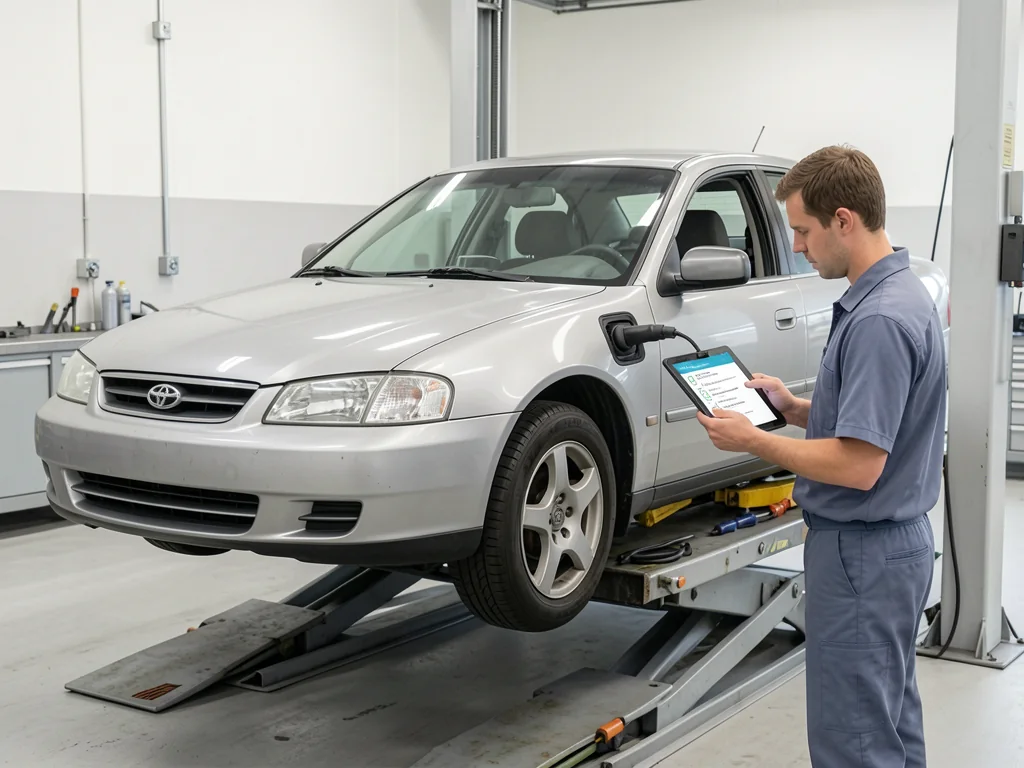
A typical multi-point inspection is a visual and functional review performed on a lift, often paired with a short road test. Technicians will check tire tread depth, brake pad thickness, fluid levels, suspension play, and exterior damage, but they are not tearing down the engine or running deep diagnostic workups. The depth, number of points, and even the paperwork produced can differ dramatically from one dealer to another. Ask to see the actual completed report and reconditioning list, and watch whether items are recorded as measured, replaced, or simply marked 'passed.'
How Certified Pre-Owned Inspections Differ From a Standard Dealer Check
Certified pre-owned programs apply stricter rules than a standard used car dealer inspection checklist. Manufacturers and large dealer groups typically set age and mileage limits, require a specific inspection list with measurable criteria, and include some form of extended coverage. However, the details are not universal. A manufacturer-backed certification means the automaker's standards and warranty support apply, while a dealer's own 'certified' label may be little more than a marketing term with limited backing behind it.
Before relying on certification, confirm who stands behind the coverage and read the program terms for the exact brand and model year. Do not assume that a 100-point inspection or a certain number of months of coverage is automatically included—those figures vary. And remember that certification is a snapshot: it means the car met the program's criteria on the day it was inspected. It does not eliminate normal wear, and it will not guarantee the car remains trouble-free after you drive away.
What Happens During a Used Car Pre-Delivery Inspection
A used car pre-delivery inspection is the final preparation stage just before handover. The dealership should clean the car, verify fluid levels, adjust tire pressures to specification, test all lights and exterior bulbs, and check that no warning lamps remain illuminated on the dash. Confirming that any promised repairs from the negotiation are actually completed is a key part of this step, along with making sure all keys, remotes, and manuals are present.
Unlike the reconditioning inspection, which looks for mechanical issues to fix, the pre-delivery check focuses on readiness and presentation. It is not a deep mechanical evaluation; it ensures the car is safe to drive off the lot and that the interior looks and smells acceptable. Before signing final paperwork, ask for proof that agreed work was done—repair orders or parts invoices work well. Schedule enough time at pickup to walk around the car in good light and verify condition without feeling rushed.
Items Commonly Found on a Used Car Dealer Inspection Checklist
A used car dealer inspection checklist typically groups exterior and mechanical areas. Technicians look at body panels, glass, tires, wheels, visible brake components, suspension and steering parts, fluid levels, and signs of leaks. They also test the battery, lights, and basic electrical accessories. A short road test is usually part of the process, with notes on starting behavior, transmission shifting, brake feel, steering pull, and any unusual noises or vibrations.
Interior and convenience items get attention too: heating and A/C operation, infotainment functions, windows, locks, seat adjustments, and key or remote functionality are often marked off. However, a checked box only means an item was looked at—it does not guarantee a precise measurement was taken. If you want confidence in wear items, look for recorded values on the report, such as tread depth in 32nds of an inch or brake pad thickness in millimeters. Without numbers, 'okay' is subjective.
A Buyer's Pre-Delivery Inspection Checklist for Pickup Day
On pickup day, start with the paperwork and the car itself. Compare the VIN on the dashboard, door jamb, and sales contract to make sure they match. Walk around the vehicle slowly, looking for new scratches, dents, or curbed wheels that were not there during your earlier visit. Confirm the tires are the same brand and size you saw before, and verify that both sets of keys, the owner's manual, floor mats, and any promised accessories are included.
Inside the cabin, start the engine and watch the dashboard: all warning lights should clear after startup. Test the climate controls, windows, locks, infotainment screen, and backup camera. Take a short drive on familiar roads to recheck braking, steering, and shifting, and listen for any new noises. Document the condition with photos from several angles. If anything is unresolved, write it on the sales paperwork before accepting delivery—and keep your checks observational, with no tools, jacking, or under-hood disassembly.
Limits of Dealer Inspections and What They Can Miss
A dealership used car inspection has an inherent conflict of interest: the same business that is selling the car is also the one verifying its condition. That does not mean every dealer is dishonest, but it does mean the inspection is designed to protect the sale as much as the buyer. An independent set of eyes can be valuable because a visual multi-point check can miss intermittent electrical faults, early transmission slip, hidden corrosion inside frame rails, subpar collision repairs, or problems that only appear after an extended highway drive.
A clear dashboard is not proof of a clean bill of health. Fault codes can be stored without an illuminated warning light, and some sellers may clear codes shortly before you arrive. A proper diagnostic scan with readiness monitor checks requires professional equipment that a typical visual inspection does not include. Treat vehicle history reports and maintenance records as supporting evidence, not a substitute: each has gaps, and none is a complete picture of mechanical condition.
When an Independent Pre-Purchase Inspection Is Still Worth It
An independent pre-purchase inspection adds the most value in several situations: when you are spending a significant amount, when service history is thin, when the car is not certified by a manufacturer, or when something about the vehicle feels off. A neutral mechanic can perform a diagnostic scan for stored or pending codes, take a closer look underneath with a lift, and judge the quality of past repairs—something a dealer checklist rarely addresses in detail.
Before booking an appointment, ask the dealer early whether the car can leave the lot to go to your independent shop, or whether a mobile inspector can come to the dealership. Find out what time window they allow and who must be present. Use the findings to make a clear decision: go ahead if issues are minor, ask the dealer to fix specific problems, or walk away if the risks are too high. No single inspection—dealer or independent—is a guarantee against future repairs.