Buying a Used Luxury Car: Costs, Depreciation and Checks That Matter
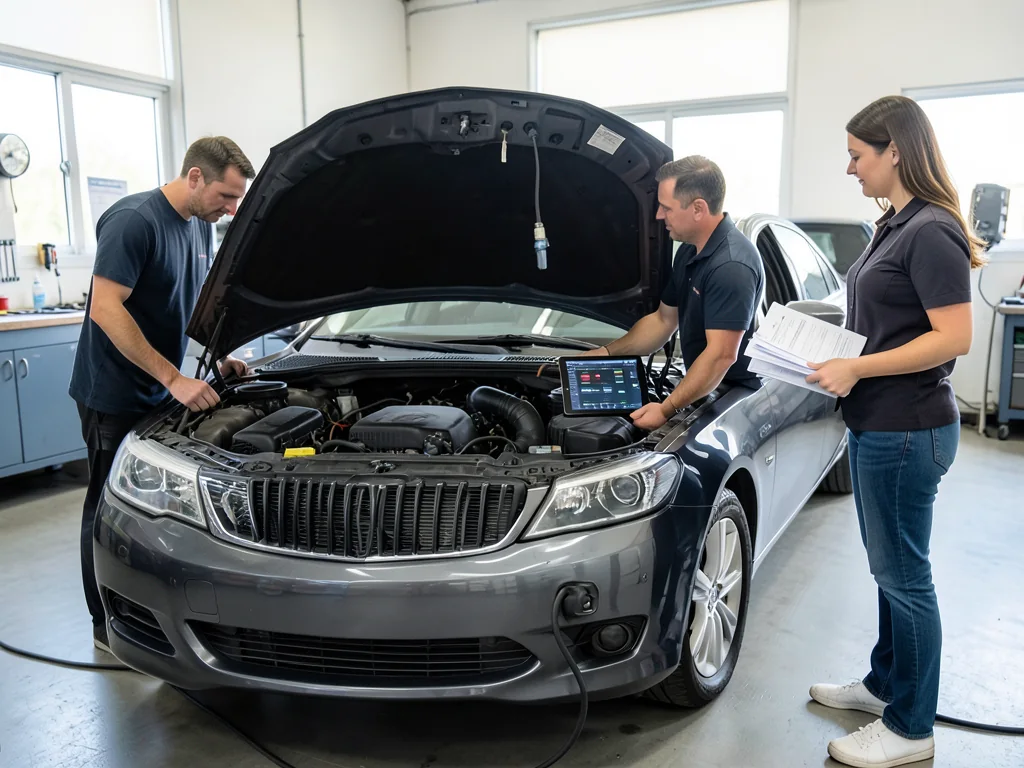
A used luxury car can look like a bargain because steep early depreciation has already erased much of the original price. Yet the purchase amount is only the entry cost; running expenses stay tied to the vehicle's premium engineering. Understanding what that means for insurance, fuel, maintenance, and future resale is essential before you buy, because total cost of ownership, not the sale price, determines whether the car truly fits your budget.
Why Used Luxury Cars Look Like Bargains and What the Low Price Hides
Luxury vehicles often lose value quickly in their first few years because many are leased and then return to the market in large numbers. That creates an attractive used price compared with the original MSRP, but it does not lower the cost of parts, specialized labor, or the premium fuel many high-performance engines require. A car that once sold for twice as much still needs service and repairs priced for its original segment, so the low entry price can hide a much higher ongoing commitment.
The right buyer for a used luxury car is someone whose budget leaves meaningful room after the purchase, not someone who stretches to afford the car itself. If financing consumes nearly all available monthly income, a single repair invoice for a complex suspension or control module could create immediate financial strain. Conversely, a buyer with a documented repair reserve and realistic expectations about running costs can enjoy the comfort and performance without constant worry.
Budgeting for Ownership: Insurance, Fuel, Tires and Repair Reserves
Before committing to a specific vehicle, obtain insurance quotes for that exact car and trim. Luxury models often carry higher premiums because repair costs, parts prices, and theft rates can be elevated. Even two cars with the same purchase price can have very different insurance rates. Fuel is another recurring item: many luxury engines require premium gasoline to deliver rated performance and avoid knock. Tires are often larger, lower-profile, or performance-oriented, meaning they may wear faster and cost more per set.
A repair reserve is a practical way to prepare for the higher parts and labor costs that complex luxury vehicles can bring. Instead of assuming nothing will go wrong, set aside a defined amount each month or a lump sum after purchase so that a failed air suspension component or an electrical gremlin does not become an emergency. Costs vary significantly by brand, model, region, and whether you use a dealer or an independent specialist. Local quotes for planned services and a realistic conversation with a trusted technician will be more accurate than online averages.
Maintenance Expectations for Complex Luxury Vehicles
Modern luxury vehicles often carry a much higher density of electronics, driver-assistance systems, air suspension, and turbocharged engines than mainstream cars. Each of these systems adds potential failure points. A camera or radar sensor can need calibration after minor bodywork, an air spring can leak with age, and a turbocharger can be sensitive to oil quality and change intervals. Buyers should expect that some repairs will require brand-specific scan tools and software, which not every independent shop possesses.
Maintenance should follow the manufacturer's schedule for the specific model and engine, not generic intervals that may be too optimistic or too aggressive. Many luxury vehicles have condition-based service indicators that vary intervals according to actual use. Whether to use a dealership or a qualified independent specialist is a personal and financial choice. Dealers offer factory training and access to the latest technical bulletins, but their labor rates are typically higher. Independent shops with brand expertise can provide excellent service at lower cost, provided they have the correct diagnostic equipment and access to updated repair information.
Understanding Depreciation When You Buy and When You Sell
Luxury vehicles tend to depreciate rapidly in their early years because new models are frequently updated, and the pool of buyers for used examples is smaller than for mainstream cars. Leasing also plays a role: when large numbers of three-year-old leases return to the market, supply increases and prices fall. As the vehicle ages further, the depreciation curve usually flattens, because the absolute dollar value is already low and the remaining buyers are often enthusiasts or value-seekers who understand the maintenance costs.
Resale value is influenced by mileage, overall condition, desirable options, documented service history, and any remaining warranty or certified coverage. A well-maintained example with complete records and moderate miles will typically command more than a neglected car with a lower asking price. Buyers should think about their likely ownership period before signing. If you plan to sell in two or three years, further depreciation will matter a great deal and could offset the perceived bargain. If you intend to keep the car for many years, the purchase price and ongoing costs matter more than the eventual trade-in value.
Vehicle History, Service Records and Warranty Coverage
A complete service history is one of the strongest signals of how a used luxury car was treated. Examine the records for regular oil changes, brake fluid flushes, transmission services, and any repairs that indicate the previous owner addressed problems promptly. Gaps in the history, missing invoices for major services, or a pattern of repairs that suggest neglect should lower your confidence and your offer. A vehicle history report adds another layer by revealing reported accidents, title issues, mileage discrepancies, and the number of previous owners.
Certified pre-owned programs offered by manufacturers can provide additional assurance, but the coverage varies widely. Some programs inspect the vehicle against a long checklist and extend the original warranty, while others add only a short limited powertrain plan. Read the specific coverage documents to understand what is included, what is excluded, and whether any deductible applies. Third-party extended warranties can also be useful, but they are insurance products with detailed exclusions for wear items, pre-existing conditions, and specific high-cost components. Confirm with the manufacturer or warranty provider whether any remaining factory coverage transfers to a second owner.
Inspection Checks Specific to Used Luxury Cars
During a visual walk-around and test drive, systematically operate every electronic feature. Infotainment screens, navigation, Bluetooth, and voice controls should respond without freezing or rebooting. Power seats and mirrors should move through their full range without binding, and all climate zones should produce heat and cold air. Sensors, parking cameras, and driver-assistance warnings such as blind-spot monitoring and lane-departure alerts should function without false activations or error messages. Watch for warning lights on the dashboard, especially any that remain illuminated after start-up.
A buyer can observe these symptoms, but interpreting them accurately often requires professional equipment. Stored fault codes in multiple control modules can reveal intermittent problems that do not light a warning lamp, and reading them properly requires a scan tool capable of communicating with brand-specific systems. A generic OBD-II reader may miss body, chassis, or infotainment codes entirely. For this reason, always arrange a pre-purchase inspection by a technician familiar with the brand before paying. Never attempt to lift, disassemble, or repair a vehicle you do not own.
Making the Final Decision and Negotiating Wisely
Before negotiating, assemble the key facts: total cost of ownership, inspection results, vehicle history, and warranty status. A documented pre-purchase inspection is your strongest tool, because it converts vague concerns into specific, observable findings. If the inspection reveals worn brake pads, a leaking shock, or stored fault codes, use those items as the basis for a price reduction or a request for repair, but do not invent repair figures. If the seller refuses to allow an independent inspection, walk away.
Finally, return to your budget one more time before signing. Confirm that the purchase price, insurance, expected fuel and tire costs, and your repair reserve all fit comfortably within your monthly finances. If the deal requires you to spend the entire repair reserve on the down payment, the car is not affordable at that price. Walking away from a used luxury car is sometimes the best financial decision, because another example with better records and a cleaner inspection will eventually appear.