Buying a Used Car That Was Leased: What to Know
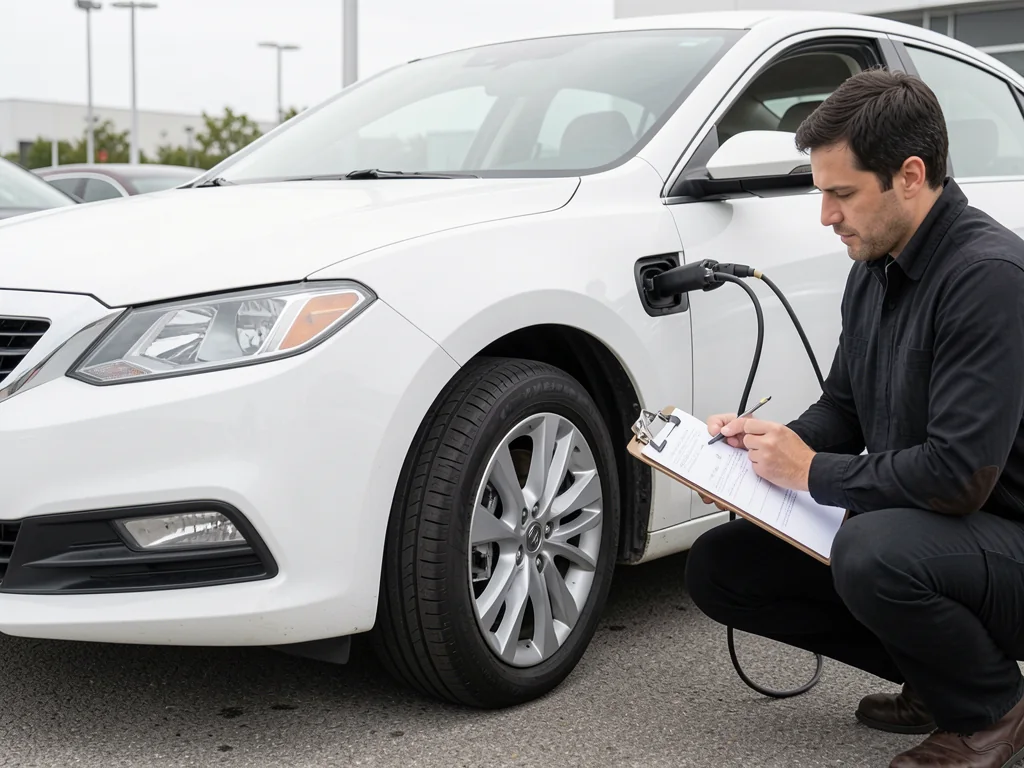
When a leased vehicle reaches the end of its term, the driver returns it to the leasing company, and that car often reappears on a dealer lot as a used car for sale. Buying a used car that was leased can be a smart way to get a relatively recent model, but it pays to understand how lease returns are inspected, repaired, and resold. Looking closely at mileage, wear, and service records helps you separate a well-maintained off-lease car from one that was simply turned in with minimal care.
What It Means When a Used Car Was Previously Leased
An off-lease vehicle is a car that was driven under a lease agreement and then returned to the leasing company when the term ended. The driver never owned it; instead, they made monthly payments for the right to use it. After return, the leasing company typically sells the car to a dealer, sends it to auction, or offers it through a certified pre-owned program. From there, it reaches the used market and can be bought by a private buyer.
Because the previous driver did not hold the title, their attitude toward care can vary widely. Some lessees treat the car gently to avoid end-of-lease charges, while others drive hard or skip maintenance knowing they will turn it in soon. To confirm a car's lease history, ask the seller directly and review the ownership section of a vehicle history report. The report may show the leasing company as the previous owner, which is a clear signal.
Is Buying a Used Leased Car a Good Idea? Potential Upsides and Risks
A used leased car can offer real advantages. For example, lease terms often run two to four years, so the vehicle is usually newer, and many drivers have maintenance included or encourage dealer servicing to avoid penalties. The car also has a known return date, which helps you verify its age and usage. However, these are possibilities, not guarantees. A lessee may have performed only the minimum required service, deferred repairs near the end, or had cosmetic damage fixed as cheaply as possible before resale.
Whether buying a used leased car is a good idea depends on the specific vehicle's condition and supporting paperwork, not on its lease history alone. Some off-lease cars are excellent values, while others carry hidden neglect. You should judge each one on its own evidence: inspect the body, check the service records, and compare the odometer with the wear you see. A lease return is not automatically better or worse than any other used car; the details matter most.
Checking Mileage on a Used Lease Car
Lease contracts commonly include a mileage allowance, often stated as a certain number of miles per year. Many lessees stay within that limit to avoid excess mileage charges, so returned cars frequently have moderate mileage for their age. But some drivers go over the allowance and simply pay the fee when they return the car. As a result, you cannot assume an off-lease car has low miles. Always check the odometer reading against the vehicle's age and the entries in the service history.
Beyond the numbers, look for wear that matches the mileage. A car with 40,000 miles should not have heavily worn pedals, a shiny steering wheel, collapsed seat bolsters, or bald tires. If the interior or mechanical parts look older than the odometer suggests, ask more questions or consider a professional inspection. Keep in mind that low mileage does not guarantee good condition. Short trips and long periods of sitting can cause their own problems, such as battery drain, dry seals, and rust.
How Lease Wear Standards Affect the Car You're Buying
When a lease ends, the leasing company sends an inspector to check the car against its wear-and-tear standards. Damage beyond the allowed limits means the lessee pays a fee. Some lessees repair that damage before returning the car to avoid charges, but the quality of those repairs can vary. Watch for uneven panel gaps, mismatched paint, or overspray on trim and rubber seals. These can indicate a cheap fix that may not last or that hides deeper damage.
Common cosmetic areas on lease returns include wheels with curb rash, windshield chips, stained or torn interior surfaces, and scuffed bumpers. Inspect these spots carefully. Even if the damage is within the leasing company's allowed limits, it still reduces the car's value and gives you a reasonable point for price negotiation. A few minor flaws are normal on a used car, but several signs of quick repairs should make you more cautious about the vehicle's overall history.
Reviewing Service History and Maintenance Records
Service history is especially important on a leased car because it shows whether the previous driver kept up with routine maintenance, such as oil changes and tire rotations. The presence of complete records suggests the car was cared for, while missing or thin records may mean maintenance was skipped. However, do not assume any particular service schedule; instead, compare the recorded work with the manufacturer's recommendations for that model and year, if available.
Ask the dealer or seller for maintenance records and check the vehicle history report for logged service visits and gaps. Use the VIN to look up open recalls and warranty work through official manufacturer or government recall databases, rather than relying on the seller's word. If records are missing, treat that as a warning sign. It may simply mean the work was done at an independent shop that did not report it, but it could also indicate neglected maintenance. Factor that uncertainty into your confidence and your offer.
Pre-Purchase Inspection and Test Drive for an Off-Lease Vehicle
An independent pre-purchase inspection is a sound step for any used car, but it is especially valuable for a leased vehicle, where the owner may have had little incentive to address mechanical issues. A qualified technician can spot problems that are not obvious on a test drive. During your own test drive, pay attention to warning lights, strange noises, vibration, pulling to one side, and how the brakes feel. These observations can guide the inspector, but they are not a substitute for professional evaluation.
Your own inspection has limits; hidden electrical faults, engine trouble, or suspension wear may not show up in a short drive. Also check the tires: uneven tread depth or mismatched brands across axles can indicate cost-cutting before the car was returned. A lessee may have installed the cheapest tires to pass the end-of-lease inspection, leaving you with poor grip or early replacement costs. Professional testing can help you avoid buying a car with expensive hidden problems.
Paperwork, Warranty Coverage and Final Buying Checks
Before finalizing a purchase, confirm whether any factory warranty coverage is still active and can transfer to you as the new owner. Contact the manufacturer or a dealer with the specific VIN to check the original warranty status. Do not assume coverage exists just because the car is relatively new; warranty terms vary by brand and can be voided by certain conditions. Also verify that the title and ownership documents show a clear transfer out of the leasing company's name, so there are no lingering liens.
If the car is offered as certified pre-owned, read the program terms carefully. Certification usually adds an inspection and extended warranty, but the coverage is not the same as the original factory warranty and may have exclusions. A final checklist before you buy should include: a clean vehicle history report, a complete set of maintenance records, satisfactory results from the pre-purchase inspection, confirmation of warranty status, and a purchase price based on the car's actual condition. With these steps, a leased car can be a solid buy.