Buying a Former Rental or Fleet Car: Benefits, Risks, and Checks
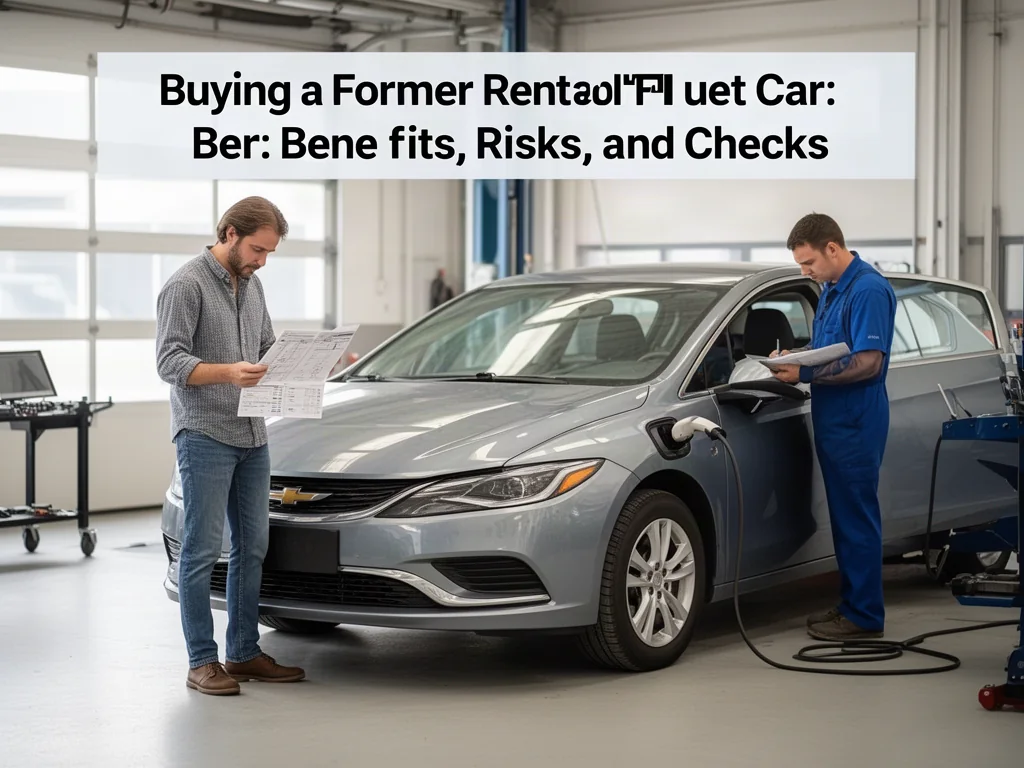
Buying a car used as a rental or buying a used fleet car is neither automatically a bargain nor a mistake. Former rental and fleet vehicles can be practical used-car choices when documented rental history, inspected condition, purchase terms, and total cost match what you need. Whether you buy from a rental-company resale program or a dealership, the same records, inspection, title, warranty, and return-policy checks decide if the purchase is a good idea.
When a Former Rental Car Can Be a Sensible Purchase
Whether buying a used rental car is a good idea depends on the specific vehicle, not the rental label. A former rental can be worth buying when its documented history, an independent inspection, written purchase terms, and out-the-door cost fit your needs. Some rental-company resale programs and dealers provide maintenance records and a structured sales process, which can make comparison shopping easier. Those advantages are not guaranteed, so treat them as items to verify rather than as reasons to skip due diligence.
The drawbacks of buying a used car that was a rental include many different drivers, cosmetic wear, incomplete maintenance records, and uncertainty about past use. High turnover and mixed driving styles can leave interior scuffs, extra key-fob wear, or uneven tire wear without proving mechanical abuse. Missing paperwork and unknown trip patterns leave reliability questions unanswered. Rental status alone cannot establish whether a particular car was abused, maintained properly, or will be reliable, so inspected condition and records must carry the decision.
Establish What the Car's Rental or Fleet History Actually Means
Buying a used fleet car starts with clarifying what fleet ownership actually covered. The same label can describe a rental fleet, a company-assigned car driven by one employee, or a pool vehicle shared among many drivers. Those uses produce different wear patterns even at similar mileage. Ask who operated the vehicle, what work it performed, where it was used, and whether the seller can substantiate those details with rental history notes, assignment logs, or service invoices rather than a one-word fleet designation.
Mileage and model year do not reveal idling time, short-trip versus highway patterns, driver behavior, or maintenance quality. A used fleet car with modest miles can still have spent hours running in parking lots, while a higher-mileage example may have mostly highway service and regular oil changes. Request written confirmation of known prior use, including rental versus corporate assignment if the seller claims it. Ownership records and a vehicle history report can still leave gaps, so treat unconfirmed stories as unknowns rather than as proof of gentle service.
Check Records for Maintenance Gaps, Damage, and Title Problems
Before buying a used rental car from a dealership or a rental company, match the VIN on the vehicle to the title, vehicle history report, maintenance records, and sales paperwork. Review dated service entries and odometer readings for continuity so you can see whether oil changes, brake work, and other scheduled services actually appear on this car. A fleet maintenance policy is not proof that work was performed on the specific vehicle in front of you. Gaps, clustered repairs, or sudden jumps in recorded mileage deserve an explanation in writing.
Check available records for reported damage, title brands, odometer inconsistencies, and unresolved ownership or lien issues. A clean-looking history report can still omit unreported collisions, cash repairs, or work done outside the fleet network. When records or physical condition raise questions, ask for supporting repair invoices, parts lists, and photos rather than relying on a verbal summary. Title brands, salvage notations, or open liens should pause the deal until the legal seller can document a clear, transferable title that matches the VIN.
Inspect Wear and Arrange an Independent Mechanical Assessment
Walk the car in good light and note seats, pedals, steering-wheel wear, cargo-area scuffs, panel alignment, glass chips, tire tread and date codes, and any visible fluid spots. Those observations help you judge how a used car that was a rental was treated, but cosmetic wear is not proof of abuse and a tidy interior is not proof of gentle use. Multiple renters often leave extra seat-track wear or key-fob damage while the powertrain remains sound, so treat appearance as one clue among many.
During a permitted test drive, note warning lights, unusual noises, braking behavior, steering feel, and climate-control operation, and stop if the car feels unsafe. Then require an independent inspection that assesses mechanical condition, signs of prior repairs, and potential near-term maintenance needs rather than relying on a seller walkaround. Cosmetic reconditioning and an in-house inspection do not establish remaining component life. Buying a used car from a rental company still needs that third-party assessment so you are not paying for hidden wear that a fresh detail can hide.
Understand Rental-Company Resale Programs and Dealer Sales
Buying a used car from a rental company through a rental-company resale program usually means selecting a specific vehicle, reviewing its records, confirming inspection and test-drive access, and obtaining written purchase terms before you pay. Pricing structures, reservations, trial periods, return policy details, and warranty coverage vary by program and by location, so verify the actual offer rather than assuming a national brochure applies. Those features can make buying a used rental car from the operator more transparent, but only if the paperwork matches what the salesperson described.
Whether buying a used car from Enterprise is a good idea, or buying a used car from Hertz is a good idea, turns on these same checks rather than brand reputation. Confirm the vehicle, records, inspection access, title status, warranty coverage, and return policy for that sale. When buying a used rental car from a dealership, identify the legal seller and confirm whose inspection, warranty, and return terms apply. Prior rental-company ownership does not carry over as ongoing benefits unless the current contract says so.
Set Purchase Conditions Before Paying or Signing
Obtain an itemized out-the-door cost showing taxes, fees, optional products, and any financing charges before you agree to buy. Add independent inspection findings, immediate maintenance needs, insurance, and financing obligations into the ownership budget so a low advertised price does not hide the true cost of buying a used rental car. Do not treat a monthly payment quote as the full picture. Optional add-ons such as paint protection or extra coverage should appear as separate lines you can decline, not as bundled items that only surface at signing.
Read warranty eligibility, exclusions, deductibles, and any return-policy deadlines or mileage limits, and have promised repairs documented in writing. Buying a used rental car is a bad idea when the seller denies an independent inspection, cannot explain record inconsistencies, leaves title status unresolved, or pressures you to sign before you review terms. Those conditions are reasons to pause or walk away. A clear title, matching VIN paperwork, and time to read the contract matter more than closing the deal the same day.