Buying a Used Police Car or Company Fleet Vehicle
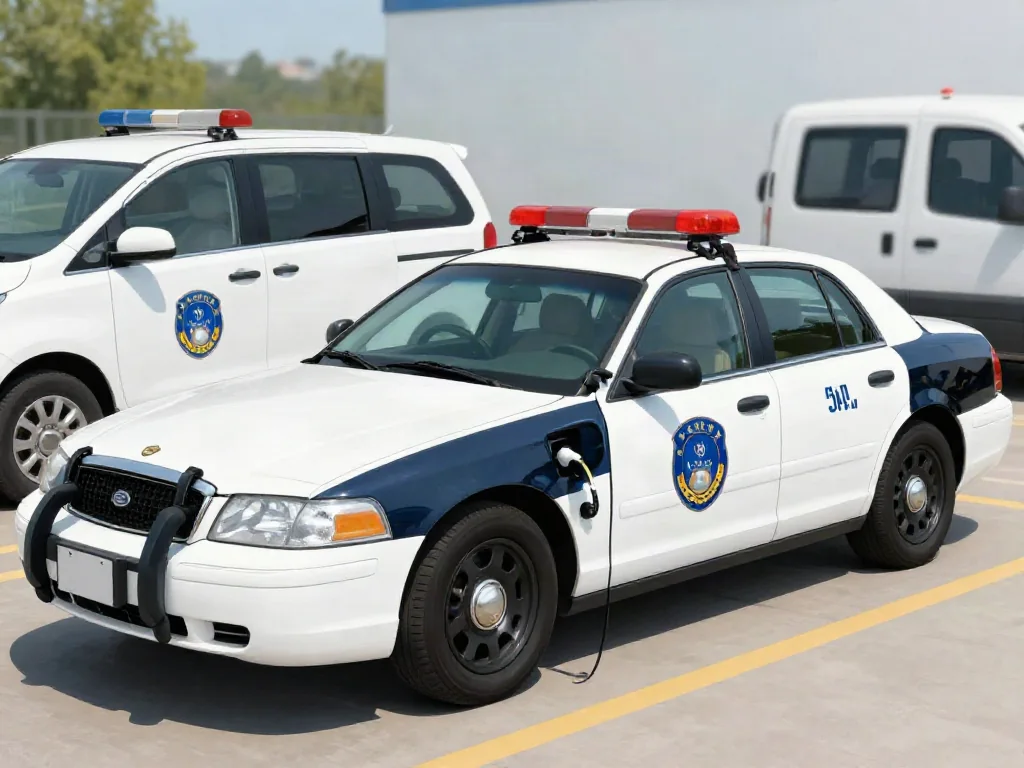
Buying a used cop car or retired company fleet vehicle can mean low purchase prices and heavy-duty hardware, but it also brings unique wear. Patrol cars often spend thousands of hours idling and accelerating hard, while fleet sedans may have logged high annual miles with multiple drivers. Purchase decisions should rest on documented duty history, service logs, and a careful inspection of equipment removal. Auction access may be limited, so knowing how to evaluate records, spot modifications, and budget for repairs protects you from a seductive discount.
Establish How the Police Vehicle Was Used
The first step with a decommissioned police vehicle is learning how the department actually deployed it. A patrol cruiser typically accrues far more engine idle hours and stop-and-go stress than a supervisor's take-home administrative car or a detective transport unit. Ask the seller or auction house for the vehicle's duty history, not just a photo. A pristine exterior can hide a punishing patrol life, while a dented transport van might have mechanically gentle highway miles.
Review odometer mileage together with engine-hour or idle-hour readings if available, but avoid converting idle time into a made-up mileage equivalent. A car showing 70,000 road miles but 6,000 engine hours has idled far more than a 120,000-mile highway commuter. Visible evidence such as worn driver's seat bolsters or frequent door hinge looseness suggests heavy use, yet it cannot confirm mechanical condition. Verify the exact powertrain through the VIN because not every Interceptor or Pursuit package is identical.
Trace a Company Car’s Assignment and Service History
For a former company car, identify the operational context before assuming its history. A single assigned employee usually treats a vehicle better than a shared pool car, which may suffer neglect between drivers. Field service or delivery routes impose repeated short trips, cold starts, and cargo strain. Ask whether the vehicle was assigned to one person, rotated among staff, or used for courier work, as this shapes expected wear on the transmission, brakes, and interior.
Even with fleet ownership, maintenance quality varies widely. Demand dated service logs that reference the VIN and include mileage at each visit. Repair invoices should match those entries and reveal recurring complaints such as repeated electrical faults or misfire repairs. A gap of 18,000 miles between oil changes or an unresolved recommendation for a timing chain warns of deferred upkeep. Fleet paperwork proves the car was scheduled for service but not that every interval was actually completed.
Inspect Equipment Removal and Interior Alterations
Police vehicles undergo extensive equipment removal before auction: lights, radios, partitions, cages, and computers are stripped out, often hastily. Look for drilled holes in the roof, trunk, and dashboard, missing trim panels, and torn rubber grommets. Water can enter through abandoned antenna mounts, causing hidden corrosion or electrical issues. Check the rear doors and locks because prisoner partitions may have disabled inside handles or window controls that were never restored.
A qualified technician should inspect all exposed wiring, extra switches, and warning lights left behind. Former upfitter wiring for sirens and radios may tap into the body control module or battery. Do not probe cut wires or reconnect abandoned connectors yourself; a short can disable the vehicle. Confirm that seat belts, airbag warning indicators, and occupancy sensors operate normally. Alterations near the B-pillars or seats could point to removed prisoner cages or aftermarket restraints.
Arrange a Mechanical Inspection and Safe Test Drive
An independent prepurchase inspection is non-negotiable for any ex-fleet purchase. The technician should check for coolant leaks at the water pump and hoses, transmission fluid condition, brake pad and rotor thickness, suspension bushings, tire wear patterns, and underbody rust. A collision repair history often shows up as overspray, mismatched panel gaps, or replaced structural bolts. Pay special attention to the cooling system: extended idling stresses radiators and electric fans.
Before driving, turn the key to the run position and note dashboard warning lamp behavior; some sellers may have disabled bulbs. Start the engine from cold and listen for timing chain rattle or rough idle. During a permitted test drive, evaluate steering pull, brake pulsation, shift timing, and any whine from the differential. Run the climate control on hot and cold settings. A stable drive without warning lights does not rule out pending failures, so ask a shop to scan for stored diagnostic trouble codes and monitor live data.
Verify Sale Terms, Ownership Documents, and Road Use
At auction, all sales are typically final, so terms matter. Read the conditions for inspection windows, test-drive restrictions, buyer's premiums, payment deadlines, and how you must remove the vehicle. Some police auctions allow only a walk-around inspection, meaning you must factor unknown mechanical risk into your bid. If a dealer sells a retired fleet car, ask whether any implied warranty exists and get all promises in writing.
Verify the VIN stamped on the dash, door jamb, and title match exactly. Clarify any title brands such as 'rebuilt,' 'flood,' or 'salvage,' which can affect financing and insurance. Depending on your state, you may need to remove light bars, paint over police markings, or pass an equipment inspection before registering. Arrange insurance for the specific vehicle before pickup and budget for towing if the car cannot be legally driven home.
Decide Whether the Vehicle Fits Your Needs and Budget
Decide based on documented history, inspection findings, and your actual budget. A $4,000 patrol car with bad cam phasers and worn suspension may need $5,000 in immediate work, exceeding a cleaner $7,000 private sale. Make a written list of required repairs from the inspection report, then get estimates for each. Include purchase fees, taxes, registration, and restoration of missing interior panels or door hardware. Be certain you can absorb another surprise failure because high-idle engines and heavily cycled electrical systems often cascade.
When a seller refuses inspection, leaves cut wiring exposed, hides ownership documents, or cannot explain warning lights, pause the purchase. Unexplained engine-hour discrepancies or a reassigned VIN plate are red flags. A well-maintained ex-fleet car with complete records and a clean mechanical report can be a bargain, but no discount justifies hidden structural or safety problems. Leave if the deal pressures you to skip verification steps; a disciplined buyer will find a better unit from a transparent seller.