Pros and Cons of Buying a Used Car: Is It Worth It?
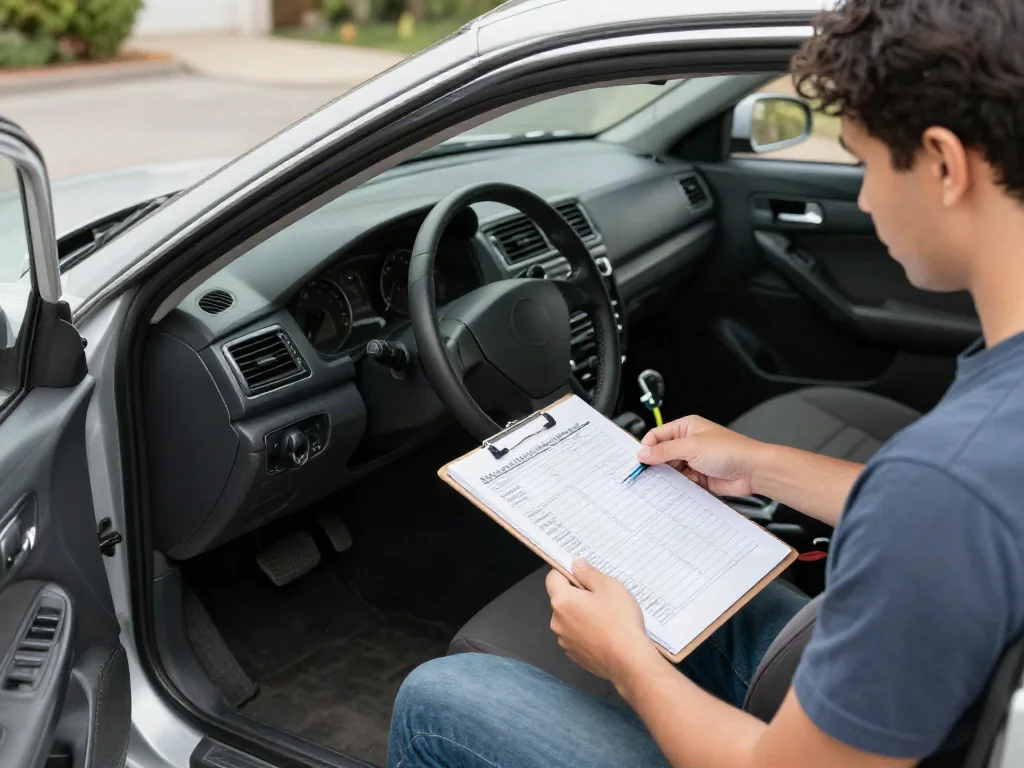
Buying a used car can be a smart way to get reliable transportation without paying for the steepest early value loss, but the advantages and disadvantages of buying a used car depend on the specific vehicle, the sale terms, and how you will use it. Weighing the pros and cons of buying a used car means looking past the sticker and asking whether the total ownership cost, remaining useful life, and repair risk fit your budget.
The Main Benefits and Risks of Buying Used
The main benefit of buying a used car is that a lower purchase price can still meet daily transportation needs, especially when some depreciation has already been absorbed by the first owner. That price advantage can leave room for useful equipment that might otherwise sit outside a defined budget, such as a preferred body style or convenience features already installed. Whether that is an advantage of buying a used car still depends on the individual vehicle, the contract, and how well the car matches intended use.
The cons of buying a used car typically start with incomplete maintenance records, unknown wear, and limited warranty protection, which together raise repair exposure after the sale. Equipment limitations can also matter if safety systems, connectivity, or convenience features do not match how you actually drive. The pros and cons for buying a used car therefore turn on affordability, documented condition, intended use, and your tolerance for unexpected expenses rather than on a blanket claim that used is always better.
Purchase Price and Depreciation Can Support the Budget
Among the pros to buying a used car, a suitable purchase price only helps if it still leaves cash for taxes, registration, immediate maintenance, and a repair reserve. That is a practical advantage of buying a used car: the out-the-door figure can stay inside a spending limit while covering the first round of fluids, tires, and other wear items. Treating a low asking price as proof of value misses those follow-on costs and can erase the budget benefit quickly.
Some of the benefits of buying a used car come from depreciation already taken by a previous owner, which can make a desired body style or equipment package reachable within the same spending limit. Future value loss still remains uncertain, so that benefit of buying a used car is a smaller entry cost, not a promise of strong resale. Availability and condition still govern the deal, which is why the advantages to buying a used car are vehicle-specific rather than a universal reason used cars are better.
Insurance, Financing, and Running Costs Shape Affordability
Affordability is not settled by the sale price. A complete ownership budget should include the out-the-door figure, loan interest, insurance premiums, fuel or charging, scheduled maintenance, and unplanned repairs. Insurance cost depends on the vehicle, the driver, location, coverage choices, and deductible, so buying used does not guarantee a low premium. One disadvantage of buying a used car is that older or higher-mileage examples can still price insurance and repairs in ways that cancel an attractive monthly payment.
A monthly payment also cannot prove the purchase is smart, because loan term, APR, and fees change the total paid over time. Longer terms can hide a high total ownership cost even when the car itself looks inexpensive. Before committing, obtain a vehicle-specific insurance quote and set aside a repair reserve for maintenance and unexpected work. Those steps answer whether buying a used car is a good idea for your cash flow, not just whether the payment fits this month.
Condition and Maintenance History Drive Repair Risk
Repair risk is a central disadvantage of buying a used car when maintenance was neglected, wear is advanced, or damage is hidden. Incomplete records make remaining useful life harder to judge, because you cannot see how fluids, brakes, and other wear items were treated. Service records, title information, and a vehicle history report can reveal accidents, odometer issues, or prior use, yet they have gaps. Missing paperwork is itself a warning, not proof that the car is sound or that it is not.
An independent prepurchase inspection is one of the most useful protections among the pros for buying a used car, because a qualified technician can identify leaks, uneven tire wear, corrosion, and other concerns before money changes hands. The inspection still cannot guarantee future reliability. During an appropriate test drive, note warning lights, unusual odors, visible leaks, and abnormal behavior, then treat unresolved findings as a reason to pause. A fault indication is evidence to interpret, not proof a part has failed, and diagnosis belongs with a technician.
Warranty Coverage and Technology Need Individual Verification
A used vehicle may still carry remaining manufacturer coverage, a separate warranty, or an as-is sale, depending on the transaction and applicable law. That mix is both a pro and a con of buying a used car: some protection may remain, yet warranty exclusions, deductibles, and claim procedures can leave major systems uncovered. Read the written terms, confirm transferability, and do not rely on verbal assurances. Protection that cannot be documented should not be treated as part of the deal.
Certification labels and service contracts also have specific terms that buyers should read rather than assume. Confirm the exact vehicle's safety equipment, phone connectivity, software support, and feature operation instead of inferring equipment from age or model name. Missing or unsupported technology is a real disadvantage of buying a used car when those features matter to daily use. Verifying what actually works helps explain why buying a used car is better for a particular household, not as a general rule for every shopper.
Environmental Value Depends on Remaining Life and Use
Keeping a usable vehicle in service can extend the utility of materials and manufacturing resources already invested in it, which is why some shoppers ask whether buying a used car is more environmentally friendly. The environmental case depends on remaining useful life, annual mileage, fuel or energy consumption, and lifecycle emissions, not on the used label alone. Manufacturing impacts are distinct from ongoing operation, so a short remaining life or inefficient use can weaken the argument even when the purchase price looks attractive.
It is not accurate to assume every used purchase delivers an environmental benefit. A vehicle that needs constant repair, sits underused, or burns more energy than your actual trips require may offset the manufacturing savings. Selecting a car suited to real transportation needs and maintaining it properly supports both remaining useful life and lower operating impact. That is a conditional benefit of buying a used car, not a universal emissions saving, and it belongs in the same ownership plan as cost and reliability.
When Buying a Used Car Is Worth It
Buying a used car is worth it when the vehicle meets practical needs, the inspection outcome is acceptable, and the full ownership budget still works after insurance, loan interest, and a repair reserve. An ordinary personal car generally provides transportation value while depreciating, so financial sense does not require the purchase to be a good investment in the appreciation sense. Asking whether it is worth buying a used car is really asking whether remaining useful life and total ownership cost line up with how long you will keep it.
Pause or walk away when vehicle history has unexplained gaps, the seller refuses an independent inspection, sale terms are unclear, or you have no capacity to absorb repairs. Those are the practical cons of buying a used car that no attractive price can offset. Before you commit, confirm condition, maintenance records, insurance, financing, warranty terms, expected ownership period, and a funded repair reserve. If those pieces hold, buying a used car can be a good idea; if they do not, waiting is the smarter move.