iNeedaPPI Mobile Car Inspector Reviews: What to Check Before You Book
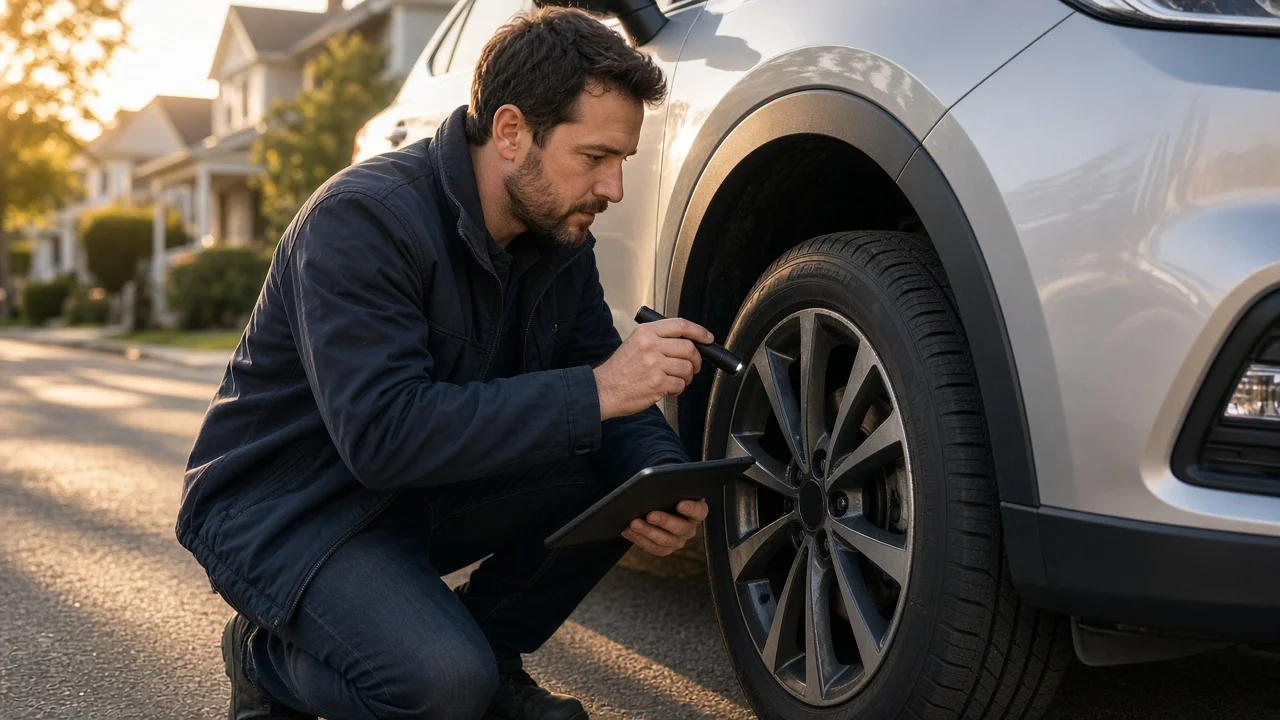
If you are searching for iNeedaPPI mobile car inspector reviews, you probably have a used car in mind and want to know whether booking a mobile pre-purchase inspection (PPI) through this service is worth it. This guide can't give you a verified rating, review count, price, or turnaround time for iNeedaPPI. None of those were confirmed for this article, and they change over time. What it can do is show you how to judge the reviews you find, what a good mobile inspection should include, and which conditions decide whether the service suits your purchase.
The Short Answer
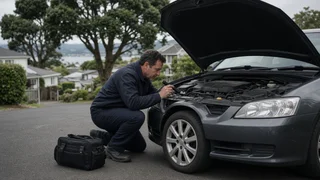
iNeedaPPI is known as a US service that arranges mobile pre-purchase inspections. An inspector goes to the vehicle at a dealer lot, a private seller's driveway, or another location and reports on its condition before you buy. Reviews of any service like this are only useful if they tell you three things: how thorough the report was, how quickly and reliably the inspector showed up, and how well the findings matched the car's real condition. The answer depends heavily on location. With a network or marketplace model, the experience in one city may come from a different inspector than in another, so recent reviews from your area count more than an overall score.
What a Mobile Pre-Purchase Inspection Is, and What It Is Not
A pre-purchase inspection is an independent check of a used vehicle's condition, done for the buyer before money changes hands. Its job is to find problems the seller didn't mention or may not know about, such as leaks, worn suspension parts, signs of accident repair, warning lights, or tire and brake wear. That information helps you decide whether to buy, negotiate, or walk away.
A PPI is not a state safety inspection or an emissions test. Those official inspections follow inspection criteria set by the state, and in many cases they produce a pass or fail result. Where a state requires it, they also produce a test certificate or sticker that you may need in order to register the car. A failed official inspection usually leads to repairs and a retest. A private mobile PPI does none of that. It gives you a condition report, not a legal certificate. If the car needs a current safety or emissions pass in your state, confirm that separately with the seller or your state's motor vehicle agency.
How to Read iNeedaPPI Reviews Usefully
Star ratings alone say little about inspection quality. A buyer who was happy because the car passed may never learn what the inspector missed. A buyer who was unhappy because the car failed may still have received an excellent report. Focus on the substance of each review instead.
Report detail: Do reviewers mention photos, specific findings, and clear explanations, or only a generic checklist? Accuracy over time: The most valuable reviews come from buyers who later had the car checked by a mechanic or lived with it for a while and say whether the report held up. Scheduling and communication: Look for comments on how quickly an appointment was set, whether the inspector arrived as promised, and whether the buyer could ask follow-up questions. Local relevance: Prefer reviews that mention your city or region, since the inspector assigned to you may differ from those in other reviews. How complaints were handled: Note whether the company responded to problems, such as a missed appointment or a disputed finding, and how. Recency: Recent reviews reflect the current inspector network and process better than older ones.
Be cautious with clusters of very short, similar reviews posted close together, whether positive or negative. Compare what you see across more than one review platform rather than relying on a single site.
What a Good Mobile Inspection Should Cover
Before booking, ask what the inspection includes and compare the answer with the checklist below. Exact scope varies by provider and package, so confirm it rather than assuming.
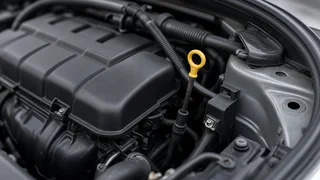
Area | What to expect | Why it matters; Vehicle identification | VIN checked on the dashboard, door jamb, and title or paperwork, so they all match | Confirms you are inspecting and buying the car the seller describes; Exterior and body | Panel gaps, paint mismatch, rust, signs of collision repair | Points to past accidents or hidden damage; Under the hood | Fluid levels and condition, leaks, belts, hoses, battery | Catches maintenance neglect and costly repairs; Underside | Suspension, exhaust, frame, leaks, rust | Areas sellers rarely show and buyers rarely see; Tires and brakes | Tread depth, uneven wear, brake condition as far as visible | Indicates near-term costs and possible alignment issues; Diagnostic scan | Stored or pending trouble codes from the onboard computer | Can reveal problems even when no warning light is on; Interior and electronics | Controls, climate system, windows, infotainment, warning lights | Small faults add up and can hint at water or electrical issues; Road test | Engine, transmission, steering, braking, and noises while driving, if the seller permits | Many drivetrain problems only show up in motion; Report | Written findings with photos and clear notes on severity | Lets you negotiate or decide with evidence
Questions to Ask Before You Book
Who will perform the inspection in my area, and what is their background or certification? What exactly is included, and are there different inspection levels? Is a diagnostic scan included? Is a road test included, and what happens if the seller won't allow one? How soon can the inspection happen, and how is the seller contacted to arrange access? How and when will I receive the report, and will it include photos? Can I talk to the inspector afterward about the findings? What is the policy if the inspector can't reach the car or the seller cancels? What is the total cost, including any travel or extra fees, and what is the refund policy?
When a Mobile Inspection Makes the Most Sense
A mobile inspector is most useful when you are buying from a distance, for example a car listed in another city or state, or when the seller won't let you take the car to a shop. It also fits well when you are comparing several cars and want a consistent, independent view before you travel or commit.
A mobile inspection has limits compared with a shop. Without a vehicle lift, the underside check is usually less complete. Some tests, such as compression testing or a detailed transmission inspection, may not be practical on the spot. For high-value, specialty, or high-performance vehicles, a shop that knows that make, sometimes combined with a mobile check, may be the better choice. Whatever provider you use, a PPI lowers your risk but doesn't eliminate it. Pair it with a vehicle history report and a review of the service records.
Choosing Your Next Step
If recent reviews from your area describe detailed, photo-backed reports, punctual inspectors, and findings that held up after purchase, iNeedaPPI is a reasonable option to shortlist. If reviews are sparse for your region or mention vague reports, compare at least one local independent mechanic or another mobile inspection provider using the same checklist and questions above. Choose based on confirmed inspection scope, inspector qualifications, and total cost. Don't choose on rating alone. Separately, make sure any state-required safety inspection or emissions test is handled before registration.