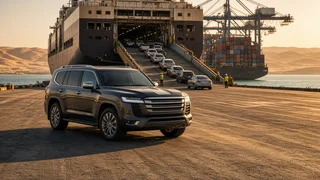
Importing a Car from Dubai to Saudi Arabia: What to Know Before You Start

The Short Answer
Bringing a car from Dubai into Saudi Arabia is generally possible, but it is not automatic. The vehicle has to be formally exported from the UAE and then cleared through Saudi customs, and it must meet Saudi import conditions for vehicle type, condition, age and technical standards. Whether a particular car qualifies depends mainly on its specification, its history and its documents, so the answer for any individual vehicle can change once those details are checked.
This guide gives a general overview of the process and the factors that most affect the outcome. No current fees, duty rates, age limits, processing times or official contact details were available for this article. Because these rules are set by government authorities and can change, treat this as orientation and confirm current requirements with Saudi customs authorities or a licensed customs broker before buying or shipping a vehicle.
What the Process Covers
Importing a car from Dubai to Saudi Arabia involves two separate administrative stages that are handled by different countries. Problems in either stage can stop the import, so it helps to see them as distinct steps.
Stage | Where it happens | What it generally involves; Export | UAE (Dubai) | Clearing any outstanding fines or finance, deregistering the car from UAE use, and obtaining export documentation and export plates or permits; Transport | Between the two countries | Driving the car across a land border or shipping it by sea or road carrier; Import clearance | Saudi Arabia | Customs declaration, document checks, payment of applicable duties and VAT, and confirmation that the car meets Saudi standards; Registration | Saudi Arabia | Inspection, insurance and local registration so the car can be legally driven
Conditions That Materially Change the Answer
Several factors decide whether a car can be imported at all, or whether it will face extra cost and delay. These are the points to check first, ideally before purchase.
Vehicle specification: cars built to GCC specifications (the regional standard used across Gulf Cooperation Council countries, covering items such as cooling capacity and certain safety and emissions requirements) are generally the simplest to import. Vehicles built for other markets, such as US-specification or Japanese-market cars that were later brought into the UAE, may need additional conformity checks or may not be accepted. Steering position: Saudi Arabia drives on the right, and right-hand-drive passenger vehicles are generally not accepted for registration. Confirm this for any non-standard vehicle. Vehicle age: Saudi Arabia applies an age limit to imported used vehicles. The exact limit and how it is calculated were not available for this article and should be confirmed for the specific vehicle category. Accident and title history: vehicles recorded as salvage, total loss or heavily rebuilt can face restrictions. A clean history and matching chassis records reduce risk. Ownership and finance: a car with an active loan or lien in the UAE normally cannot be exported until the finance is cleared and the lender releases it. Personal versus commercial import: importing a single car for personal use is usually handled differently from importing vehicles for resale, which may require a commercial registration or trading licence.
Leaving Dubai: The Export Side
In Dubai, vehicle registration is handled by the Roads and Transport Authority. Before a car can leave the country permanently, the owner generally needs to settle outstanding traffic fines and fees, close any vehicle finance, and complete an export or deregistration procedure. This typically produces an export certificate and temporary export plates or an equivalent permit allowing the car to cross the border or be shipped. The exact steps and fees for the current year were not available for this article.
If a dealer or exporter is handling the sale, they often manage this paperwork, but the buyer should still receive and keep copies of the export certificate, the original registration documents and the purchase invoice, since Saudi customs will rely on them.
Getting the Car There
The two common options are driving the car overland through the UAE–Saudi land border or using a shipping or car-carrier service. Driving can be simpler for a single personal vehicle, but the driver must hold the correct export permits, insurance valid for the journey and documents for border clearance. Professional carriers and freight forwarders can handle transport and often coordinate customs paperwork, which can reduce errors for buyers unfamiliar with the process. No cost or timing figures were available to compare these options.
Entering Saudi Arabia: Customs and Standards
Saudi customs matters fall under the Zakat, Tax and Customs Authority, and product conformity is overseen by the Saudi Standards, Metrology and Quality Organization, commonly known as SASO. At import, the vehicle is declared to customs, its documents and chassis number are checked, and applicable charges are assessed. Saudi Arabia levies value-added tax on imports, and customs duty may also apply.
Because the UAE and Saudi Arabia are both members of the GCC customs union, a vehicle that already cleared customs in the UAE may be treated differently from one arriving directly from outside the region. How duty already paid in the UAE is recognized depends on documentation and the vehicle's origin, and the current rules and rates were not available for this article. This is one of the most important points to confirm in advance, as it can significantly affect the total cost.
Documents Commonly Requested
The exact list depends on the importer's status and the vehicle, but the following are typically involved. Confirm the current list with customs or a licensed broker.
UAE export certificate or deregistration document; Original vehicle registration (ownership) card; Purchase invoice or bill of sale; Importer's identification, such as a Saudi national ID or residency (iqama) for residents; Shipping or transport documents, if a carrier is used; Any conformity or specification documents requested for non-GCC-specification vehicles
After Clearance: Registering the Car
Clearing customs does not by itself make the car road-legal. The vehicle generally needs to pass a technical inspection, be covered by valid Saudi motor insurance and then be registered with the Saudi traffic authorities to receive local plates. Any defects found at inspection would need to be fixed before registration.
Practical Takeaways
Check eligibility before buying: specification, steering position, age and accident history decide whether the import is possible. Prefer GCC-specification, left-hand-drive vehicles with a clean, documented history to reduce the risk of rejection. Clear all UAE fines and finance first, since export is usually blocked until they are settled. Confirm duty, VAT and any credit for UAE duty already paid with Saudi customs or a licensed broker before committing. Keep original documents together and make sure the chassis number matches across all paperwork.
Information Gaps to Resolve
This overview could not confirm current fees, customs duty and VAT rates, the exact used-vehicle age limit, processing times or official office details. These items have the greatest effect on cost and feasibility and can change, so verify them directly with the relevant Saudi and UAE authorities or a licensed customs broker before purchasing or shipping a car.