Saudi Arabia double-parking fine
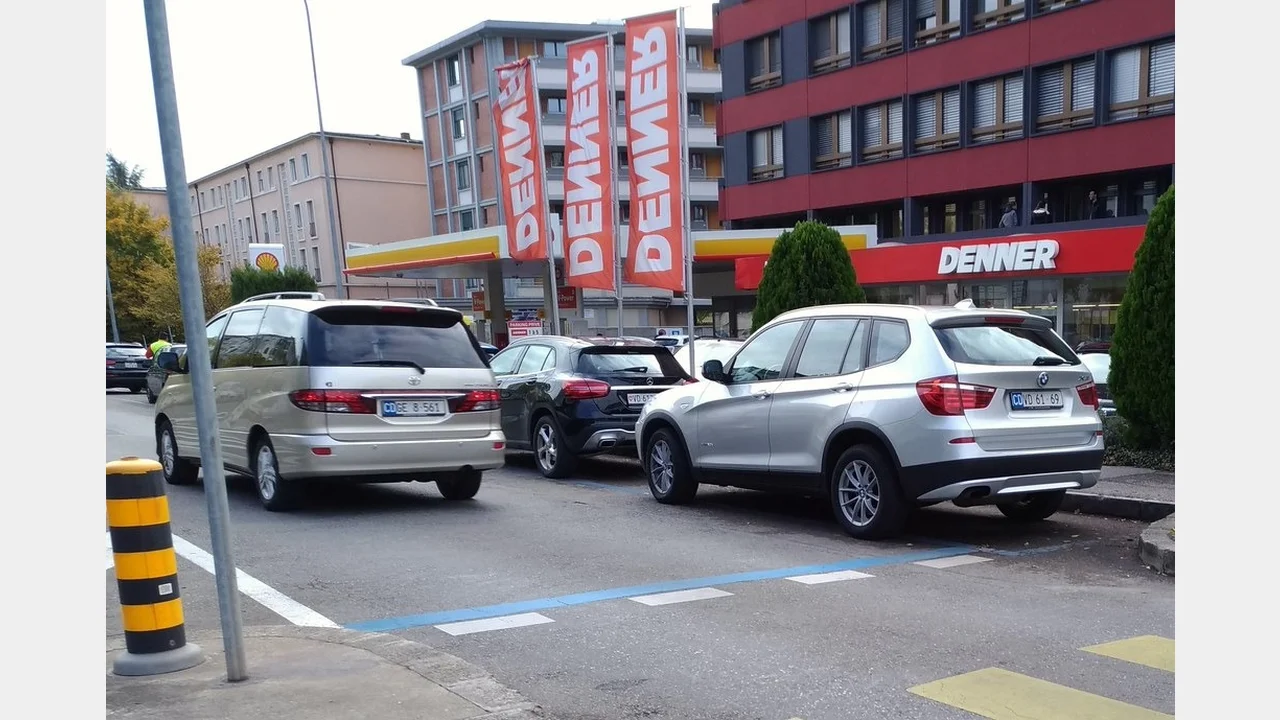
Double parking creates a distinctive traffic obstruction: a vehicle is left alongside another already-parked car, blocking that row or narrowing the travel lane. In Saudi Arabia, drivers searching for the double-parking fine are typically asking whether this maneuver is a specific violation, how it is penalized, and how it differs from ordinary parking restriction enforcement. The exact monetary amount or demerit total cannot be stated without current official confirmation, but the behavior is understood as a serious control issue because it reduces available clearance and maneuvering space. Local rules, posted signs, and vehicle dimensions all influence whether an enforcement officer treats the position as an obstruction.
Essential answer
The essential answer is that double parking is generally treated as a parking violation in Saudi Arabia, although a confirmed fine value is not supplied here. Enforcement focuses on the obstruction the second vehicle creates rather than on a single universal fee. Because local rules can vary by city or enforcement authority, a driver should not assume the penalty is identical everywhere or that the same violation wording appears on every citation.
A practical distinction matters for readers. A car that briefly stops with the driver present may be handled differently from an unattended vehicle left blocking parked cars or reducing a roadway to one narrow lane. Posted signs and curb markings help define the parking restriction, but double parking often violates a broader duty to keep available clearance for moving traffic. Vehicle dimensions also matter: a wide truck or SUV can turn a marginal position into a more dangerous obstruction than a compact car would.
Without official confirmation, drivers should avoid repeating a specific amount as fact. Instead, the useful automotive reasoning is that enforcement officers evaluate whether the second vehicle prevents a parked driver from leaving or forces other motorists into oncoming space. That condition creates the risk of citation, towing, or both, even when no sign expressly says double parking is prohibited.
For a visitor or resident, the next step is to treat the maneuver as avoidable. If no legal space is available, continuing to circulate or using a designated lot is safer than testing local tolerance. Because manufacturer-dependent traffic codes and municipal penalties require vehicle-specific or location-specific confirmation, a driver should check current official local sources before relying on any figure found in general discussion.