Exporting a vehicle from Saudi Arabia
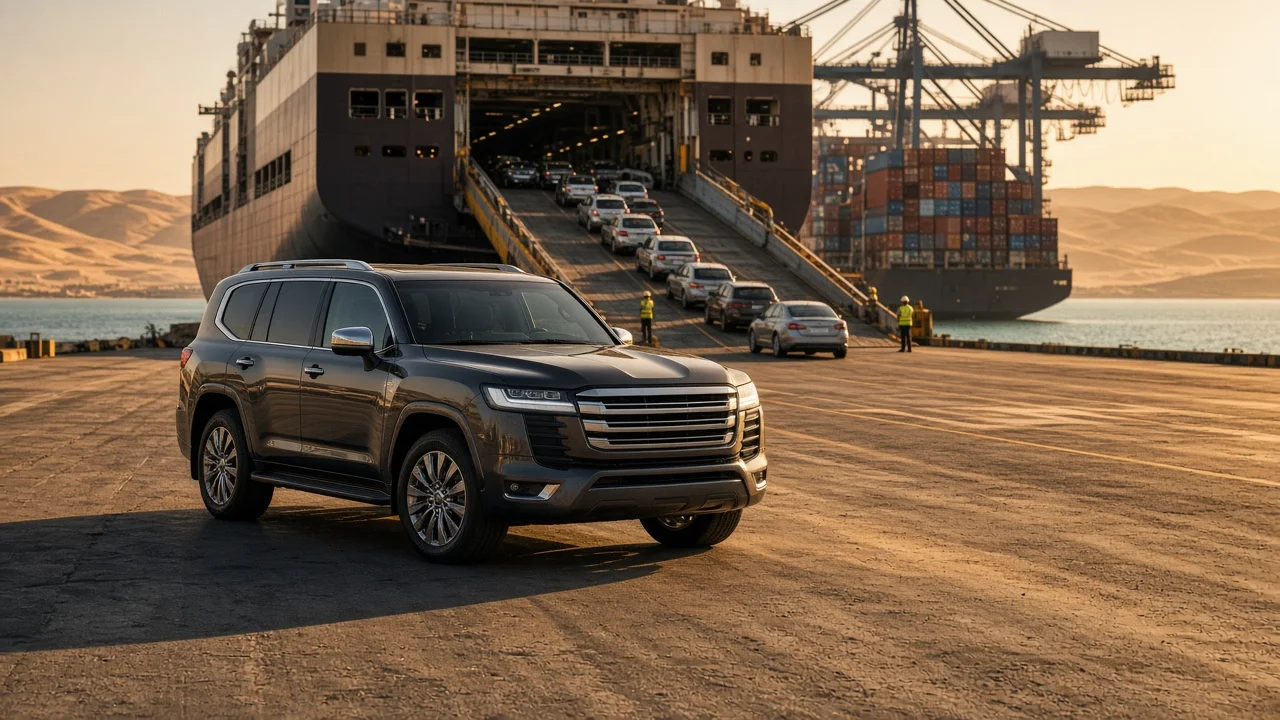
Exporting a vehicle from Saudi Arabia involves moving a car out of the Kingdom through customs, then clearing it for admission in the destination country. For a US buyer or returning resident, the process is not a single transaction but two linked approvals: Saudi exit clearance and American import eligibility, safety standards, and emissions compliance. A vehicle that is common in the Gulf may have a different market specification than a US model. Understanding that split is the practical starting point before paying transport, duties, or port fees, because the destination rules determine whether the export makes sense at all.
Essential answer
The essential answer is that you can export a vehicle from Saudi Arabia, but the harder question is whether that specific car can be legally admitted and registered where you intend to use it. Saudi export clearance confirms ownership, cancels local registration, and releases the vehicle from the Kingdom. US admission is a separate test based on federal import documentation, vehicle eligibility, and conformity with applicable safety standards and emissions compliance. A clean Saudi export does not automatically make a car street-legal in the United States.
The vehicle’s origin and market specification matter more than its physical condition. Many cars sold in Saudi Arabia were built for Gulf climate and fuel conditions, which may affect lighting, engine calibration, labeling, and emission hardware compared with a US-certified equivalent. Before committing to shipping, a buyer should confirm whether the exact vehicle falls under an allowed import pathway or requires modification. Without that confirmation, paying for transport first can turn a promising purchase into storage fees, parts expense, or re-export costs.
Procedure
The practical sequence begins with the Saudi side. The owner typically settles any outstanding traffic fines, obtains an export plate if required, and presents proof of ownership, identification, and the original registration to the relevant customs and traffic authority. The vehicle must be inspected and the registration canceled or marked for permanent export before the port accepts it for loading. Confirm the required export customs clearance documents with the shipping agent early, because a missing stamp or translation can delay the booking and add storage charges.
On the US side, the next step is to verify import documentation before the car arrives. The importer generally needs the foreign title or export certificate, bill of sale, shipping documents, and completed declarations for customs and border protection. The car must meet the applicable safety standards, emissions compliance, and vehicle eligibility rules for its age and origin. Because manufacturer-dependent details vary, a vehicle-specific check with the intended port or a licensed customs broker is the reliable way to avoid assuming that a similar import applies to this car.