Identify 4707 Brake Shoes
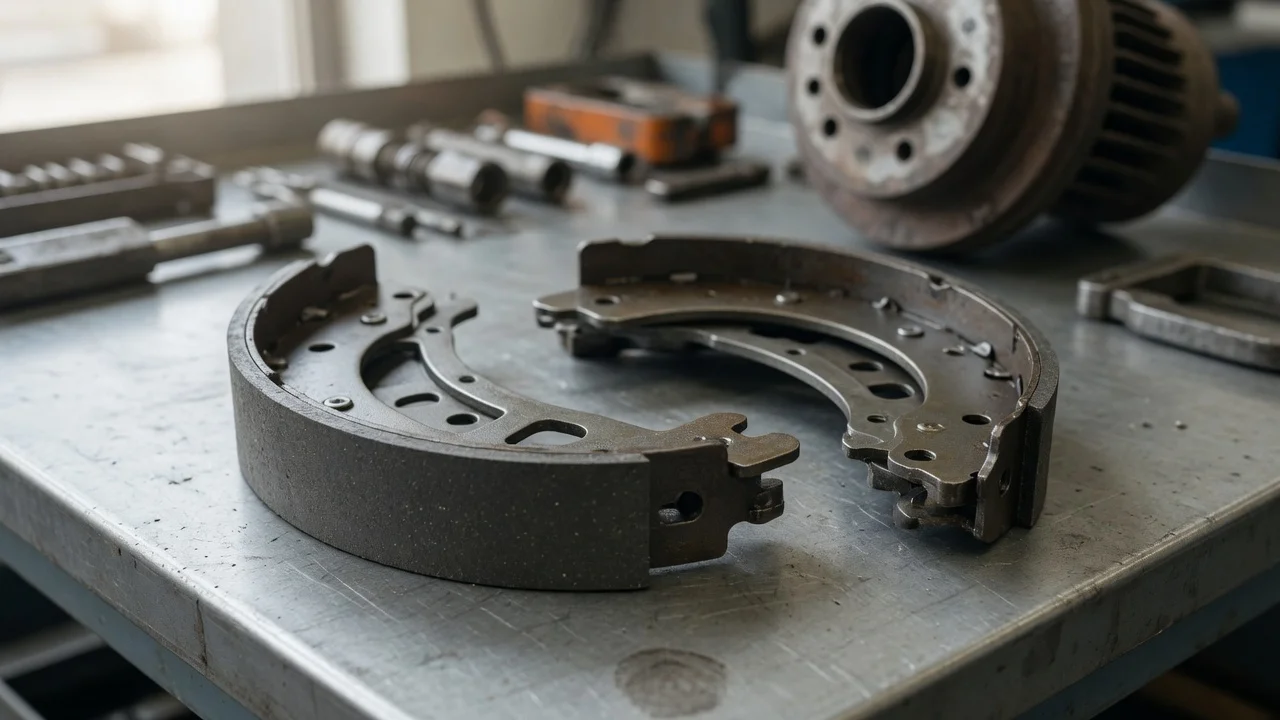
The short answer
"4707" is an industry reference number for a heavy-duty drum brake shoe. It does not name a car-type brake part. In the commercial vehicle aftermarket, the number is widely associated with 16.5 x 7 inch air-actuated drum brake shoes. These are found on many trucks and trailers built around Meritor Q-series and Q Plus style S-cam brakes. The reference system is usually attributed to FMSI (Friction Materials Standards Institute) numbering, and suppliers use it to cross-reference shoes from different manufacturers.
There is one important qualification. No manufacturer catalog or vehicle documentation was supplied for this guide, so the size and brake-family association above is not confirmed here. Several other shoe numbers cover the same 16.5 x 7 inch nominal size but use different shoe geometry. Treat 4707 as a starting point for identification. Confirm it against the brake manufacturer's catalog or the axle documentation for your specific vehicle before ordering.
What the number does and does not tell you
What a 4707 reference generally indicates: the shoe's design family, meaning its overall shape, web layout and how it mounts on the brake spider. What it does not tell you on its own: the lining friction material, the friction rating, whether the shoe is new or relined, or whether a shoe kit includes hardware such as springs, rollers and anchor pins. Suffixes or prefixes added to the number by individual suppliers usually refer to the lining compound or kit contents. Their meaning varies from brand to brand, so check them in that supplier's own catalog.
How to recognize a 4707-type shoe
Identification is most reliable when you combine several checks rather than relying on one marking.
Look for stamped or cast markings. Shoe webs, which are the steel ribs behind the lining table, often carry a part or design number. Lining edges may also carry a printed friction code and sometimes the shoe reference. Clean the area before reading it, because markings can be faint or worn. Measure the brake size. Measure the drum's inside diameter and the width of the lining table across the shoe. A nominal 16.5 x 7 inch brake is the size commonly linked to 4707. Measure carefully, because wear, relining and rounding conventions can make actual measurements differ from the nominal size. Check the brake family. Identify the S-cam brake type from the axle or brake assembly. The camshaft, spider and anchor arrangement must match the shoe design. A shoe of the right diameter and width can still fail to fit a different brake family. Compare the mounting features. Before you buy, compare the replacement with the old shoe. Check the anchor pin ends, the cam roller ends, the spring attachment points and the web spacing. Read the axle or brake identification tag. Many axles carry a tag or stamping with a model or serial number. Brake suppliers can use it to confirm the correct shoe.
Commonly confused shoes
The most frequent source of confusion is that several shoe reference numbers share the same nominal 16.5 x 7 inch size. They differ in web design and in the brake family they fit. Other sizes in the same family of heavy-duty brakes, such as wider linings or different drum diameters, also carry their own numbers. This guide was not supplied with a verified cross-reference table, so it does not list which specific numbers are interchangeable with 4707. Get that information from the brake or friction manufacturer's current interchange data, not from size alone.
Before you order
Confirm the vehicle or trailer make, model year and axle model, and match the brake configuration to documentation for that exact setup. Verify the reference number in the shoe or brake manufacturer's catalog rather than relying on a listing title. Match the friction material and its rating to the vehicle's requirements. Replace shoes as an axle set so braking stays balanced from side to side. Decide whether you need a hardware kit as well, and inspect the drums for wear limits before you reassemble anything. If the markings are unreadable and the axle tag is missing, take the old shoe and its measurements to a heavy-duty parts supplier for a physical comparison.
Information gaps to note
This guide does not include supplied documentation confirming three things: the exact dimensions behind the 4707 designation, the brake models it officially fits, or its interchange with other numbers. The size and brake-family association described above reflects common aftermarket usage and should be verified. Vehicle-specific fitment depends on the axle and brake configuration, which can vary by model year, manufacturer and market.