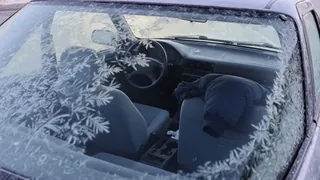
Ice on the Inside of the Car Windshield: Causes and Fixes
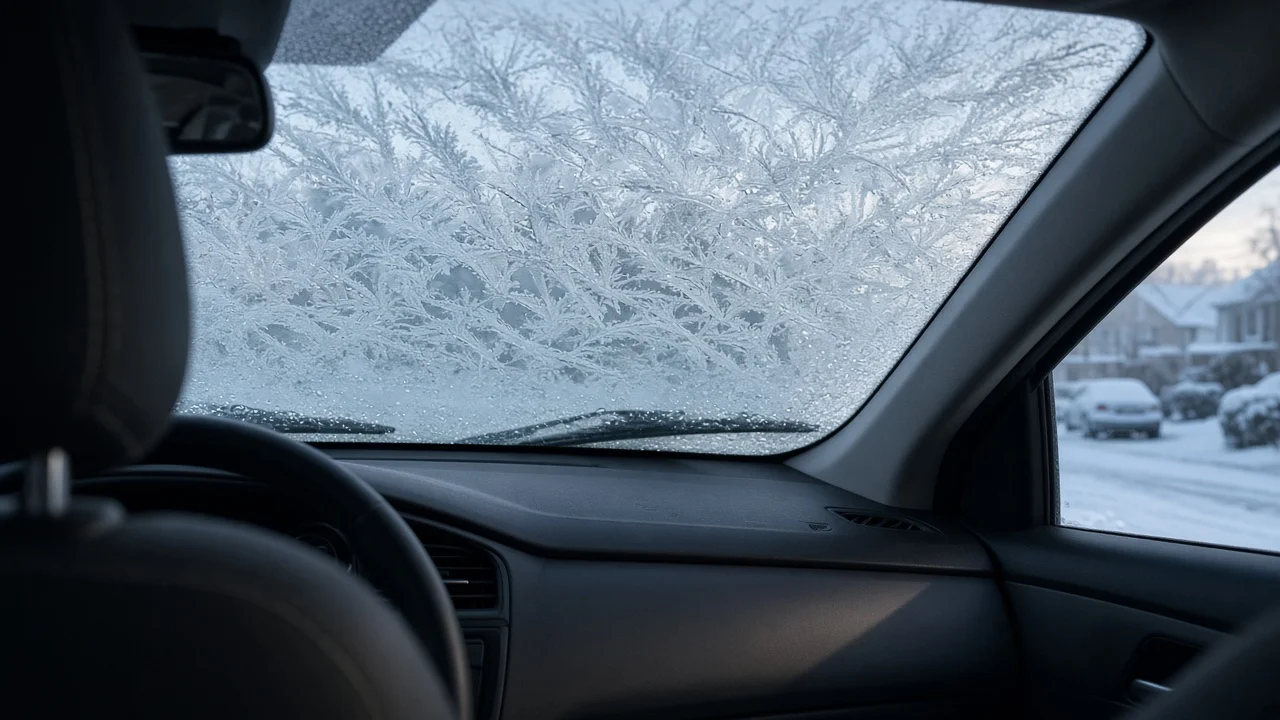
Waking up to frost on the outside is expected in winter, but finding ice inside the car windshield signals a separate problem: too much moisture is trapped in the cabin. That interior glaze forms when humid air contacts glass chilled below freezing, and it reduces visibility until properly cleared. Understanding how water vapor enters, where it condenses, and why the freeze happens makes the fix more effective. The goal is not just scraping the layer away but preventing the next icy buildup from returning overnight.
Essential answer
Ice on the inside of a car windshield forms when cabin humidity condenses on the glass and then freezes. The glass surface cools to the outside temperature, so on a cold night it drops well below 32°F. Moisture within the passenger compartment contacts that cold pane and turns first into dew or fog, then into a crystalline layer if the temperature stays low enough. This interior frost is not a simple window defect; it is a humidity and temperature boundary problem occurring on the inboard side of the glazing.
The essential answer is therefore to reduce moisture inside the vehicle and to dry or warm the glass before freezing conditions return. Snow carried in on boots, wet floor mats, damp clothing, and even breathing add water vapor to the air. A small leak in a door seal or heater core can also keep the cabin humid. Because the windshield ice appears indoors, ordinary outside scraping will not solve the root cause. Instead, the condition requires managing cabin moisture and improving airflow across the glass.