What a skid is and how to recover on ice
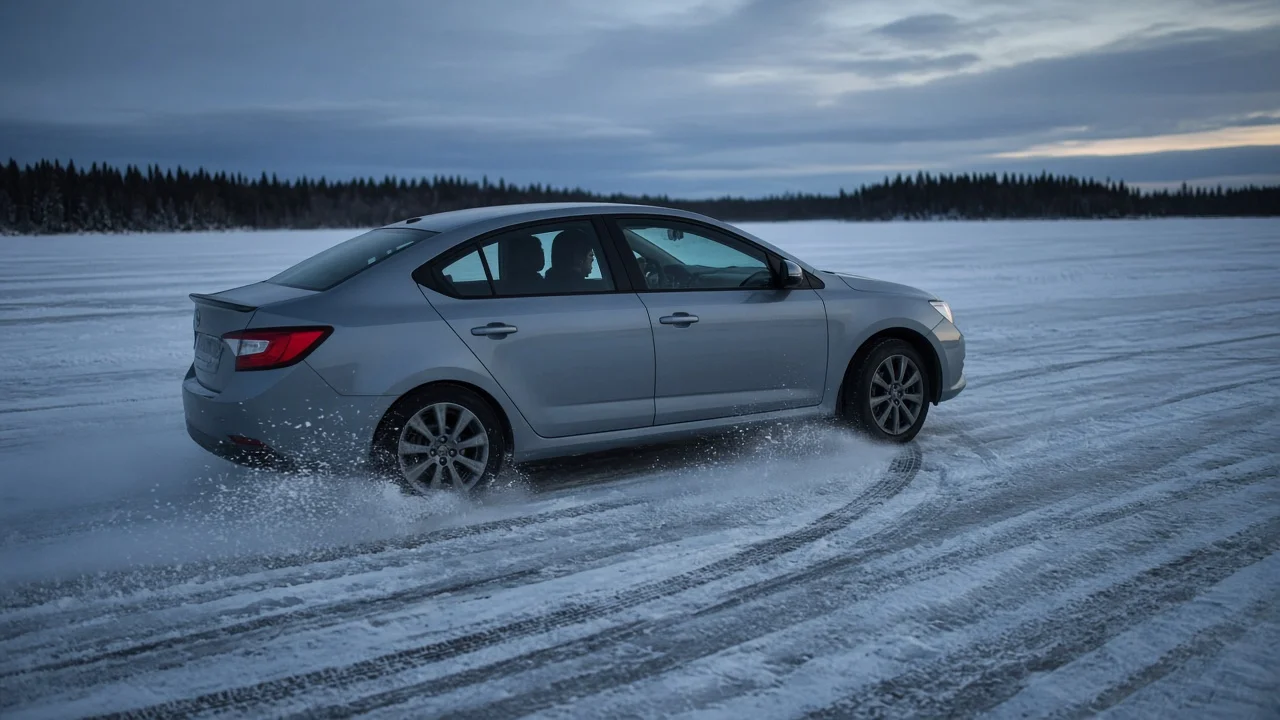
A skid in driving happens when tires lose grip on the road surface, so the vehicle's direction no longer matches your steering input. On ice, this traction loss develops quickly and can feel as if the car is floating. Recognizing that early sensation helps you separate a rear slide from a front-end push. Recovery depends on the type of skid, but the underlying goal is the same: reduce the forces overwhelming tire grip while returning the wheels to a condition where they can steer and brake effectively again.
Direct answer
A skid in driving is a loss of tire grip that makes the vehicle continue moving in a direction different from the one commanded through the steering wheel. It occurs when cornering, acceleration, or braking demand more traction than the road surface can provide. On ice, available traction drops sharply, so even gentle inputs can initiate a slide. The vehicle may rotate, travel straight while the front wheels are turned, or drift sideways depending on which tires lose adhesion first.
The main cause of skidding is driving in a way that exceeds the grip available for the conditions. Excessive speed for a curve, sudden steering input, abrupt brake application, or acceleration that spins the drive wheels can all reduce traction. Ice multiplies this risk because the coefficient of friction is far lower than on dry pavement. Brake input and steering input that would feel routine on asphalt can become destabilizing when the road surface is slick.
Purpose and operation
Traction comes from the friction between the tire contact patch and the road surface. When a driver steers, brakes, or accelerates, load shifts among the four tires. A skid begins when one or more tires receive a demand they cannot satisfy. In a front-wheel skid, also called understeer, the front tires lose grip and the vehicle continues straighter than intended. In a rear-wheel skid, or oversteer, the rear tires lose lateral grip and the tail begins to rotate outward.
Vehicle balance determines how quickly grip returns. Sudden inputs create abrupt weight transfer that can overwhelm the tires. Stability control detects wheel-speed differences and yaw behavior, then reduces engine output or applies individual brakes to pull the vehicle back toward the driver's intended path. The system helps but cannot restore friction after tires have already left the road. Smooth throttle, measured steering, and gentle brake input preserve the remaining tire grip long enough for the vehicle to settle.
How to proceed
If you slide on ice while driving, first release the accelerator gently and avoid stabbing the brake pedal. Look where you want the vehicle to go rather than at the obstacle. For a front-wheel skid, reduce steering angle slightly until the front tires regain traction, then steer smoothly in the intended direction. For a rear-wheel skid, ease off the brake or throttle and steer into the slide with a small, controlled movement before returning to your lane.
Keep brake input progressive unless a locked-wheel situation requires modulation. Threshold braking, or pressing firmly to the point just before wheel lockup, can help in a vehicle without anti-lock brakes. With anti-lock brakes, maintain steady pedal pressure and let the system pulse automatically. The important completion check is whether the tires have stopped sliding and are responding to steering again. Wait for that moment before making a correction that could trigger a second slide.
Understanding a problem
A slide on ice often reflects speed too high for available traction, but vehicle condition also matters. Worn tread depth, underinflated tires, and shock absorbers with reduced damping can make any skid worse. Brake input that locks a wheel, a sudden downshift on a slick downgrade, or hitting a polished ice patch beneath a shaded bridge can create the same symptom. The driver's first observation is usually a light, unresponsive steering feel.
If a stability-control warning illuminates during a slide, the system was likely active and intervening, not necessarily indicating a fault. A steady warning when no slip is occurring can point to a wheel-speed sensor, steering-angle sensor, or a related circuit issue. Manufacturer-dependent codes require vehicle-specific confirmation. Treat the event as evidence of a traction limit: adapt speed to the road surface, check tire condition, and make smaller steering and brake corrections on ice.