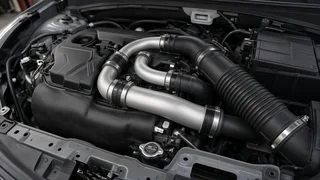
Hyundai Veloster Turbo Intercooler

Choosing a replacement intercooler for a Hyundai Veloster Turbo starts with a simple question: what condition does the current unit show, and what does the buyer expect from the car? For owners looking at a 2016 Hyundai Veloster Turbo intercooler kit or a stock component from the 2013 through 2019 model years, the shopping decision usually comes down to fitment, heat-soak behavior, and whether a front-mount upgrade or direct stock replacement makes sense. A turbocharged engine depends on a stable, cool intake charge, so even small differences in core size, end-tank shape, and hose connection quality can affect how the car behaves in traffic and on long pulls. Understanding the intercooler’s role in the boost path helps separate a meaningful upgrade from parts that simply change underhood appearance.
The direct answer
For a Hyundai Veloster Turbo, the practical choice is usually a direct-fit replacement or an intercooler kit designed for that generation and engine bay layout. The car works best when the new part matches the original charge pipe routing, core position, and inlet and outlet diameters. A 2016 Hyundai Veloster Turbo intercooler kit can provide a larger core than the factory unit, but the benefit comes only when the surrounding airflow and boost pressure have enough room to use that extra cooling area. The same logic applies to earlier 2013 models and later 2019 models, even though specific mounting details can differ.
A buyer should first confirm whether the existing system shows cracks, leaking end tanks, loose hose connections, or signs of oil contamination from the compressor outlet. These conditions change the answer. If the factory intercooler is still sealed and the car is driven at stock boost levels, a stock replacement may be adequate. If the owner is increasing boost or regularly sees elevated charge-air temperature in warm conditions, a larger bar-and-plate or tube-and-fin upgrade may be the more useful purchase. The right choice depends on the planned use and the condition of the entire intake tract, not on the part number alone.