How to Use a Spark Plug Gap Gauge

Setting spark plug gaps accurately matters because the distance the spark jumps shapes how reliably the air-fuel mixture ignites. A spark plug gap gauge gives you a direct way to check and adjust that critical clearance before installation. Used correctly, it helps match each plug to the engine’s required specification and avoids misfires or poor combustion caused by an incorrect gap. This guide explains the essential technique, from selecting the right gauge style to verifying your final measurement so the plug performs as intended.
Direct answer
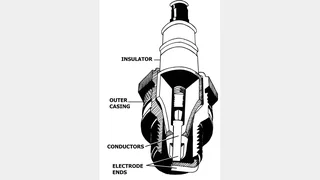
Using a spark plug gap gauge means measuring the open space between the center electrode and the ground electrode, then bending the ground electrode only when adjustment is needed. The correct gap is not universal; it follows the manufacturer specifications for that engine configuration and plug type. A wire-style gauge or a ramp-style coin gauge can both work, but the reading must be a light sliding fit, not a forced one.
An old plug may carry an altered gap from erosion, so checking before installation is useful even on new parts that can shift during shipping. If the gauge passes through too easily, the gap is wide; if it will not enter, the gap is tight. Compare the observation with the required range and adjust gradually, rechecking after each small movement.
How to proceed
Begin with a cold engine and a clean plug. Select the wire or ramp edge matching the specified clearance and slide it through the gap. It should drag slightly without forcing the electrodes apart. If the fit is wrong, use the gauge’s bending notch or a dedicated tool to move only the ground strap in small increments, never prying against the center electrode or its ceramic insulator.
After adjustment, re-measure to confirm the gap remains consistent. Also inspect the electrodes for damage or debris and make sure the plug seat and threads are ready for installation. Because some manufacturer-dependent codes and gap settings differ across models, confirm the specification for your specific vehicle before assuming a generic number is safe.