How to gap a spark plug: gap chart
The correct car spark plug gap is not a single universal number. It depends on the ignition system design, engine configuration, combustion chamber shape, and the manufacturer specifications for your specific vehicle. Using the wrong gap can weaken the spark, encourage misfires, reduce fuel economy, and accelerate electrode wear. Before installing new plugs or adjusting used ones, confirm the recommended clearance from the underhood emissions label, the owner’s manual, or a reliable application chart for your exact engine. The measurement is taken between the center electrode and the ground electrode, and it must be checked with a proper tool rather than estimated by eye.
Direct answer
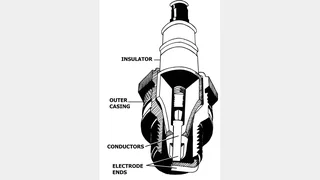
The spark plug gap for your car is the precise air space between the center electrode and the side or ground electrode. This clearance determines how easily the ignition coil’s high voltage can jump the gap and light the air-fuel mixture. A car spark plug gap chart organizes common specifications by make, model, and engine, but those listings are useful only when the engine matches exactly. Similar vehicles with different engine configurations or ignition types may use noticeably different settings, so a chart value for the same nameplate can still be wrong for another year or displacement.
Several factors change the ideal setting even when two engines look alike. Naturally aspirated and forced-induction versions may specify different clearances because cylinder pressure, turbulence, and heat affect the voltage required to fire the plug. Ignition energy, coil design, and electrode material also matter. Finer-wire iridium or platinum plugs often tolerate a wider factory setting than traditional copper-core designs. Since the what is the spark plug gap for my car question depends on these details, the reliable answer should come from the underhood calibration label, a service manual, or a parts catalog filtered by the vehicle identification details that define the exact engine.
How to proceed
Begin by confirming the specified clearance from the vehicle’s emission control label, owner’s manual, or a parts catalog matched to the year, make, model, and engine size. Remove one spark plug at a time only after the engine has cooled, keeping the ignition-off condition confirmed and the plug boot or coil connector clean. Introduce the correct wire gauge or ramp-style gap tool between the center and ground electrodes. A sliding fit should pass through with light resistance. If the gauge does not fit, open the gap by gently levering against the ground electrode; if it fits too loosely, tap the ground electrode against a clean, non-marring surface and recheck.
Do not pry against the center electrode, especially on fine-wire plugs, because the brittle electrode can crack and create an invisible misfire source. Work in small increments, because the electrode metal moves easily and overshooting creates repeated bending that can weaken the strap. After adjustment, inspect the ground electrode for a flat, centered alignment over the tip and confirm that the correct gauge still drags with mild friction. If the plug was dropped, shows a cracked insulator, or requires repeated correction, replace it rather than trying to save a damaged component. Completing this check gives a consistent, even firing condition across all cylinders.