How to Remove Rusty Brake Lines
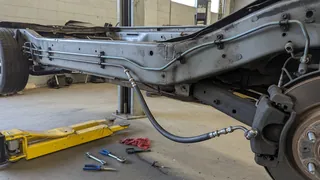
Rusty brake lines threaten both brake fluid pressure and corrosion resistance, but replacement is often manageable with the right preparation. The work begins by understanding how the lines connect the master cylinder to each caliper or wheel cylinder. Removing them safely requires controlled fluid drainage, proper line wrenches, and careful inspection of adjacent fittings. Address the complete hydraulic path so that new lines seal correctly and the brake system remains dependable after bleeding.
Direct answer
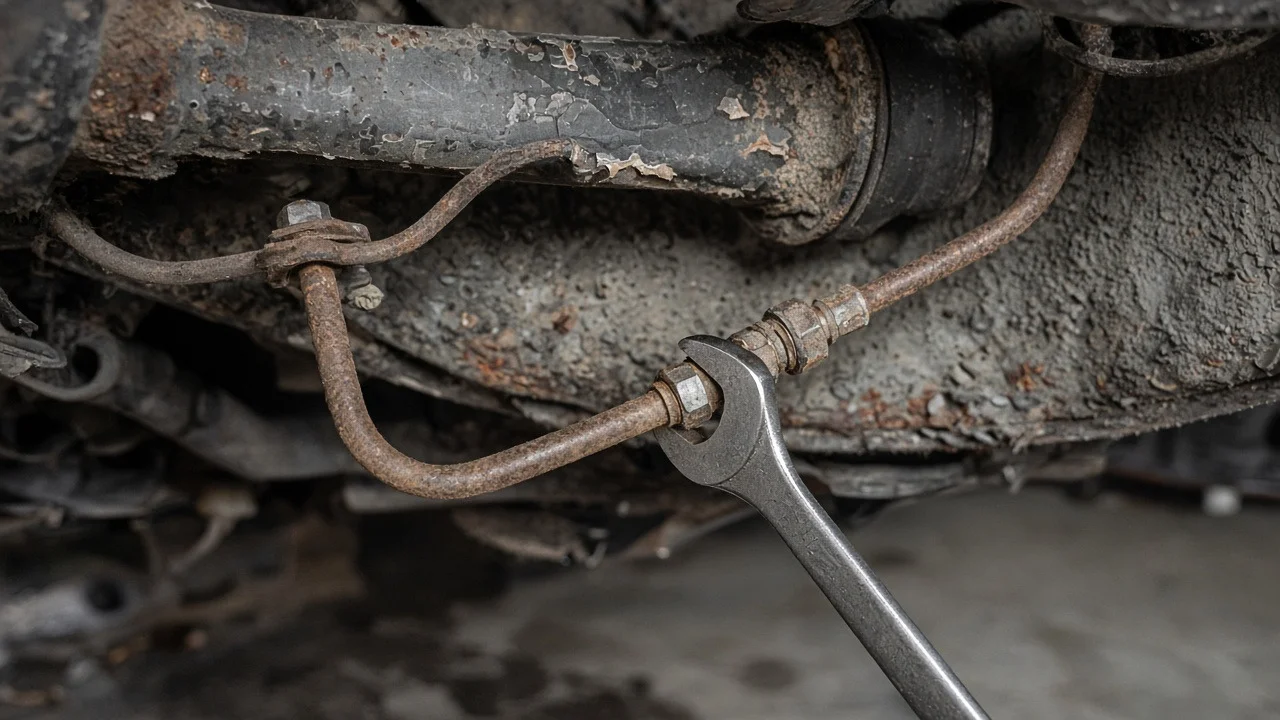
Removing rusty brake lines means disconnecting the corroded tubing from its fittings without damaging the brake hoses, calipers, or proportioning components. In most cases, the task involves relieving residual pressure, capturing brake fluid, loosening the line nuts with a flare-nut wrench, and unfastening any support brackets along the frame or body. The condition that materially changes the job is how deeply the rust has bonded the fitting threads and whether the line is steel or a coated alloy.
Because brake fluid is hygroscopic and corrosive to painted surfaces, preparation controls both safety and cleanup. A line that crumbles at the fitting may leave the nut stuck in the caliper or hose end, which changes the removal from simple unthreading to careful extraction. The essential answer is to treat the line as a hydraulic component, not just a rusted pipe, and to preserve every sealing surface needed for the new brake line installation.
How to proceed
Start by securing the vehicle on level ground, chocking the wheels, and supporting the frame with jack stands before reaching any brake plumbing. Wear eye protection and nitrile gloves, then place a drain pan under the work area. Use a flare-nut wrench on the line fitting while holding the mating hose or caliper steady, applying penetrating oil to rusted threads and letting it soak. Loosen fittings with steady force rather than sharp impacts to avoid rounding the hex.
After the line is free at both ends, remove the retaining clips or brackets along its path and ease the old tubing out without bending adjacent lines. Cap open ports with clean plugs to keep dirt and moisture out of the brake fluid passages. Finish by flushing the hydraulic circuit with fresh brake fluid, checking the new line for secure fitment and proper routing away from heat or moving suspension parts, and bleeding each caliper until the pedal feels firm. If a fitting breaks or the line tears at the nut, stop and have the remaining fragment extracted by a qualified brake specialist.