How to Prepare a Car for a Long Period of Rain
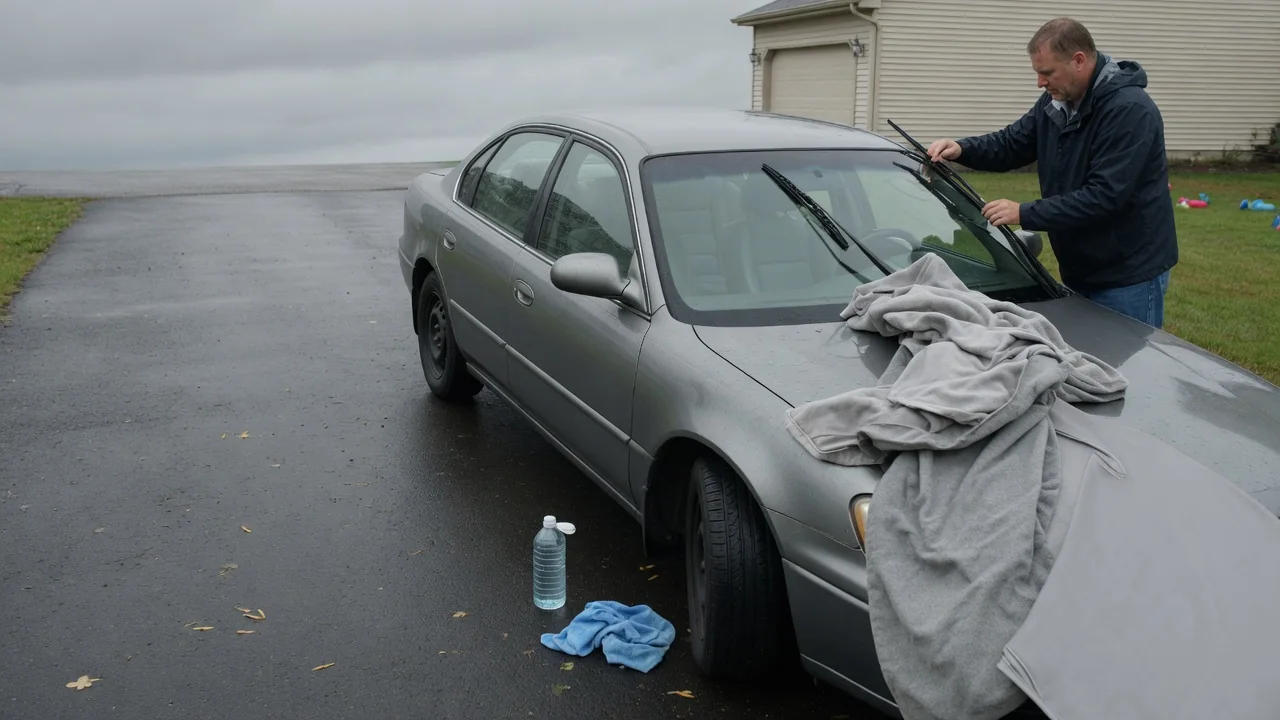
Knowing how to prepare a car for a long period of rain comes down to three things: seeing clearly, letting water leave the body the way the designers intended, and keeping the cabin dry. Weeks of wet weather expose weaknesses that a single shower hides, so a little inspection before the season starts saves damp carpets, fogged glass and nervous braking later.
Tires and wipers
Tread grooves exist to move water out from under the contact patch, and as they wear shallow the tire rides up on a film of water sooner, which drivers feel as light steering or a brief engine flare on standing water. Look across the full width of each tire, because inner-edge wear is easy to miss, and check for the molded wear bars sitting flush with the tread. Set pressures to the figures on the vehicle's placard, since both underinflation and overinflation change how the tread clears water.
Wiper blades harden and crack with sun exposure, so a set that seemed fine in a dry summer may streak, chatter or leave an unwiped arc once it works daily. Run a fingertip along the rubber edge to feel for nicks, and clean the glass thoroughly, as road film makes even new blades smear. Top up the washer fluid and confirm the nozzles hit the screen. Blade lengths, attachment styles and rear wiper designs differ between vehicles, so match replacements to the owner's manual or the existing parts.
Drain paths
Every car body is built to take water in and channel it out again. The cowl panel at the base of the windshield collects runoff and drains it down behind the fenders, doors have small slots along their lower edge, and sunroof trays usually empty through tubes routed down the pillars. Leaves, pine needles and silt block these routes, and the water then finds another exit, often through the cabin air intake or over the edge of a sunroof tray onto the headliner.
A simple check is to clear visible debris from the cowl and the trunk or tailgate channels by hand, then watch where water goes during a gentle rinse. It should appear promptly beneath the car rather than pooling. Sloshing heard inside a door when it swings, or water dripping from a door bottom long after rain stops, suggests blocked slots. Drain locations and the number of tubes vary widely by model and body style, and some sit behind trim, so buried or stubborn blockages are better handled by a workshop.
Interior checks
Inside the car, moisture shows up before it becomes visible damage. Press a hand into the carpet in each footwell, particularly under the floor mats, and lift the trunk floor to look at the spare wheel well, where water collects unnoticed. Inspect door and trunk seals for flattened, torn or displaced sections, and look for tide marks on the headliner near the sunroof and pillars. A musty smell or windows that mist heavily overnight are early signs that water is getting in somewhere.
Cabin protection also depends on the ventilation system working properly. A clogged cabin air filter restricts airflow and slows demisting, and on many vehicles the air conditioning dries the air while defrosting, so confirm it runs and that the rear window heater clears evenly. Rubber or deep-tray mats catch water carried in on shoes and are easier to empty than soaked carpet. Filter location and access differ between models, with some behind the glovebox and others under the cowl, so check the manual first.
Everyday Use and Observations
Once the wet spell begins, daily habits matter as much as preparation. Use fresh-air mode rather than recirculation when the glass fogs, because recirculating traps the humidity from wet clothing and breath. Shake out umbrellas and coats before getting in, and tip out mats when they hold water. Check that all exterior lights work, including brake and rear fog lamps where fitted, since spray reduces how well other drivers see the car as much as it limits the view forward.
Pay attention to small changes over the following weeks. A wiper that starts juddering, a puddle on a floor mat that returns after drying, or condensation inside a lamp housing each point to something worth tracing. Brakes may feel slightly different on the first application after driving through deep water or after the car sits overnight in the wet, as a film of surface rust on the discs clears. Parking away from trees that shed heavily, where possible, keeps the cowl and drain channels from refilling with debris.
Limits and Next Steps
Preparation reduces risk, yet it has limits. Good tires and fresh blades do not make standing water safe at speed, and no amount of drain cleaning protects a car driven through floodwater, which can enter the engine intake or reach electrical components. If a road is covered and the depth is unclear, an alternative route is the sound choice. Likewise, a warning light that appears during wet weather is a prompt for diagnosis, and any stored fault code is evidence to interpret, not proof that a particular part has failed.
Some findings call for professional attention instead of home remedies. Persistently wet carpets may involve a displaced seal, a body seam, a blocked air conditioning drain or a heater fault, and tracing the source can require removing trim. Soaked underlay holds water for a long time and can encourage mold and corrosion around wiring beneath the seats, so it deserves prompt drying. Record where and when water appears, since that pattern helps a technician narrow down the entry point for that specific vehicle.