How to Measure Brake Rotor Runout
A pulsing brake pedal or steering wheel shimmy during light stops often points to lateral runout in a brake rotor, a condition where the friction surface wobbles slightly as the hub turns. Brake rotor runout measurement quantifies that side-to-side deviation and helps separate a warped rotor impression from uneven pad deposits, corrosion, or mounting errors. Because even a few thousandths of an inch matter at the caliper, checking runout before replacing parts can prevent unnecessary brake work and confirm whether the rotor, hub face, or hardware is responsible for the vibration.
Direct answer
Brake rotor runout is measured with a dial indicator mounted so its plunger contacts the rotor friction surface at a right angle while the rotor turns. The total indicator reading across one full revolution is the lateral runout, and the measurement must be taken with the rotor secured the same way as during driving, usually with the lug nuts or spacers installed. The essential answer is that this procedure identifies whether the rotor face moves in and out beyond an acceptable amount as the wheel rotates.
A small amount of movement is normal in many hubs, but excessive runout can push the brake pads back and create pedal travel or a rhythmic grab that feels like warpage. The relevant meaning of brake rotor runout measurement is therefore not simply confirming movement; it is locating whether the variation comes from the rotor itself, the hub mounting surface, or contamination trapped between them. This distinction guides whether cleaning, indexing the rotor, machining, or replacement is the appropriate next step.
How to proceed
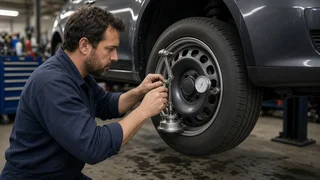
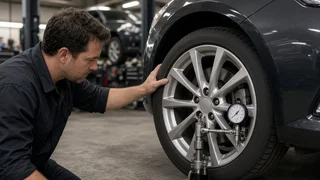
Begin with the vehicle safely supported and the wheel removed, then clean the hub face and rotor mounting area thoroughly because rust scale and debris can create false runout. Reinstall the rotor with at least three lug nuts or conical washers snugged in a star pattern to simulate the clamped condition. Mount a dial indicator base on a stable suspension or steering component, position the tip near the outer edge of the rotor's swept friction surface, and zero the gauge after applying slight preload.
Rotate the hub slowly by hand through a complete revolution while watching the needle. Record the highest and lowest readings; the difference is the total indicated runout. If the value is high, mark the high spot, remove the rotor, clean both surfaces again, and recheck before condemning the part. Rotating the rotor one or two stud positions and remeasuring can also reveal whether hub runout is combining with rotor runout, because indexing the rotor changes the alignment of their high and low points. If the measurement remains excessive after cleaning and indexing, compare it against the manufacturer's published wear limits for that brake system before deciding whether the rotor can be machined or should be replaced.