How to Manage Cabin Temperature With Front and Rear Passengers
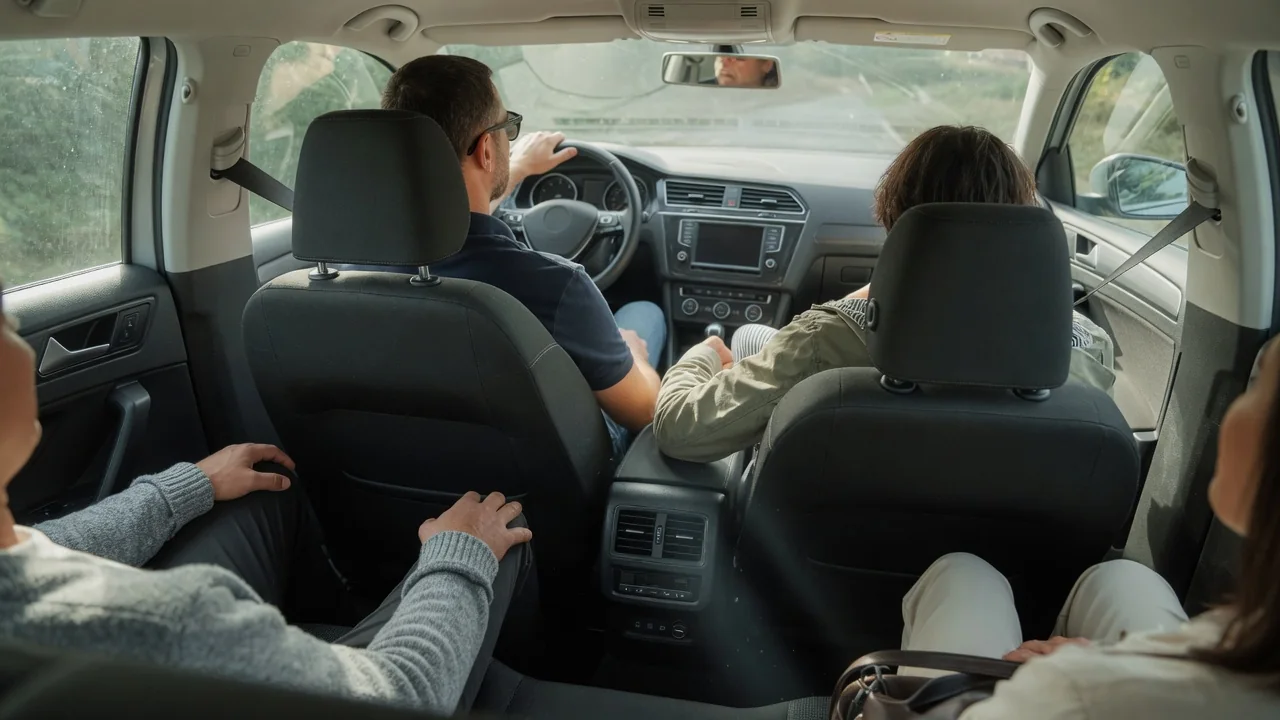
Learning how to manage cabin temperature with front and rear passengers comes down to coordinating airflow, temperature settings, and sun load rather than simply turning the dial colder or warmer. The front seats sit closest to the main vents, so the rear often lags behind. A few deliberate adjustments can even out hot and cold spots for everyone on board.
Vent aim
Dashboard vents deliver the strongest airflow in most vehicles, and where they point decides how much conditioned air ever reaches the second row. Outlets aimed straight at the driver's chest and the front passenger's face cool those two people quickly, but the air loses speed and mixes before it travels rearward. Tilting the center vents slightly upward and between the front seats lets the stream pass over the shoulders and along the headliner, where it can carry toward rear occupants instead of stopping at the front seatbacks.
Heating works differently because warm air rises. Floor outlets, including the ducts that run beneath the front seats in many vehicles, tend to warm rear footwells more evenly than face-level vents do. Objects pushed under the front seats or thick floor mats bunched against those ducts can block the flow, which rear passengers notice as cold feet. Vehicles with rear console or roof-mounted vents give more direct control, though the layout and number of outlets vary widely by model and trim level, so the owner's manual is worth checking.
Zone settings
Dual-zone and multi-zone climate systems let different seating areas request different temperatures, but they work by blending air from a shared system rather than running separate air conditioners in most designs. Setting the driver's side very cold and the passenger's side very warm forces the system to work against itself and can leave both sides feeling inconsistent. Keeping zones within a few degrees of each other usually produces steadier results, with the rear zone set slightly cooler in summer to offset its distance from the main outlets.
A sync or mono function, where fitted, ties every zone to the driver's setting, which is useful when the whole cabin needs to reach one temperature quickly. Once the interior stabilizes, separating the zones allows fine adjustments for individual comfort. Some vehicles also include a rear lock that prevents back-seat controls from being changed, which helps when children are riding there. Automatic mode typically manages fan speed and air distribution together, and it often evens out the cabin better than constant manual changes, although behavior differs between manufacturers.
Sun exposure
Sunlight adds heat unevenly, and that is often the real cause of one passenger complaining while another feels fine. A rear occupant sitting on the sunny side absorbs radiant heat through the side glass and rear window even when the air temperature around them is comfortable. Large rear windows, panoramic roofs, and dark upholstery intensify the effect. Some climate systems use a sunload sensor on the dashboard to compensate automatically, but that sensor reads conditions at the front and may not reflect what the back seat is experiencing.
Practical countermeasures focus on blocking the heat before it reaches the occupant. Built-in rear sunshades, a closed roof blind, or factory privacy glass reduce the radiant load noticeably, and directing a rear vent toward the sunlit side helps that passenger without overcooling everyone else. On a long drive, the sunny side changes as the route turns, so comfort settings that worked in the morning may need revisiting in the afternoon. Parking in shade and briefly venting the cabin before driving also shortens the time needed to pull down interior temperature.
Everyday Use and Observations
The first few minutes of a trip set the pattern. On a hot day, starting with fresh air and open windows for a short stretch pushes out trapped heat, after which recirculation helps the air conditioning cool the cabin faster. Leaving recirculation on for extended periods with a full load of passengers can make the air feel stale and encourage window fogging in damp weather, so switching back to fresh air once the cabin is comfortable is a sensible habit. Fan speed matters as much as temperature for reaching the rear seats.
Rear passengers themselves are the best gauge. Asking how the back seat feels after ten or fifteen minutes reveals more than the display does, because the readout shows a target rather than the actual temperature at each seat. Children in rear-facing seats deserve particular attention, since the seat shell limits airflow around them and they cannot report discomfort clearly. Heated and ventilated seats, where equipped, let individuals fine-tune their own comfort without changing the air temperature for everyone, which often settles disagreements between rows.
Limits and Next Steps
Every system has limits. A vehicle without rear vents or a separate rear zone depends entirely on front airflow reaching the back, and in extreme heat or cold the second and third rows will take longer to become comfortable no matter how the controls are set. Three-row vehicles are especially prone to this, since the rearmost seats sit farthest from the main outlets and closest to the rear glass. Patience, higher fan speeds early in the drive, and thoughtful vent aim are the realistic tools in those cases.
Persistent unevenness can also point to something worth having inspected. Weak airflow from all vents may suggest a restricted cabin air filter, while one side blowing noticeably warmer than the other, or a rear zone that never responds to its controls, can indicate a problem with air blending, a control fault, or low refrigerant performance. None of these symptoms identifies a specific failed part on its own. A qualified technician can test the system properly, and the owner's manual explains which features and settings a particular vehicle actually has.