How to Set Up Audio for Rear-Seat Passengers
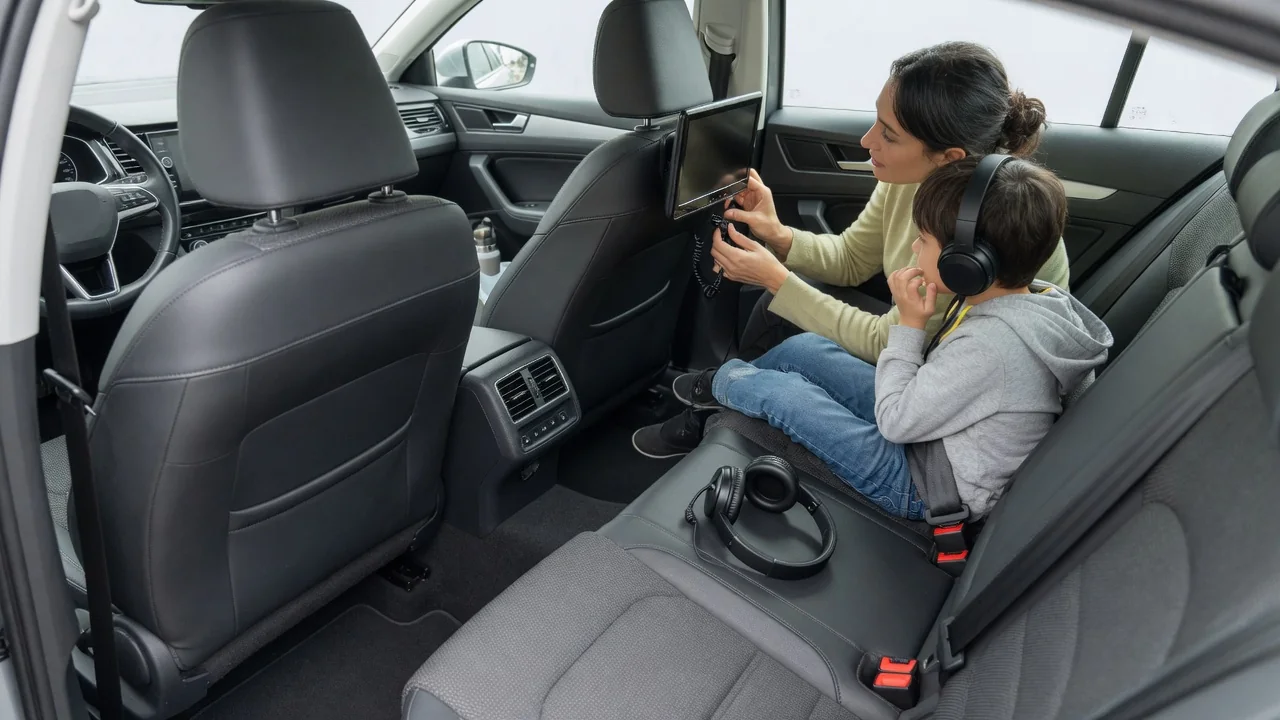
Learning how to set up audio for rear seat passengers starts with accepting that the cabin is a shared room with uneven acoustics. What sounds right from the driver's seat can be thin, boomy, or too loud two rows back. Choosing the right source, adjusting balance and fader settings, and managing volume sensibly makes long trips more comfortable for everyone on board.
Passenger needs
Rear passengers often want something different from the people up front. Children may be following a movie or audiobook, adults may want quiet conversation, and someone may be trying to sleep against the window. Before touching any setting, decide whether the whole cabin is sharing one source, such as the radio or a phone stream, or whether the back row needs its own program through a rear entertainment system or personal headphones.
The listening position also shapes what those passengers hear. Rear seats usually sit closer to door speakers, a parcel shelf, or a subwoofer, and farther from the dashboard speakers that carry much of the vocal detail. Road and tire noise tends to be stronger near the rear axle and cargo area. As a result, speech can sound muffled in back even when it is perfectly clear up front, and the difference varies with body style and trim level.
Speaker balance
Most head units offer a fader that shifts sound between front and rear speakers and a balance control that moves it left to right. Sliding the fader slightly rearward lifts the level in the back without raising the master volume for the driver. Small steps work best, because pushing it too far can pull the sound stage behind the front occupants and make navigation prompts or phone calls harder to follow.
Tone settings matter as much as position. A modest lift in the midrange or treble can help dialogue reach the rear row, while trimming bass can calm a boomy cargo area in a hatchback or SUV. Some vehicles add preset listening modes that focus sound on the driver, all seats, or the rear, and premium systems may apply their own processing. Menu names and available adjustments differ widely, so the owner's manual is the reliable reference for a particular car.
Safe driver controls
Any audio adjustment should be made with the vehicle parked or handled by a front passenger. Working through touchscreen menus while moving takes eyes and attention away from the road. Setting the fader, tone, and source before departure, then relying on steering wheel buttons or voice commands for volume and track changes, keeps the driver's hands and focus where they belong during the trip.
The driver also needs to hear the outside world. Sirens, horns, and warning chimes from driver assistance features can be masked when the cabin level is turned up to satisfy the back row. Where a vehicle provides rear seat controls, a lockout function may let the driver prevent sudden volume jumps or source changes from behind. Some systems lower or mute rear speakers on request, which helps when the front needs quiet for directions or a call.
Everyday Use and Observations
A simple check is to sit in the back seat while parked and listen to familiar music or spoken audio. This quickly reveals whether voices are clear, whether bass overwhelms the row, and whether one side is noticeably louder. Repeating the check at highway speed, as a passenger, shows how much road noise changes things. Many cars offer speed-dependent volume that raises the level automatically as noise builds, and its sensitivity can often be adjusted.
Source quality shows up more plainly in the rear than many expect. A compressed Bluetooth stream, a weak radio signal, or a quiet podcast recording may need more volume than a wired connection or a well-mastered track, and that extra gain raises fatigue over several hours. For mixed needs, headphones for rear passengers are often the cleanest answer, letting children watch a show while the front row keeps its own music or enjoys silence.
Limits and Next Steps
Settings can only do so much. A vehicle with few rear speakers, or none in the third row, cannot be faded into even coverage, and no tone adjustment fully overcomes heavy road noise. Independent rear sources, separate zones, and headphone outputs are equipment-dependent features, not universal ones. If a setting described here does not appear in the menus, the car may simply lack it, and checking the manual or asking a dealer confirms what is fitted.
Distortion, crackling, or a rear speaker that stays silent regardless of fader position points to a fault instead of a setup problem. Possible causes range from a damaged speaker to wiring or amplifier issues, and guessing rarely identifies which one applies. A qualified audio technician can test the system properly. Anyone considering upgraded speakers or added sound deadening should confirm fitment and electrical compatibility for the specific vehicle before buying parts.