How to Clean Car Seat Belts
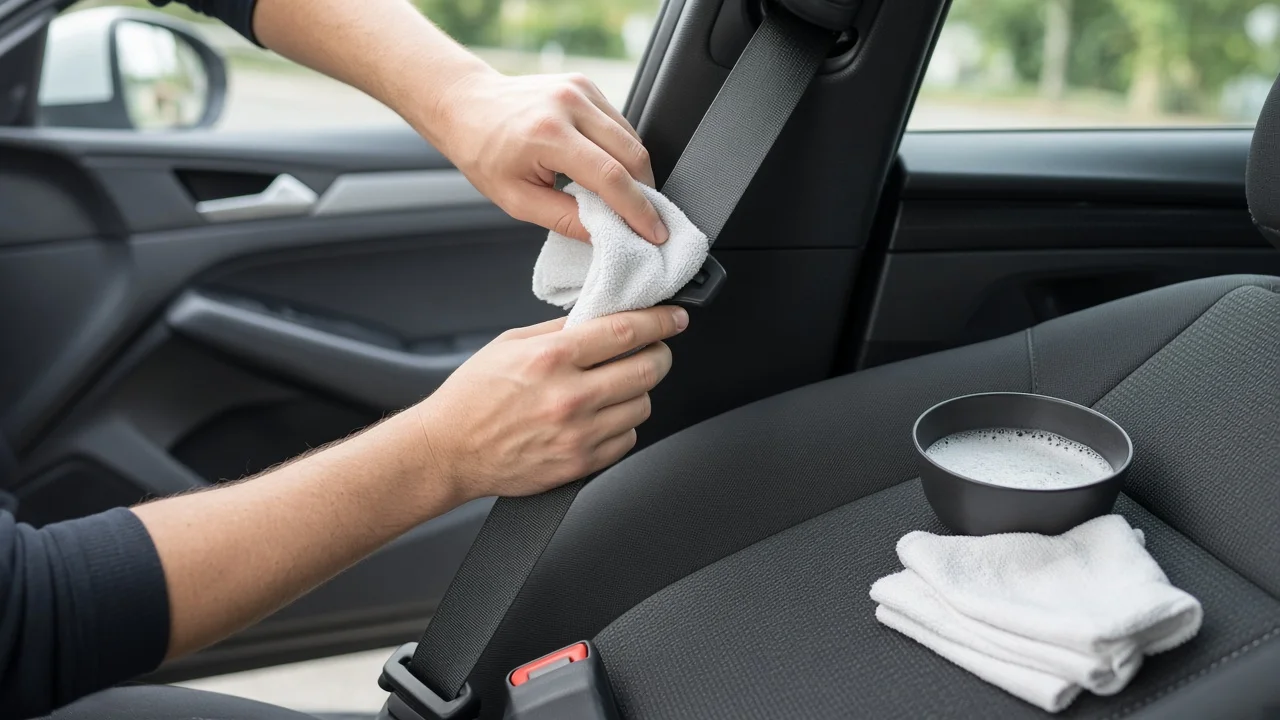
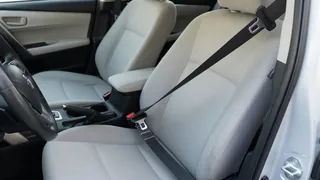
A dirty seat belt does more than look neglected; accumulated grime can make the webbing stiff, slow retraction, and leave marks on clothing. Cleaning the belt restores smooth movement and removes odors without soaking the restraint mechanism. The key is to treat the woven polyester strap gently, avoid harsh chemicals, and keep liquids away from the retractor, buckle, and pretensioner. This guide explains a safe method for ordinary surface cleaning and the inspection points that matter before and after the work.
Direct answer
To clean a car seat belt, pull the webbing out fully, clamp it gently so it cannot retract, and wash the exposed strap with warm water and a mild soap or diluted all-purpose cleaner. Work the solution into the fabric with a soft brush or microfiber cloth, then wipe repeatedly with a damp cloth to remove residue. Let the belt dry completely before releasing it. This approach is appropriate for routine dirt, spills, and light odor on standard polyester webbing.
Heavily soiled straps may need two passes, but avoid soaking the belt or using bleach, strong solvents, or abrasive pads. Those products can weaken fibers or leave a film that affects the way the belt slides through the upper guide. If the belt is cut, frayed, faded, or slow to retract because of internal damage rather than surface dirt, cleaning will not correct the problem. In that case the belt assembly should be evaluated rather than treated as a cosmetic issue.
How to proceed
Start in a shaded or well-ventilated area and extend the belt as far as it will go. Secure the webbing with a plastic clamp or spring clip so the reel cannot pull it back while you work. Mix a small amount of mild soap with warm water in a spray bottle or bucket. Protect nearby trim and upholstery with a towel because the cleaning solution can drip. Do not spray directly into the buckle, retractor opening, or the anchor hardware.
Apply the cleaner to the strap with a soft brush, working along the full exposed length. Rinse by wiping with a clean damp cloth until no suds or dirt transfer remains, then wipe with a dry towel and leave the belt extended until it is fully dry. Before releasing it, check for frayed edges, stiffness, or cuts, and confirm the buckle latches cleanly and the belt retracts smoothly. If retraction remains slow or a warning indicator is active, stop using the vehicle for further diagnosis and follow the vehicle-specific service procedure for the restraint system.