How to Choose the Right Snow Chain Size Using a Sizing Chart
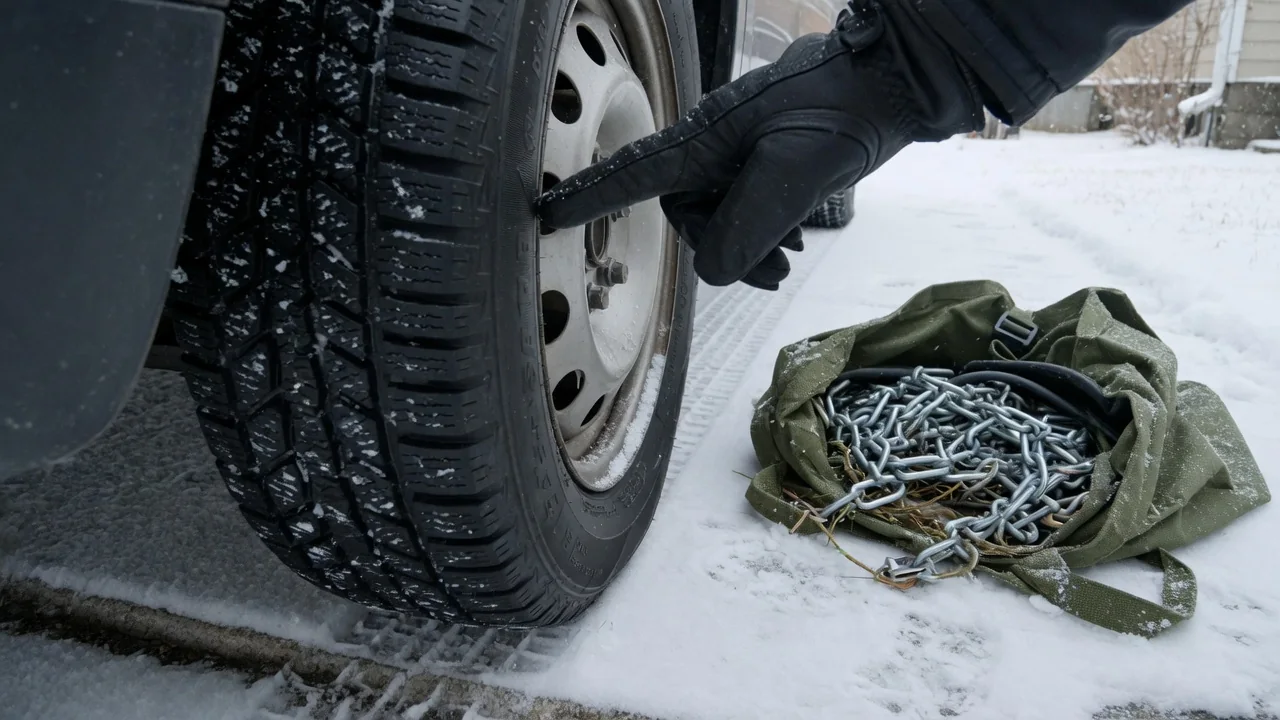
Snow chains only work when they fit the tire they are wrapped around. A snow chains sizes chart translates the numbers on your tire sidewall into the correct chain for a given product, but reading it properly takes a little care. This overview explains how tire chain sizing works, where to confirm your tire size, and what to check before winter driving begins.
Why Snow Chain Size Has to Match Your Exact Tire
Chains are built to wrap a tire of particular dimensions, so the vehicle's make or model name alone does not tell you which set to buy. A chain that is too loose can shift across the tread, lose grip, and swing outward far enough to strike the wheel, the fender liner or the body. One that is too tight may not seat around the tire at all, or may sit under so much strain that the links and fasteners are stressed before the vehicle has even moved.
The same model is often sold with several wheel and tire packages, and those packages can change from one trim level or model year to the next. A base version and a sport version of an identical vehicle may need entirely different chains. Replacement or aftermarket tires add another variable, because a previous owner or a tire shop may have installed a size that differs from the original. For that reason, each vehicle deserves its own check against the tires actually mounted on it.
Reading the Tire Size on Your Sidewall
The tire sidewall size is molded into the rubber as a string of numbers and letters. In a generic format such as 225/60R17, the first number is the section width in millimeters, the second is the aspect ratio, which expresses sidewall height as a percentage of that width, the letter identifies the construction type, and the last number is the rim diameter in inches. That example is only an illustration of the layout and does not describe any particular vehicle. A chain chart asks for these same values, in this same order.
The door-jamb placard and the owner's manual also list the size the vehicle was built with, which is useful for comparison. Keep in mind that the placard reflects the original equipment, so it may not match tires that were swapped later; the sidewall is the final word on what is actually installed. Read every tire that will carry a chain rather than just one, because some vehicles use different sizes front and rear, and a set that suits one axle may not suit the other.
How to Use a Snow Chain Sizes Chart
Each chain manufacturer publishes its own chart linking tire sizes to its own chain size codes. Those codes are brand-specific, and often specific to a single product line, so a code from one maker's cable chains tells you nothing about another maker's link chains, or even about a different series from the same company. To use the chart, locate your full tire size exactly as it appears on the sidewall, then read across to the matching code. It is common for one row to group several tire sizes under a single chain size, because their overall dimensions are close.
If your tire size does not appear, resist the urge to guess or round to a nearby entry. A size that looks similar on paper can differ enough in width or overall diameter to change how the chain sits. Contact the chain maker or a tire professional and ask for confirmation instead. Charts are also revised as products change, so an old printout or the chart from a previous purchase may be out of date. Check the current chart for the exact product you plan to buy.
Checking Wheel-Well Clearance and Owner's Manual Restrictions
A chain that matches the tire still has to fit the space around it. The owner's manual traction guidance may state whether traction devices are permitted at all, which axle they belong on, and whether low-profile snow chains or other limited-clearance devices are required. This matters because wheel well clearance varies widely, and the gap between the tire and nearby components can be small. Brake lines, suspension parts, wheel speed sensors and their wiring, and the inner fender or body panels can all be damaged by a chain that reaches them as the wheel turns and steers.
Some vehicles, or some tire sizes offered on them, may not allow chains under any circumstances. Where the manufacturer says so, follow that guidance rather than looking for a way around it; the manual may point to an alternative device or a different approved tire size. If the wording is unclear, or the vehicle has been modified with different wheels, tires or suspension, the original guidance may no longer apply as written. A dealer or tire shop can look at the actual clearances and advise on what is suitable.
Doing a Test Fit Before Winter Travel
The first installation should not happen on a snowy shoulder in the dark. Practice in a dry, safe, level spot well before the trip, with the vehicle parked securely and the chain maker's instructions in hand. A test fit confirms that the chart led you to the right size and gives you a feel for the process while your hands are warm. Look for even coverage across the tread, with the chain centered rather than pulled to one side, proper chain tensioning with no slack hanging loose, and no visible contact with nearby parts.
Chains tend to settle once the tire starts rolling, so recheck the tension after a short distance at low speed, following the instructions supplied with the product. Stop and get professional help if you hear rubbing, find contact marks on the wheel well, suspension or wheel, or cannot bring the chain to proper tension no matter how it is adjusted. Those signs suggest a size or clearance problem that more force will not solve, and it is far better to discover it at home than on a mountain pass.
Using Chains Within Their Limits
Correctly sized chains still have operating limits. The chain manufacturer sets a maximum speed for its product, and that figure applies alongside any posted local limits for chain-control areas. Requirements and restrictions also vary by state and region, covering matters such as when chains must be carried or fitted, which traction devices qualify, and where chains are not allowed. Because these rules can change, check the current ones for your route before leaving. Smooth steering, gentle acceleration and early braking keep loads on the chains lower and help them stay in place.
Pay attention to how the vehicle sounds and feels. A new slapping or scraping noise, or a vibration that was not there before, can mean a chain has loosened, shifted or broken a link. Pull over somewhere safe, away from traffic, and inspect before continuing. Once the road is clear of snow and ice, take the chains off. Running them on bare pavement wears the links quickly and can damage the tires and the road surface, and it does nothing useful for traction.