How to Choose the Best Winter Tires for Your Car
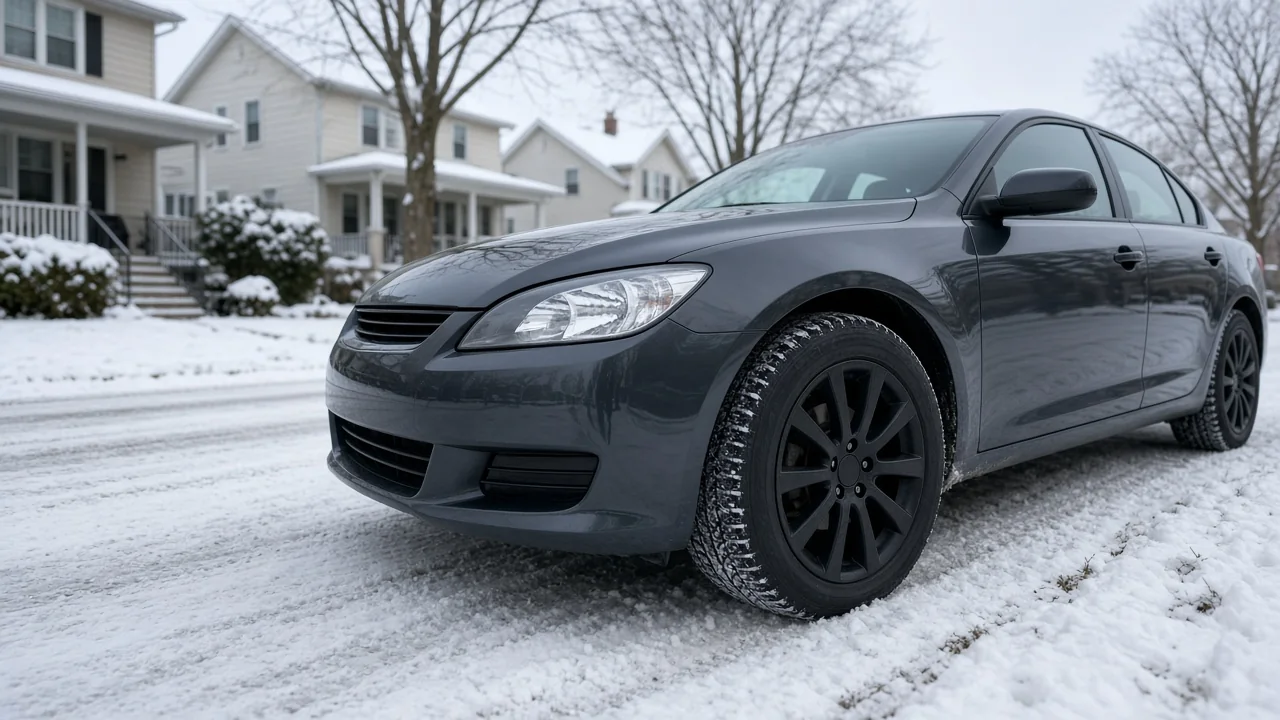
Choosing winter tires is less about finding one universal champion and more about matching grip, fitment, and comfort to the way you actually drive when temperatures drop. The strongest choice for a hilly rural commute may differ from the right pick for plowed city streets. This guide explains how to read ratings, compare tread designs, confirm specifications, and weigh noise and wear before you commit to a set.
Start With the Winter Conditions on Your Regular Routes
A sensible winter tire decision starts with the roads you drive most often, not with a ranking. Local weather, how quickly crews plow and treat roads, the terrain between home and work, and how far you travel all shape which traction qualities matter. Think about what you encounter repeatedly: packed snow on side streets, freezing rain that glazes pavement, heavy slush after a thaw, or simply cold, wet roads where warm-weather compounds can stiffen and lose grip. A tire that excels in one of these may be only average in another.
Terrain and timing refine those priorities. Steep driveways and unplowed hills reward strong snow traction for climbing and stopping, while long highway stretches place more weight on wet braking, stability, and slush resistance at speed. Early departures often mean driving before plows and salt trucks arrive, when surfaces are at their worst. Even so, keep expectations grounded: winter tires can improve grip and control in cold conditions compared with tires not designed for them, but they cannot eliminate sliding or make a closed or unsafe road passable.
Understand Winter Tire Ratings and Test Results
The three-peak mountain snowflake symbol on a sidewall means the tire met a defined snow-traction performance standard in testing. That is meaningful, but it certifies snow traction, not ice braking, wet handling, or every other winter behavior. The older M+S marking, by contrast, relates mainly to tread design and does not by itself show that a tire passed a severe-snow traction test. Plenty of all-season tires carry it, so treating it as equivalent to a dedicated winter rating can lead to overestimating a tire's capability.
When comparing highly rated tires, look for controlled test results that measure snow traction, ice braking, wet braking, and handling separately, with the conditions clearly stated. Relevance depends on details: a result obtained in one tire size on a particular test vehicle, at a specific temperature and surface, may not translate perfectly to your car. Owner reviews add useful context about noise, longevity, and real-world impressions, but they reflect varied vehicles, climates, and expectations, so treat them as supporting color rather than controlled evidence.
Read Tread and Compound Features for Snow and Ice Needs
Winter tires rely on rubber compounds formulated to stay pliable as temperatures fall, allowing the tread to conform to the road surface rather than hardening. That property is invisible, which is why appearance alone cannot tell you how well a tire grips. Tread design works alongside the compound. Sipes, the thin slits cut across the tread blocks, create many small biting edges for snow and ice, while wider grooves and channels help evacuate water and slush so the rubber can stay in contact with the surface.
No single visible feature predicts performance, and strength on one surface does not guarantee strength on another. A tire that scores well for snow traction may be only moderate at ice braking, so if freezing rain is your main concern, look for separate ice results. Tire categories reflect these tradeoffs. Studless designs depend on compound and siping, studdable tires accept metal studs for added ice bite, and performance winter tires favor steering precision on cold pavement. None is a universal winner, and stud use may be restricted where you live, so check local rules first.
Confirm Tire Specifications for Your Passenger Car
Before comparing brands, confirm what your car actually requires. The tire placard, usually on the driver's door jamb, and the owner's manual list approved sizes, load index, and recommended inflation pressures. The load index matters because each tire must safely carry its share of the vehicle's weight. Speed rating deserves equal attention. Whether a lower speed rating is acceptable for winter use varies by manufacturer and vehicle, so verify any exception with the automaker or a qualified tire professional rather than assuming a substitute is fine.
Winter tires should be installed as a complete set of four appropriately matched tires. Fitting them only on the drive axle can leave the other end of the car with far less grip, creating unpredictable handling during braking or cornering. If your car uses different front and rear sizes, follow the approved specifications for each axle. Many owners choose a separate winter wheel package for easier seasonal swaps, but have a tire professional confirm wheel and brake clearance, tire pressure monitoring compatibility, and overall fitment before buying.
Set Realistic Expectations for Noise, Comfort, and Wear
Noise perception depends on more than the tire. Tread pattern plays a role, since blockier designs with open channels can generate more hum, but road surface texture, your car's sound insulation, and travel speed all influence what reaches the cabin. A tire that seems loud on coarse concrete may be unremarkable on smooth asphalt. Comfort and steering feel follow similar logic. Softer compounds and flexible tread blocks can change how the car responds, so rely on test evaluations of ride and handling rather than guessing from tread appearance.
Wear is equally variable. Temperature, inflation, alignment, driving style, and how long the tires stay on the car each season all affect tread life, which is why no one can promise an exact lifespan. Running winter tires deep into warm weather tends to accelerate wear on flexible compounds. For budgeting, consider the full ownership picture: the tires themselves, mounting and balancing, twice-yearly changeovers, and storage for the off-season set. A separate wheel package may add upfront cost but can simplify each seasonal swap.
Use a Practical Checklist Before Buying
Before purchasing, work through a final check. Confirm the tire matches your approved size, load index, and speed requirements, and that it carries the three-peak mountain snowflake symbol. Make sure available test evidence covers your main conditions, whether that is deep snow, ice, slush, or cold rain, and that noise and comfort results fall within what you can accept. Verify the retailer can supply a complete set of four, and review warranty terms, what installation includes, and where the off-season tires or wheels will be stored.
Once installed, simple owner checks help protect your investment. Measure cold inflation pressure against the vehicle placard values, since pressure drops as temperatures fall, and look for visible cuts, bulges, embedded objects, or uneven wear across the tread. Any damage or uncertainty about tire condition belongs with a qualified professional. The practical decision rule is straightforward: choose a correctly fitted winter tire backed by test evidence relevant to your roads, then drive to the conditions with gentler inputs and longer following distances.