Do You Need Winter Tires to Drive in Snow?
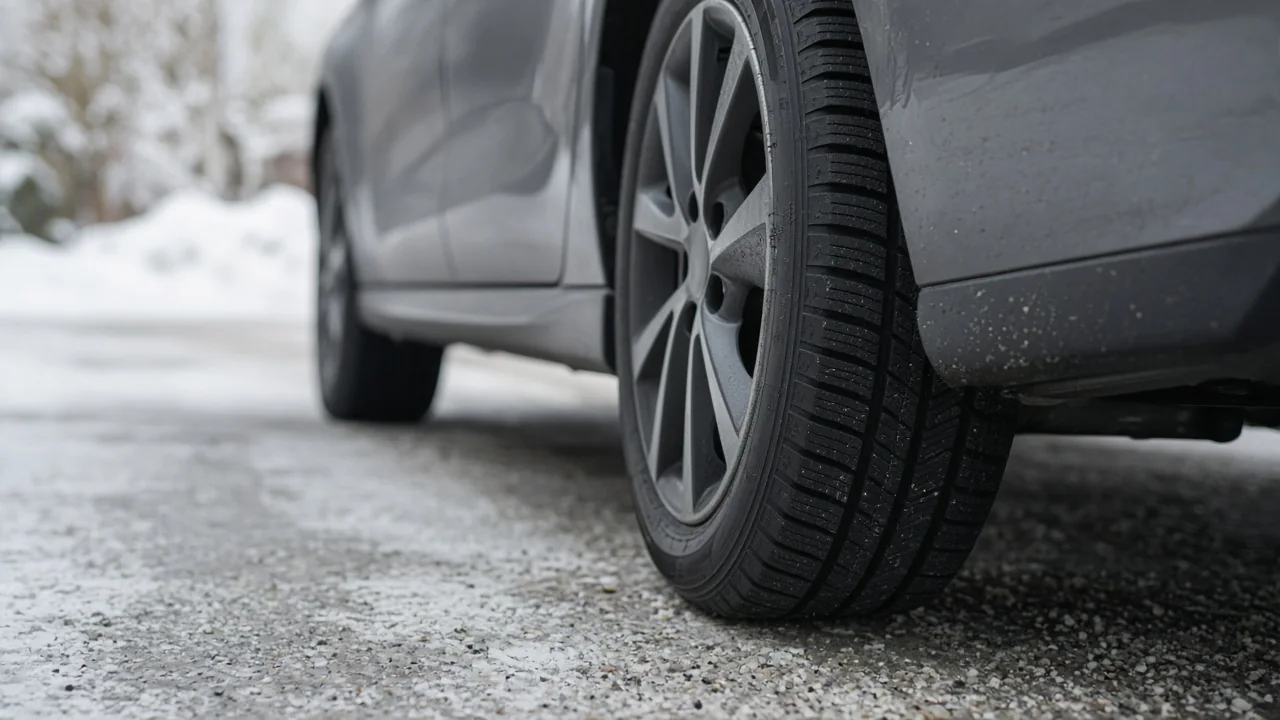
Winter tires for driving in snow become a practical consideration when you regularly face packed snow, ice, and cold that stays well below the range where all-season rubber stays flexible. They are not a legal requirement everywhere, and they cannot cancel out speed or poor judgment. Matching the tire to the climate, checking tread, and knowing when to stay home still matter more than any single label on the sidewall.
When Winter Tires Matter for Driving in Snow
If you live where snow, ice, and sustained cold return every year, winter tires for driving in snow are a practical choice rather than a luxury. Whether they are legally required depends on the jurisdiction, posted restrictions, and sometimes the date on the calendar. In milder climates with rare flurries, all-season tires may be enough for winter driving if travel can wait until roads are treated. The question is less about a single storm and more about how often you must move when temperatures stay low and pavement stays slick.
A dedicated winter tire uses a cold-weather rubber compound that stays more pliable as the mercury drops, plus deeper tread grooves and extra sipes that bite into snow. Those features support snow traction on packed snow and slush, but they do not promise grip on every surface, especially polished ice. Tire choice also cannot eliminate sliding or overcome excessive speed. When forecasts, hills, or untreated roads make a trip doubtful, postponing travel remains the safer option even with good tires for winter driving.
The Risks of Driving Without Winter Tires
Driving in snow without winter tires can leave you short of traction when you need it most. Starting from a stop, steering through a curve, climbing a grade, and stopping at an intersection all depend on the contact patch biting the surface. On packed snow or ice, a harder all-season or summer compound can glaze and skate instead of gripping. That is why driving without winter tires is not just a comfort issue; it can stretch stopping distances and make the vehicle wander even at modest speeds.
All-wheel drive, traction control, and ABS can help manage wheelspin and keep the brakes from locking, but they cannot create grip the tire does not have. Electronics work with the rubber you already have, not around it. Check road conditions and any posted restrictions before you leave, leave extra space, and avoid abrupt throttle, brake, or steering inputs. Delay travel when traction looks doubtful. An easy start from a driveway or one successful trip does not prove the same tires will hold on the next untreated hill or icy bridge.
Why Summer Tires Require Special Attention in Cold Weather
Summer tires are built for warm pavement, dry grip, and wet braking in mild weather. They should not be assumed suitable for snow or ice, and driving summer tires in winter is a different problem than running worn all-seasons. The tread pattern is typically shallower in snow-holding volume, with fewer sipes, and the compound is formulated to stay firm in heat. When that rubber gets cold, it can lose compliance at the contact patch, so the tire may skate even on a light covering of snow.
Check the tire manufacturer's cold-weather operating and storage guidance rather than treating one temperature number as universal. Some summer products warn against use below a stated range and may be more prone to cracking or other cold-related damage if left in service or stored poorly. If a snowy trip is coming, arrange suitable tires for winter driving or another way to travel instead of testing traction on public roads. Finding out the compound is too stiff after you are already on a grade is not a plan.
Choosing Tires for Your Winter Driving Conditions
Match tires for winter driving to the snow, ice, and cold you actually face, plus hills you cannot avoid and whether a trip can wait. A region with brief, treated storms is a different problem from months of packed snow and overnight ice. Good tires for winter driving in one climate can be the wrong choice in another. If you can postpone travel until roads are cleared, an all-season set may be workable; if you must commute on untreated pavement, dedicated winter driving tires are the more relevant category.
All-season labeling describes a broad compromise, not a snow guarantee. The three-peak mountain snowflake symbol indicates the tire met a standardized snow traction test, which is useful evidence of snow capability but not proof of ice traction. Category labels alone cannot establish that a tire is suitable for a particular winter route. Any winter setup still needs vehicle-approved sizing, load capacity, and a matching four-tire installation. When fitment is uncertain, a tire professional should confirm clearance, load, and speed rating before you buy.
Checking Tread Depth and Tire Condition Before Snow
Tire tread for winter driving is about more than a legal minimum. With the vehicle safely parked, measure tread depth with a gauge at several points across the main grooves on each tire, because wear is rarely even. Deep tread grooves pack and evacuate snow and slush; as they wear, that volume shrinks and the remaining sipes have less room to flex. A tire that still meets a statutory wear limit can already be a weak performer in snow even if it looks acceptable on dry pavement.
Replacement depth for snow use belongs in the tire manufacturer's guidance and in any local winter-equipment rules, not in a single remaining-depth number treated as universally safe. Inspect for uneven wear, cuts, bulges, exposed cords, or separated tread, all of which call for professional inspection before you trust the tire in cold weather. Check tire pressure on cold tires against the vehicle placard, not the number molded on the sidewall. Underinflation or overinflation changes the contact patch and can leave you with less snow traction than the tread pattern suggests.
What Low-Profile Tires Mean for Winter Use
A low-profile tire used for winter driving is defined by sidewall height relative to section width, not by its seasonal compound. A low-profile winter tire can still use a cold-weather rubber compound and carry the three-peak mountain snowflake symbol; a low-profile summer tire does not become a snow tire because the sidewall is short. The reduced sidewall height simply means less rubber between the rim and the road, which changes ride cushioning more than it defines snow traction.
That limited sidewall height can leave the wheel and tire more exposed to potholes, curb strikes, and hazards hidden under snow. Any winter wheel-and-tire package still has to meet vehicle fitment, brake clearance, load, and inflation requirements. If you plan to use chains or other traction devices, read the vehicle instructions first. Clearance, permitted devices, and axle restrictions vary, and installing the wrong equipment can damage the tire, fender, or suspension even when the rubber itself is a winter compound.