Performance Winter Tires Explained for Sports and Luxury Cars
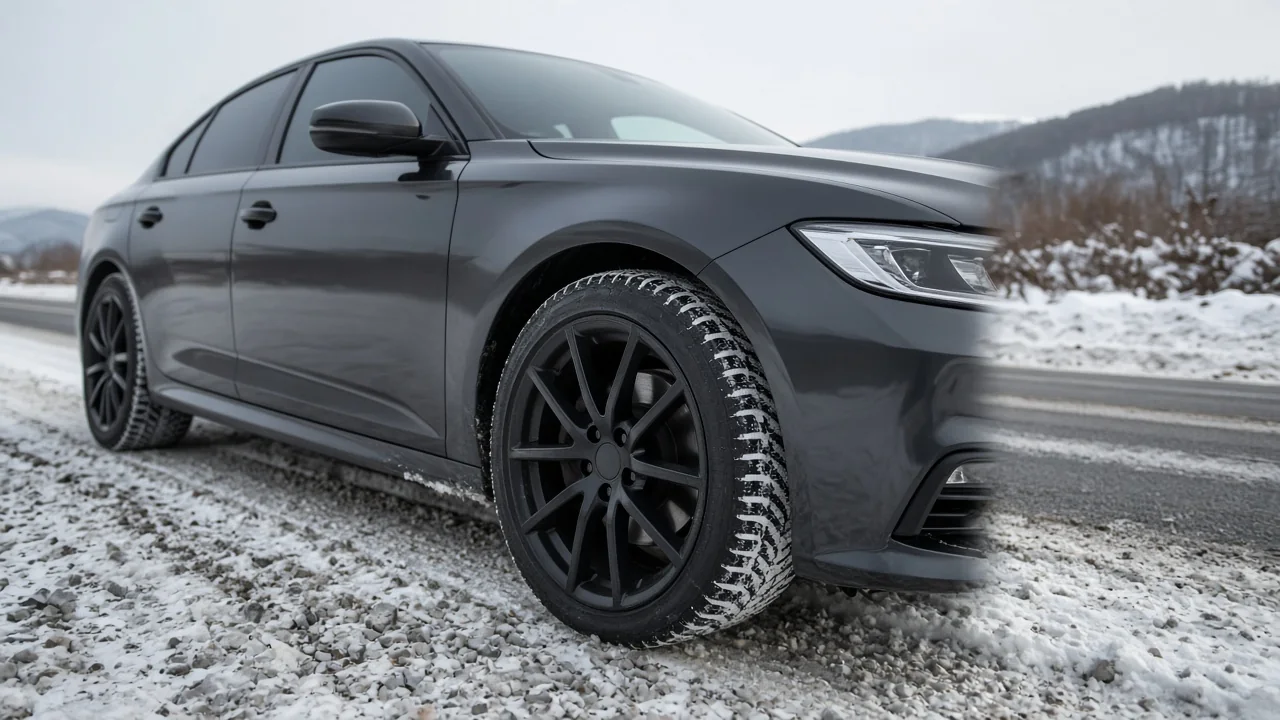
High performance winter tires occupy a middle ground between dedicated snow hardware and ordinary all-season rubber. They are meant to keep a sports or luxury car responsive on cold, mostly cleared pavement while still meeting winter traction expectations. The usual question is how much steering precision to keep when winter tires performance also has to include snow and ice, not whether one product can do every winter job equally well.
What Defines a Performance Winter Tire
A performance winter tire is built for cold-weather handling on roads that are often plowed, salted, or only lightly covered. The category emphasizes steering response, stable cornering, and usable traction when temperatures drop and pavement remains mostly hard. Unlike a more snow-oriented winter tire, the design typically favors a firmer feel at legal winter speeds rather than maximum flotation. In this category, predictable turn-in and braking on cold asphalt are the goal, with snow capability treated as a requirement rather than the only priority.
Tread blocks, siping density, and winter tire compounds all influence how a given model behaves, and those ingredients are not identical across the category. A more flexible compound can stay pliant in cold air, while a more supported tread can keep the contact patch from squirming during a lane change. A sports or luxury badge on the car does not by itself pick the tire. Approved winter tire fitment, typical road conditions, and how often the vehicle sees packed snow matter more than marketing language about performance.
How Winter Tire Design Shapes Road Feel
Steering feel on a winter road starts with how the tread blocks resist bending under lateral load. A more supported block can transmit a clearer signal through the wheel during ordinary lane changes and highway curves, which is a large part of why drivers choose performance winter tires. If the blocks fold too easily, the car can feel delayed even when traction is still available. That support is a design choice, not a guarantee of sporty behavior, and it can reduce the tire's ability to bite into loose snow.
Sipes, tread channels, and compound flexibility do the winter work that a stiff summer tire cannot. Sipes create extra edges that help on packed snow and light ice, channels move water and slush away from the contact patch, and a cold-flexible compound keeps those features working when the air is well below typical all-season comfort. Designers still trade among handling, ice traction, ride comfort, and tread wear. Calling a product a high-performance winter tire describes an intent, not a fixed road feel, so two models in the same category can still drive differently.
What to Expect in Snow, Slush, and Ice
Traction in winter is a moving target. Fresh snow depth, slush thickness, ice, temperature, and remaining tread all change how quickly a car can stop or change direction. A thin film of packed snow on cold pavement is a different problem from rutted slush or polished ice. Performance winter snow tires can still lose a useful amount of grip as snow gets deeper or as ice becomes smoother, because a handling-focused tread may pack less snow in the voids and present fewer biting edges than a more aggressive winter pattern.
The three-peak mountain snowflake mark indicates that a tire met a defined snow-traction test. It does not certify ice grip, short stopping distances, or competence in unplowed drifts. All-wheel drive can help a vehicle start moving, but it does not add extra brake force or extra cornering grip at each tire. On ice or in deep snow, a driver who cannot maintain a modest, stable path should postpone travel rather than rely on the tire category or drivetrain. Remaining tread depth also matters; a worn winter tire has fewer sipes and less void to work with.
Reading Speed Ratings and Load Requirements
A speed rating describes a tire's tested capability under specified laboratory and track conditions, not a recommended winter cruising speed. High performance winter tires may carry a higher speed rating than a more snow-focused winter tire when the construction is intended to stay stable at higher rotational speeds on dry or wet pavement. That mark is not permission to drive quickly on ice, in blowing snow, or with poor visibility. Safe speed is set by the road, traffic, and sight distance, none of which appear on the sidewall.
The load index is a separate rating. It indicates the tire's load-carrying capacity and must meet the vehicle's requirements, including any differences between axles. Choosing a winter tire with a different speed rating than the original equipment tire is a fitment decision that belongs with the vehicle's guidance and a qualified tire professional, because construction, handling, and speed capability can change together. Ratings still cannot tell a driver how fast to go in fog, on black ice, or in dense traffic. Those conditions override any letter on the sidewall.
Which Drivers Should Consider Performance Winter Tires
High-performance winter tires suit drivers who spend most winter miles on maintained roads that stay cold but are regularly plowed. Those drivers often want the car to keep a familiar steering response on dry-cold pavement, light snow film, and wet slush rather than a more isolated, snow-tire feel. The case is everyday traction and composure, not engine output or an invitation to drive aggressively. A luxury sedan used for highway commuting and a sports car used on cleared city streets can both fit this pattern if the winter tire fitment is approved.
Frequent travel on unplowed roads, steep icy grades, or long stretches of untreated rural pavement argues for closer attention to snow and ice capability, which may point away from a handling-first winter tire. Typical routes, how quickly local crews clear snow, whether a trip can be delayed, and the vehicle's stated tire requirements should guide the choice. Winter performance tires are a better match when the driver can wait out the worst storms and mostly sees packed or cleared surfaces. They are a weaker match when the vehicle must keep moving through deep snow regardless of conditions.
Fitment and Checks That Support Winter Performance
Winter tire fitment starts with the approved size, load capacity, and any vehicle-specific notes about speed rating, wheel width, or clearance. A tire that physically mounts is not automatically a correct winter choice if it undercuts the load index or rubs at full lock or when the suspension compresses. Sports and luxury cars with staggered sizes still need a coordinated set of four suitable winter tires so front and rear grip stay in a predictable relationship. Mixing one high-grip winter tire with three others of a different type can unsettle braking and stability systems.
Once mounted, a cold inflation check against the vehicle's specified pressure, not the number on the tire sidewall, keeps the contact patch closer to the intended shape. A quick visual look for cuts, bulges, irregular wear, and remaining siping is a reasonable habit before a winter trip. Persistent pressure loss, a new vibration, visible damage, or any doubt about size or load capacity are reasons to stop using the tire until a professional inspects it. Those checks protect the handling the driver bought the performance winter tires to keep.