Winter Tires Cost: What Shapes Your Budget and Are They Worth It?
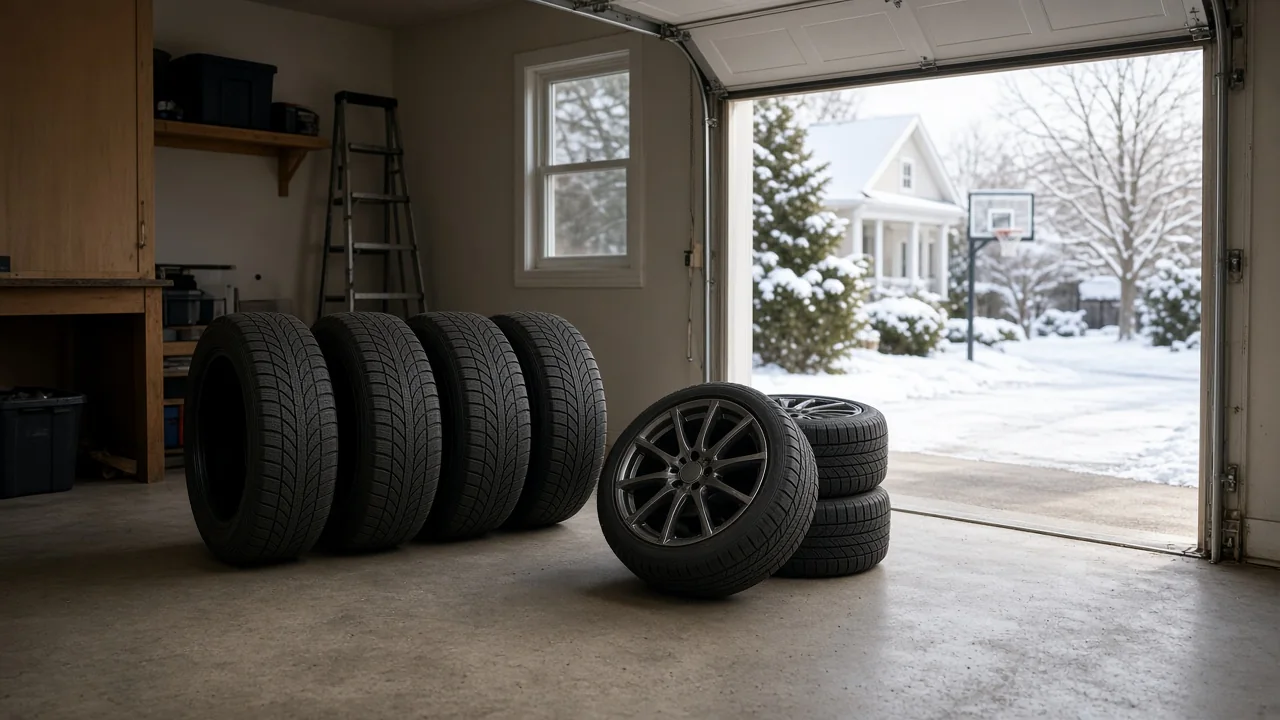
Shoppers comparing the cost for winter tires usually want more than a single sticker number. Winter tires pricing depends on size, brand tier, studs, extra wheels, mounting, seasonal swaps, and storage. This guide explains how much winter tires should cost in broad budget terms, whether they make a difference, and how to decide if you need them for your routes.
Build a Budget for a Complete Installed Set
When you ask how much winter tires cost, start with four matching tires rather than a single unit price. A per-tire quote can look modest until mounting, balancing, taxes, fees, and tire pressure monitoring system service are added to the installed set cost. Broad budget bands exist because size and construction vary widely, so there is no universal expected bill. Treat advertised winter tires prices as a starting range, not a finished invoice.
A useful quote names the exact tire specification, quantity of four, and which services are included. Ask how much you will pay for winter tires as a complete package, including mounting and balancing, valve hardware, disposal of old tires if applicable, and any sensor work. Taxes and shop fees often sit outside the tire line. Comparing winter tires cost this way keeps a low unit price from hiding labor. Confirm the same specification appears on the invoice before you approve the job.
Understand What Shapes the Tire Price
The price for winter tires moves first with required tire size, load capacity, and any vehicle-approved specifications. Larger diameters, higher load ratings, and run-flat or low-profile constructions shrink the product list and often raise the cost of winter tires. Brand tier and construction also matter, yet a higher winter tires price is not proof a tire is the right match. Specialized fitments can sit well above a common passenger size even when both are labeled as winter products.
Studded winter tires add another line to winter tires pricing because the studs themselves, plus any stud installation charges, may be billed separately. Local restrictions and road-surface rules need checking before you treat studs as a default. Asking how much winter tires are in a broad vehicle category is a weak estimate, because two vehicles in the same class can require different sizes and load ratings. A meaningful figure starts from the exact specification on the door placard or owner information, not from a generic vehicle type.
Account for Wheels, Seasonal Service and Storage
How much do winter tires cost in the first season depends on whether you add dedicated winter wheels. You then pay for rims, confirmed fitment, and any required tire pressure monitoring system components at the same time as the tires. That upfront expense can look steep, yet it lets a shop or owner swap complete assemblies instead of dismounting rubber twice a year. Wheel offset, hub bore, and load rating still need confirmation so the winter set does not introduce clearance or sensor problems.
If tires stay on the original wheels, seasonal tire swaps bring recurring mounting and balancing charges each fall and spring. An assembled winter wheel set usually costs less to change over, though shops still charge for the swap, torque checks, and any sensor reset. Paid tire storage, or enough dry, dark home space away from ozone sources, belongs in the same plan. Organize the budget as initial purchase costs versus recurring seasonal expenses rather than expecting a fixed payback period for extra wheels.
Identify the Traction Benefits That Matter
Drivers often ask whether winter tires make a difference. In the cold, snow, and ice they are designed for, the compound stays more flexible, and the tread blocks and sipes bite into packed snow more readily than a typical all-season design. That winter traction can show up in shorter braking distance, stronger acceleration traction from a stop, and more reliable cornering grip. Those are measurable outcomes in principle, yet no single percentage applies to every vehicle, surface, or tread depth.
The same tires make less of a difference on a warm, dry day, because temperature, snow or ice cover, remaining tread, and inflation all change available grip. Underinflated or worn winter tires lose much of the edge the pattern was meant to provide. Ice that has been polished by traffic remains especially demanding. Even a fresh set cannot eliminate sliding or stand in for appropriate speed, following distance, and cautious driving. Treat them as a traction tool, not a guarantee that the road will hold.
Decide Whether Your Driving Calls for Winter Tires
Whether you need winter tires depends on the routes you actually drive, not on a national average. Sustained cold, recurring snow or ice, and hills change how often you rely on winter traction. Required commuting, early departures, and limited road clearing make that grip especially relevant because you cannot wait for the sun. If your typical roads stay wet but rarely freeze, the case is weaker. Match the tire decision to the conditions you cannot avoid.
The ability to postpone trips during hazardous weather is part of the same assessment. Drivers who can stay home on the worst days may budget differently than those who must leave before plows finish. All-wheel drive can help a vehicle start and climb, yet it does not establish adequate braking grip on ice. Check the vehicle guidance for approved winter sizes and any local tire requirements, including rules that affect studded winter tires, before you treat a purchase as settled.
Judge Value Across the Seasons You Expect to Use Them
Whether winter tires are worth it comes down to winter exposure, unavoidable travel, and a seasonal budget you can actually carry. In that frame, figure how much winter tires should cost by taking the installed set plus wheels if you buy them, spreading that amount across the seasons you expect to use the set, then adding each year's service and storage. A household that faces several months of snow has a different value picture than one that sees a few icy mornings.
Seasonal use distributes mileage across tire sets, which can slow wear on each, while age, remaining tread, and overall condition still limit usable life. An annual figure for how much winter tires cost therefore includes storage and seasonal tire swaps, not only the original invoice. Avoid assuming guaranteed savings, crash prevention, or a universal replacement interval. Base the decision on driving needs and actual local quotes for your size, then compare that total with the traction you would otherwise give up.