How to Choose a Windshield Snow Cover
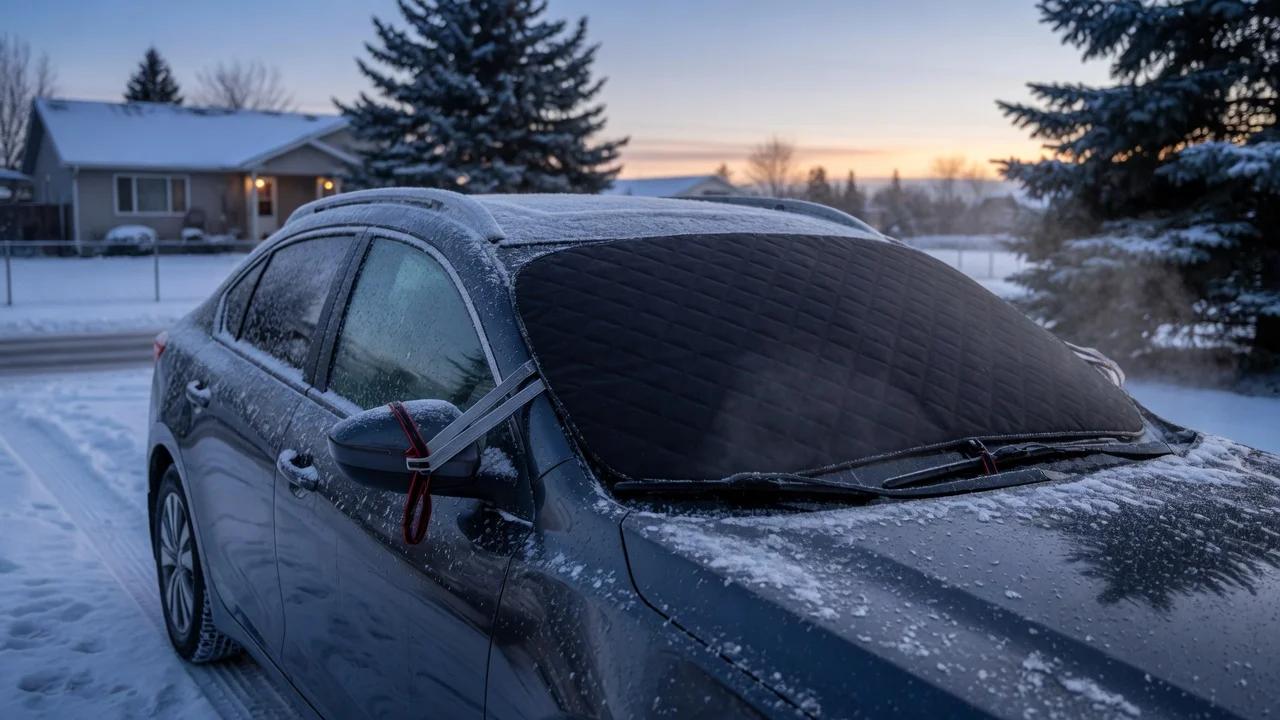
Start with the intended use
A windshield snow cover is a removable winter panel that blocks snow, ice, and frost from collecting on the glass. The goal is usually to cut morning cleanup time and avoid scraping or running the defroster for several minutes. Choose the material, size, and attachment style based on where the car is parked, how often it is used, and the amount of snow or freezing rain typical in the area. A cover that is easy to remove and fold is more practical for daily drivers, while a heavier cover may be more useful for a vehicle that stays parked outside during storms.
Features that matter
Look for a cover made from a water-resistant outer layer with a soft inner surface that will not scratch paint or glass. The cover should extend far enough to cover the windshield and, on some designs, the side mirrors. Attachment methods commonly include straps that close inside the doors, magnetic edges, mirror loops, or flaps that are trapped by the vehicle doors. Door-tucked flaps and mirror loops tend to resist wind better than a panel that only rests on the glass. A compact cover with a storage pouch is easier to keep in the trunk, but do not treat claimed pack size as precise without checking the product dimensions.
Fabric thickness is not a direct measurement of performance. Some thin covers are still effective at preventing ice contact, while a heavier layer may add bulk without improving fit. A dark outer color can absorb some sun and make light frost soften faster, but the main job is to create a barrier between snow and glass. Check whether the cover can be shaken or brushed clean and whether it can dry before being folded to prevent trapped moisture from freezing the layers together.
Check compatibility
Windshield snow covers are generally sold in dimensions matched to the windshield rather than to a specific operating system. The main compatibility checks are vehicle size and the way the doors seal. The cover should not interfere with the wipers, sensors, or trim around the glass. On vehicles with prominent mirror housings or steeply raked windshields, mirror loops may fit differently, so confirm the stated width and the position of the mirror openings. Covers that fold into the door gap require a clean seal; if the door is framed differently, a strap or magnet design may be a better fit.
Power is not required for passive covers, and there is no app or connector to configure. Some covers include a security feature such as door-tucked flaps or a cable lock, but this is not the same as preventing theft. If the car stays outdoors, check the instructions for how the cover should be attached in strong wind and whether the material should be removed before driving. A cover left in place while driving is a safety hazard and can damage the vehicle or the cover.
Build a shortlist
Confirm the windshield width and height against the cover dimensions. Choose an attachment style that will hold in the usual wind and snow conditions. Check that the cover does not interfere with wipers, mirrors, sensors, or door seals. Look for a water-resistant outer layer and a non-scratch inner layer. Pick a size and storage style that is practical to keep in the vehicle. Review care instructions for drying and cleaning before storage.
After the first winter use, check whether the cover stayed centered overnight and whether the attachment points held. If it shifted, the problem is usually width, door fit, or the attachment style rather than material thickness. Return to the checklist and change only the criterion that caused the issue. A cover that fits the windshield, seals cleanly at the doors, and is simple to remove and fold will usually make cold-morning cleanup shorter without adding a new maintenance routine.