How to Care for Matte Car Paint
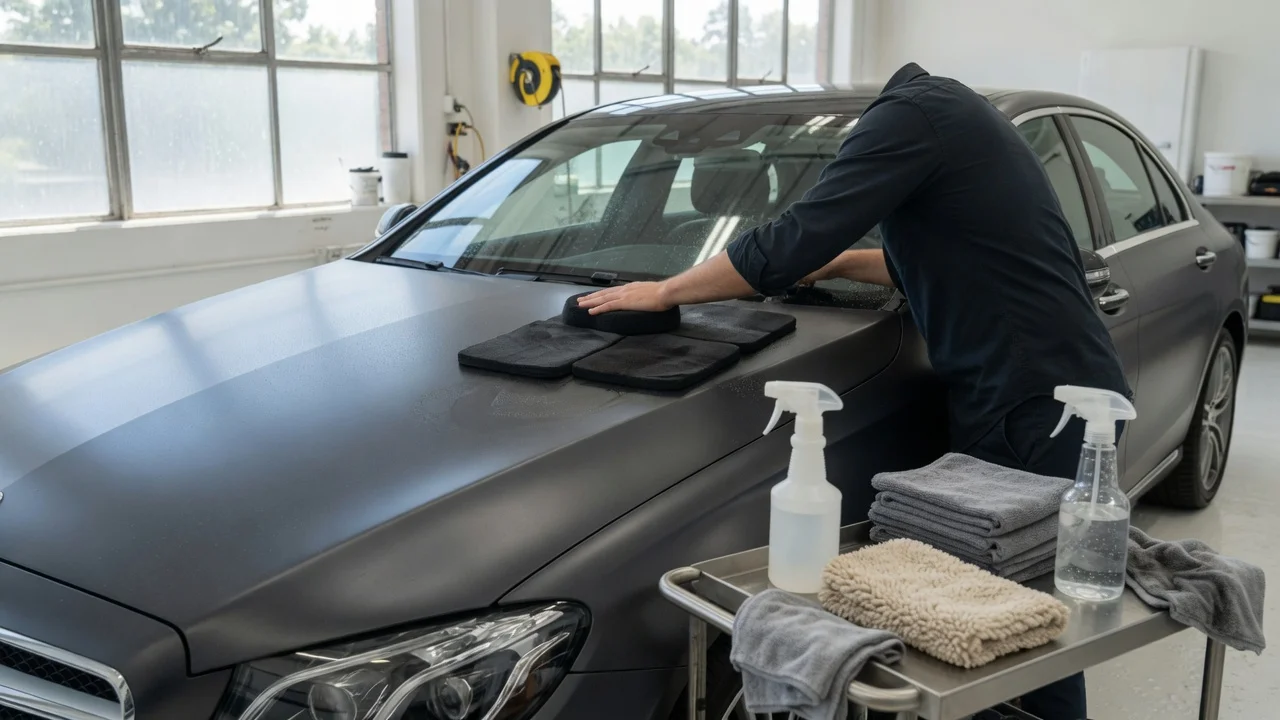
What Matte Paint Needs
Matte paint, also called flat paint, uses a clear coat engineered to scatter light instead of reflecting it. This gives the finish its low-gloss appearance. The essential rule of matte paint care is to avoid anything that polishes, abrades or adds gloss, because once a shiny or scuffed spot appears, it cannot be corrected by buffing. Regular washing with matte-specific or non-gloss soap, gentle drying, and immediate removal of bird droppings, bug residue, fuel spills and tree sap are the core of safe maintenance. The exact clear-coat chemistry varies by manufacturer, so always check the owner's manual or paint-care insert for your specific vehicle before using any product.
Supplies You Need
Two clean wash buckets, ideally with grit guards; A soft microfiber wash mitt or sponge designed for matte finishes; Matte-specific car wash soap or a pH-neutral, wax-free car shampoo; Soft microfiber drying towels; Matte paint sealant or detailer, if recommended by the vehicle manufacturer; A hose with a gentle spray nozzle, or a pressure washer set to low pressure
Step-by-Step Washing
Wash the vehicle in a shaded area when the panels are cool to the touch. Direct sunlight or hot surfaces cause soap and water to dry too quickly, leaving mineral spots or streaks that are difficult to remove from a matte finish.
Rinse the entire car with plain water to lift loose dirt and reduce the risk of scratching. Fill one bucket with matte-safe shampoo mixed according to the label. Fill the second bucket with clean rinse water. Wash one section at a time from top to bottom, using light straight-line motions rather than circles. Circular wiping can create visible swirl marks in matte clear coat. Rinse the wash mitt in the clean water bucket after every panel before reloading it with soap. Rinse the vehicle thoroughly with an open hose or low-pressure spray. High-pressure streams can force water under edges or damage vulnerable matte finishes. Immediately dry the car with clean microfiber towels using blotting or gentle dragging motions. Do not rub aggressively.
Stop and repair the surface before continuing if you notice heavy tar, adhesive or paint overspray. These contaminants usually require a matte-approved solvent or clay treatment specified by the paint manufacturer. Using conventional bug and tar removers, polishing compounds, or regular automotive clay can create permanent glossy patches.
Removing Stains and Contaminants
Bird droppings, insect remains, tree sap and gasoline spills should be removed as soon as they are noticed. These substances can etch matte clear coat quickly, and matte paint cannot be restored by polishing away light etching. Wet a soft microfiber cloth with matte-safe quick detailer or clean water, place it over the spot for a minute to soften the deposit, then lift it gently without scrubbing. For stubborn contamination, use only a cleaner explicitly approved for matte finishes. Any product that says it polishes, restores gloss, removes swirls or contains wax should not be used.
Protecting the Finish
Some matte paints benefit from a dedicated matte sealant or ceramic coating designed for flat clear coats. These products help repel water and reduce staining without adding shine. Check whether your vehicle manufacturer approves a specific sealant before applying anything. A regular wax, polish, glaze or all-purpose ceramic coating can deepen the color and leave uneven glossy areas. If a product does not state clearly on the label that it is safe for matte or satin paint, treat it as incompatible.
What to Avoid
Automatic car washes with brushes or rotating cloth; Polishing compounds, rubbing compounds and paint cleaners; Wax, gloss-enhancing sealants and standard ceramic coatings; Abrasive clay bars, magic erasers or coarse sponges; Buffing machines and orbital polishers; Pressure washers set to a narrow or high-pressure spray pattern; Wiping or drying with towels, chamois or brushes that are not clean and soft
Repairing Damage
Matte paint damage like deep scratches, chips, etching or shiny rub spots cannot usually be fixed by hand polishing. Because the flat appearance depends on an even clear-coat texture, affected panels may need repainting or a new matte clear coat. This is a qualified-service job. Take the vehicle to a body shop familiar with matte finishes, and provide the paint code and any manufacturer paint-care documentation. Some minor scuffs can be reduced with a matte-specific finishing spray approved for your vehicle, but this only masks light surface marks; it does not restore damaged clear coat.
Completion Check
After washing and drying, inspect the surface from several angles in daylight. The finish should look uniformly flat across every panel, with no smeared shine, water spots, streaks or visible swirl lines. If you see a glossy patch, stop using the current product set and consult a matte-paint specialist or the manufacturer's care program. A correctly maintained matte finish should keep its low-gloss, even appearance after every wash, with no gradual brightening of high-touch areas like door edges, hood edges or fuel filler surrounds.