How Is a Car Windshield Attached to the Body?
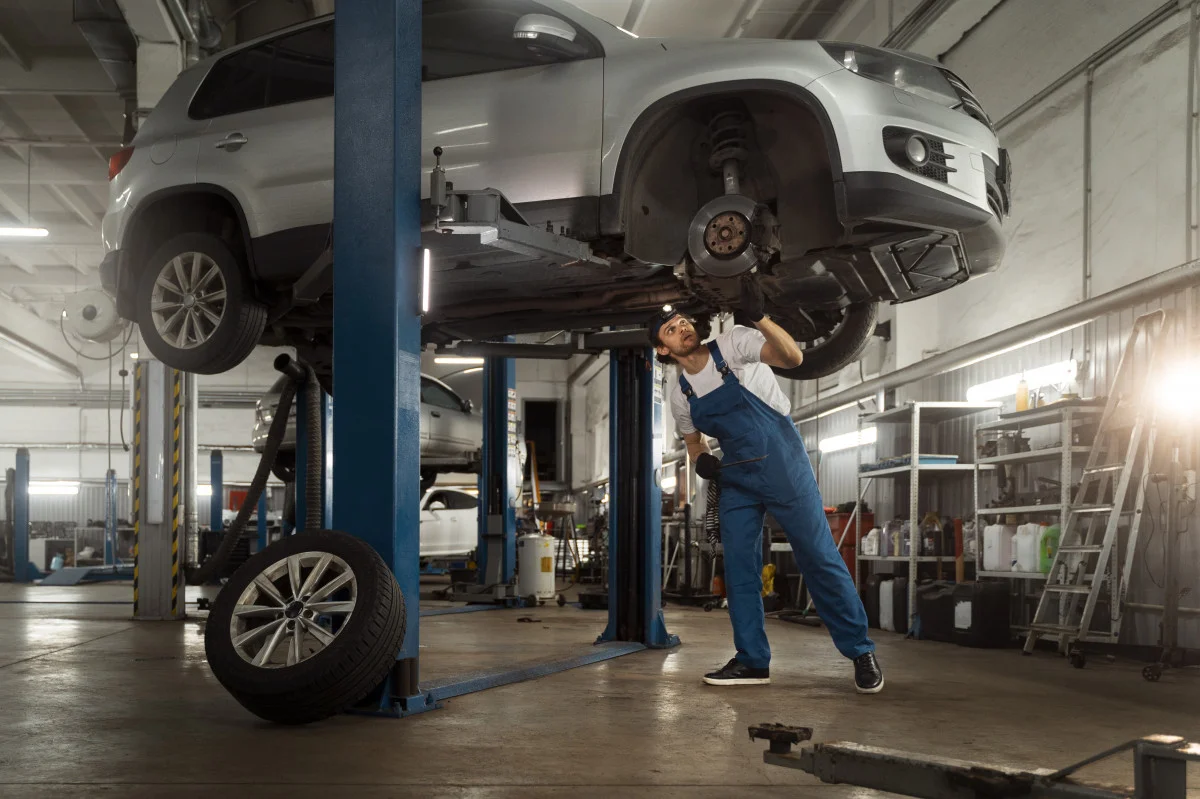
How is a car windshield attached to the body? On most modern vehicles, the laminated glass is bonded with a bead of structural adhesive to a painted metal flange that runs around the opening. Older designs often relied on a rubber gasket instead. Knowing how the bond works helps explain why fit, surface preparation, and curing matter so much.
Glass flange
The windshield opening is framed by a narrow metal ledge, often called the glass flange or pinch weld, where the roof panel, pillars, and cowl are joined. This ledge gives the glass a continuous surface to sit against. It is painted and corrosion protected at the factory because the adhesive grips the coating rather than bare steel. The flange also sets the depth of the glass, so the outer surface lines up with the roof and pillars to manage wind noise and water flow.
From outside, the flange is mostly hidden. A dark ceramic band printed around the edge of the glass, usually called the frit, covers the bonding area and shields the adhesive from sunlight. Some vehicles add exterior moldings, cowl covers, or pillar trim that conceal the edge entirely, while others leave the glass edge exposed with a slim gap. Flange width, the use of spacers or locating pins, and trim design differ by make and body style, so the details depend on the specific vehicle.
Urethane bond
The adhesive that holds the glass is typically a moisture-curing polyurethane, commonly called urethane. It is applied as a tall, continuous bead, and when the glass is pressed into place the bead compresses to fill the space between glass and flange. Once cured, it stays slightly flexible, like a firm rubber, which lets it absorb vibration and the small twisting movements of the body. It also seals the opening against water and air in a single step, which is why separate gaskets are rarely needed.
The bond does more than keep rain out. On many vehicles the windshield contributes to body stiffness and roof support, and it can serve as a backstop for the passenger airbag as it deploys. That is why bead height, continuity, and adhesion matter. Primers are often used on the glass and on any scratched areas of the flange to promote grip and protect against corrosion. Adhesive type, primer requirements, and curing behavior vary by product and by vehicle maker's specifications.
Replacement care
When a windshield is replaced, the old glass is cut free and most of the original urethane is trimmed down, usually leaving a thin layer on the flange. Fresh adhesive bonds well to that clean, sound base. Trouble starts when the paint is gouged to bare metal and left untreated, because rust can creep under the bead and weaken the bond over time. Clean hands, uncontaminated glass, and the correct primer sequence all influence whether the new bond matches the factory one.
After installation, the adhesive needs time to gain strength before the vehicle is driven. The safe waiting period depends on the product, temperature, and humidity, so the installer's stated time should be followed rather than guessed. Many shops advise avoiding high-pressure car washes and slamming doors for a short period afterward. On vehicles with cameras or sensors mounted behind the glass, driver assistance systems may need calibration after replacement, and requirements differ by manufacturer and equipment level.
Everyday Use and Observations
In daily driving, a sound bond is essentially invisible. The glass sits evenly in the opening, the gaps to the pillars and roof look consistent from side to side, and the cabin stays quiet and dry. Moldings lie flat without lifting at the corners. Looking through the frit band from outside, some vehicles show a faint outline of the adhesive bead, which is normal. A windshield that sits noticeably higher on one side, or trim that will not seat, may suggest a fit problem.
Signs worth noting include a new whistle or rushing sound at highway speed, damp carpet or headliner after rain, fogging that starts along the glass edge, or a creak from the pillar area over bumps. None of these proves the bond has failed. Water can enter through clogged sunroof drains, door seals, or cowl seams, and wind noise can come from mirrors or loose trim. These observations are clues that help a technician narrow down where to look.
Limits and Next Steps
There are limits to what an owner can judge from the driver's seat. The bead is hidden behind trim and the frit, so adhesion, coverage, and flange condition cannot be confirmed by looking. Pressing hard on the glass or prying at moldings to test the bond risks damage and proves little. Older vehicles and some trucks or classics may still use rubber gasket mounting, which behaves and ages differently, so advice written for bonded glass does not always carry over.
If a leak, noise, or visible gap appears, a qualified auto glass shop can perform a controlled water or air leak test and inspect the edges properly. After a collision or roof damage, the opening itself may need measuring before new glass will fit correctly. Service information for the specific vehicle indicates which adhesive, primers, and calibration steps apply. Keeping the replacement invoice and noting when symptoms began gives the shop useful context, particularly when warranty coverage on the installation might apply.