What Is a Windshield Molding?
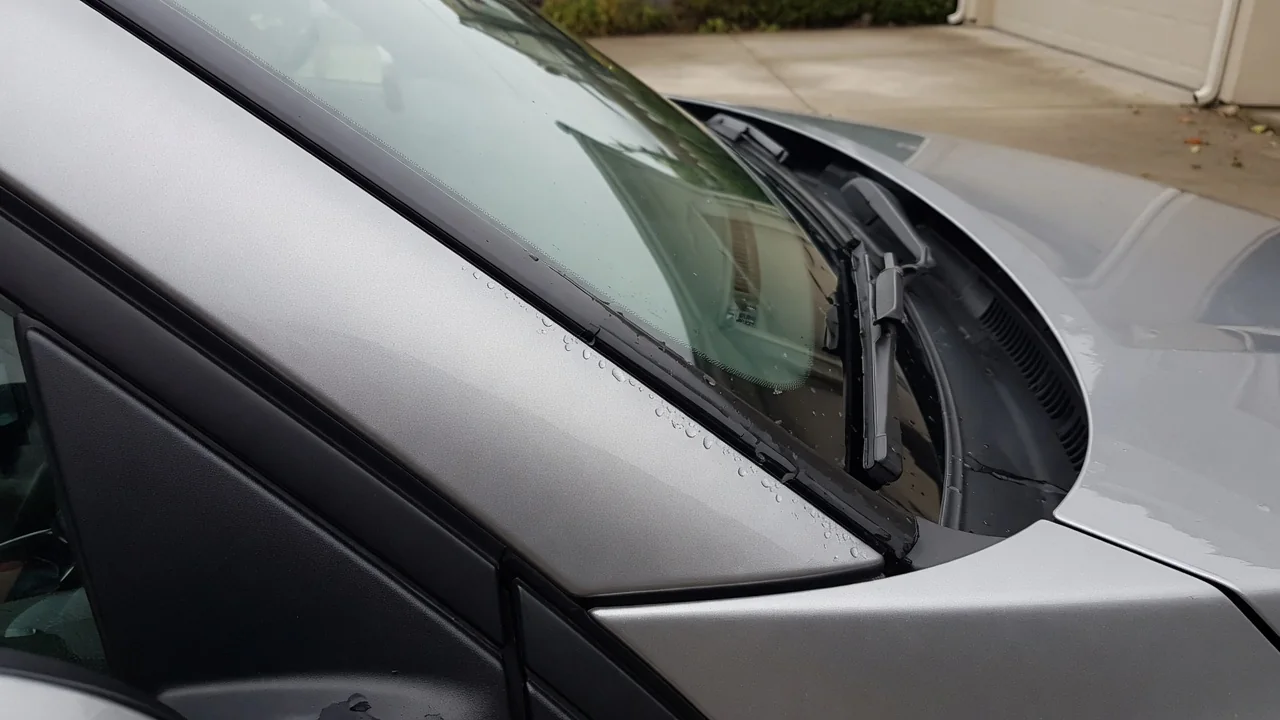
Anyone who has looked closely at the edge of a car's front glass has seen a narrow strip of rubber or plastic framing it. That strip prompts a common question: what is a windshield molding, and does it actually do anything? The short answer is that it is trim surrounding bonded glass, and its job blends appearance with a modest amount of protection.
Cosmetic and protective roles
On most modern vehicles the windshield is held in place by a bead of urethane adhesive that bonds the glass to a metal flange in the body opening. The molding sits over or beside that joint, covering the gap between the glass edge and the painted body. Without it, the opening would show a rough adhesive line and an uneven channel. The trim gives the glass a clean, finished border that matches the roof and pillar lines the designers intended.
The protective role is real but often misunderstood. The molding helps steer rainwater and wash water along the pillars, keeps leaves and grit from packing into the channel, and shields the adhesive bead from direct sunlight, which can degrade exposed urethane over time. It can also smooth airflow at the glass edge, reducing wind noise. On a bonded windshield, however, the adhesive is usually the primary water seal, so the molding supports the seal rather than serving as it.
Loose trim
Trim that has come loose is usually easy to spot. A corner may lift away from the glass, a section along the roof may ripple or sag, or the strip may flutter visibly at highway speed. Drivers often notice a new whistle or buzzing sound first, since a raised edge disturbs the air passing over the pillar. Older rubber can also shrink, leaving gaps at the corners, or turn chalky, hard and cracked after years of heat and ultraviolet exposure.
Loose molding does not automatically mean the windshield is leaking or poorly bonded, because the trim and the adhesive are separate things on many designs. Still, it deserves attention. A lifted section can trap moisture and debris against the body flange, where paint chips may eventually rust, and a strip that detaches at speed can become a hazard to other traffic. How the trim is retained varies widely, from push-in clips to adhesive tape to a channel molded onto the glass edge.
Replacement fit
When trim is replaced, fit depends heavily on the vehicle. Some moldings are universal profiles cut to length and pressed around the glass perimeter, while others are shaped specifically for one body style, with formed corners and exact clip locations. Certain windshields come with the molding already attached to the glass as an encapsulated edge, meaning the trim cannot be purchased or installed separately. Confirming which design a particular vehicle uses is the first step before ordering anything.
A well-fitted molding sits flush against both glass and body, follows the curve of the corners without bunching, and shows an even gap along the pillars. Poor fit shows up as waves, raised ends, or corners that will not stay seated. Many installers replace the molding whenever the windshield itself is replaced, because old trim often distorts or tears during removal. Whether a strip can be changed without disturbing the glass also varies, so it is worth asking a glass shop before assuming either way.
Everyday Use and Observations
Day to day, the molding takes more abuse than most owners realize. Automatic car washes drag brushes across it, ice scrapers catch its edge, and pressure washers aimed directly at the seam can lift a marginal section. Parking outdoors exposes it to constant sun, which dries rubber and fades plastic. A quick look while washing the vehicle is enough to catch early changes, such as a corner beginning to curl or a section that moves when pressed gently with a fingertip.
What you see will differ from one vehicle to another. Some cars have a thick, obvious rubber surround, while others use a slim strip only along the top edge, and some newer designs leave the glass nearly flush with almost no visible trim at all. Side pillar moldings may be separate painted or black plastic pieces that double as rain channels. Knowing what is normal for your vehicle makes it easier to recognize when something has shifted, discolored or gone missing.
Limits and Next Steps
It helps to be realistic about what the trim can tell you. Water appearing inside the cabin near the dashboard or headliner may come from the adhesive bond, a clogged sunroof drain, a body seam or a cowl problem rather than the molding. Pressing sealant over a loose strip rarely solves a true leak and can hide the real source. Likewise, a cosmetic flaw in the trim says little about how securely the glass is bonded underneath it.
Because a bonded windshield contributes to body stiffness and supports proper airbag deployment on many vehicles, anything involving the glass edge is best handled with care. Prying at the trim with tools risks chipping the glass or scratching the flange paint. If the molding is lifting, noisy or damaged, a qualified auto glass technician can identify the retention method and whether the strip alone can be renewed. Mention any driver assistance camera behind the glass, since related work may require calibration afterward.