How Fast Can You Drive With Snow Chains? Speed Limits and Safe Road Use
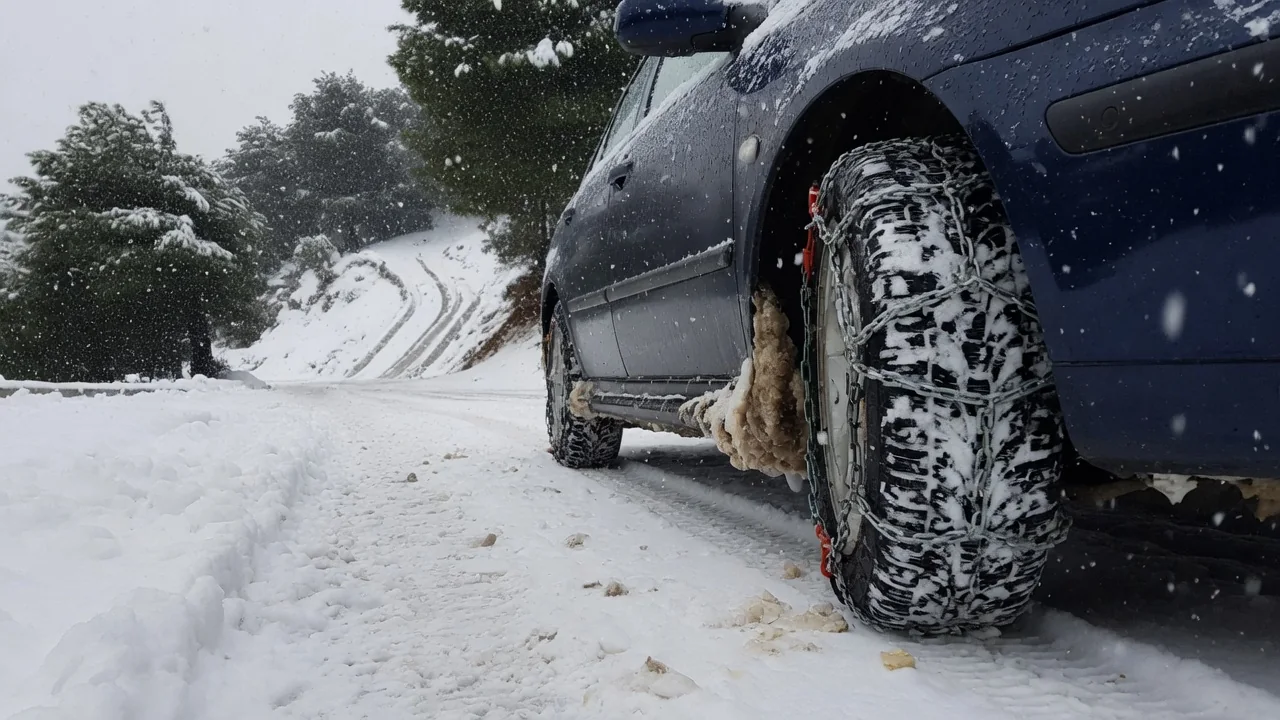
Snow chains turn a slick mountain pass into a manageable drive, but they also change how quickly a vehicle can safely travel. Anyone asking how fast can you drive on snow chains needs more than a single number, because the answer depends on the chain's own rating, the road, and the conditions. This guide explains the limits and the habits that keep chained tires working.
How Fast You Can Drive With Snow Chains: The Short Answer
Snow chains are a low-speed traction aid, not a way to keep normal pace in winter weather. The maximum speed printed by the chain maker is the limit to follow when deciding how fast you can drive with snow chains. Many chain products list a ceiling of around 30 mph, or about 50 km/h, yet that figure is only a general reference. The chain speed rating on your own set's packaging or instructions always overrides it.
The posted road speed limit and the chain rating are separate limits, and whichever is lower applies. A highway signed for a higher speed does not make the chains capable of it, and a reduced limit posted in a chain control zone still binds a driver whose chains are rated higher. Conditions often call for much less than either figure. On icy roads, steep grades or in poor visibility, driving well below the rated maximum is the sensible choice.
Where to Find the Speed Rating for Your Chains and Vehicle
The rated maximum speed is usually printed on the chain packaging and repeated in the instruction leaflet, and some sets carry markings on the chain itself or on the tensioner. Keep the leaflet with the chains so the figure is on hand at the roadside. The vehicle owner's manual is the second source to read. It may say whether tire chains are allowed at all, which axle they belong on, and whether there are clearance or speed notes for the vehicle.
A speed rating only means something if the chains actually fit. Compare the tire size molded into the tire sidewall with the sizes listed for the chain set, because a chain that is too large cannot be tensioned properly and one that is too small may not seat across the tread. If no rating or vehicle guidance can be found, contact the chain maker or the dealer rather than guess. An assumed limit borrowed from another product is not a safe substitute.
Why Driving Too Fast on Snow Chains Causes Problems
As wheel speed rises, the forces pulling each chain link outward from the tire grow sharply, and every link also strikes the road more often and harder. That load can work slack into the chain, stress the connectors, and eventually break a link or throw the chain off the tire entirely. A loose or broken chain does not simply fall away. It can whip against the wheel well, brake lines, suspension parts or body panels, turning a traction problem into a mechanical one.
Chains also change how the vehicle responds. Steering can feel heavier and less precise, and braking behaves differently because the tire is riding on steel cross links rather than rubber alone. Stopping distance on snow-covered roads remains far longer than on dry pavement even with chains fitted, so cornering and braking need extra margin that higher speed takes away. Faster driving also accelerates wear on both the chain links and the tire tread beneath them, shortening the life of each.
Driving on Bare or Mixed Pavement With Chains Fitted
Chains are designed to bite into snow and ice. On dry or wet pavement there is nothing for the links to dig into, so the tire rides on hard steel that grips poorly and wears quickly. Slow down further when crossing patches of bare road, since braking and cornering grip can be worse there than expected. Once the road is consistently clear, pull into a safe place away from traffic, such as a designated chain-up area, and take the chains off.
The vehicle usually tells you when chains have outlived their usefulness. Loud clatter, steady vibration through the steering wheel and a rough, jarring ride on pavement are signs the surface no longer needs them. Local chain control rules still take priority over that judgment. Authorities can require traction devices on certain roads or for certain vehicles regardless of how the surface looks at a given moment, so follow posted requirements until you have passed the end of the controlled section.
Driving Technique That Keeps Chained Tires Working
Smooth inputs keep chains intact and effective. Accelerate gently so the drive wheels do not spin, because a spinning chained tire can snap links, tear at the tread and gouge the road surface. Brake early and lightly, and leave a much longer following distance than you would in ordinary winter driving. The vehicle ahead may stop more abruptly than you can, and chains improve grip without restoring anything close to dry-road braking performance.
Steering should be gradual, with speed reduced before a curve rather than in the middle of it. Downhill grades deserve particular care, since gravity adds to the momentum the chains must control; a lower gear helps hold speed without heavy braking. Anti-lock brakes, traction control and stability systems still work with chains fitted and may intervene noticeably. They manage the grip available but cannot create more, so they do not raise the safe speed on chains.
Checking Fit and Tension After You Start Driving
Chains settle onto the tire during the first rotations, which is why many chain instructions call for stopping to re-tension them after a short distance at low speed. Follow the interval given for your set. Once parked well off the road, walk around and look from outside the vehicle. Check for slack links hanging away from the tread, a chain wrapped unevenly across the tire, shiny contact marks inside the wheel arch, and any bent, cracked or missing links.
While driving, listen and feel for changes. Rhythmic slapping, a new metallic noise or a vibration that was not there earlier suggests the chain tension has been lost or a link has failed. Slow down, stop in a safe spot and inspect before going further. Do not continue on a damaged chain, since the remaining links are carrying loads they were not meant to bear. If anything struck the vehicle, have a professional inspect the brakes, suspension and wheel well.
When Chains Are the Wrong Tool for the Trip
Long stretches of clear highway at normal speed are not suited to driving with chains, so a trip that is mostly bare road calls for a different plan. Check road condition reports before setting out, and consider adjusting the route or departure time around chain control areas. Sometimes waiting for plows is faster overall than crawling for miles. Where the requirements permit them, winter tires or other approved traction devices may suit mixed conditions better.
Some vehicles have limited wheel well clearance, leaving little room between the tire and the suspension, brake components or bodywork. Read the owner's manual before buying or fitting chains, because the manufacturer may restrict their use or specify a particular low-profile type. Practice installation at home, in daylight and on dry ground, before the first storm. Familiarity lets you fit and remove chains quickly when conditions change, which makes it far easier to use them only where they belong.