How Does Interior Color Affect Perceived Cabin Space?
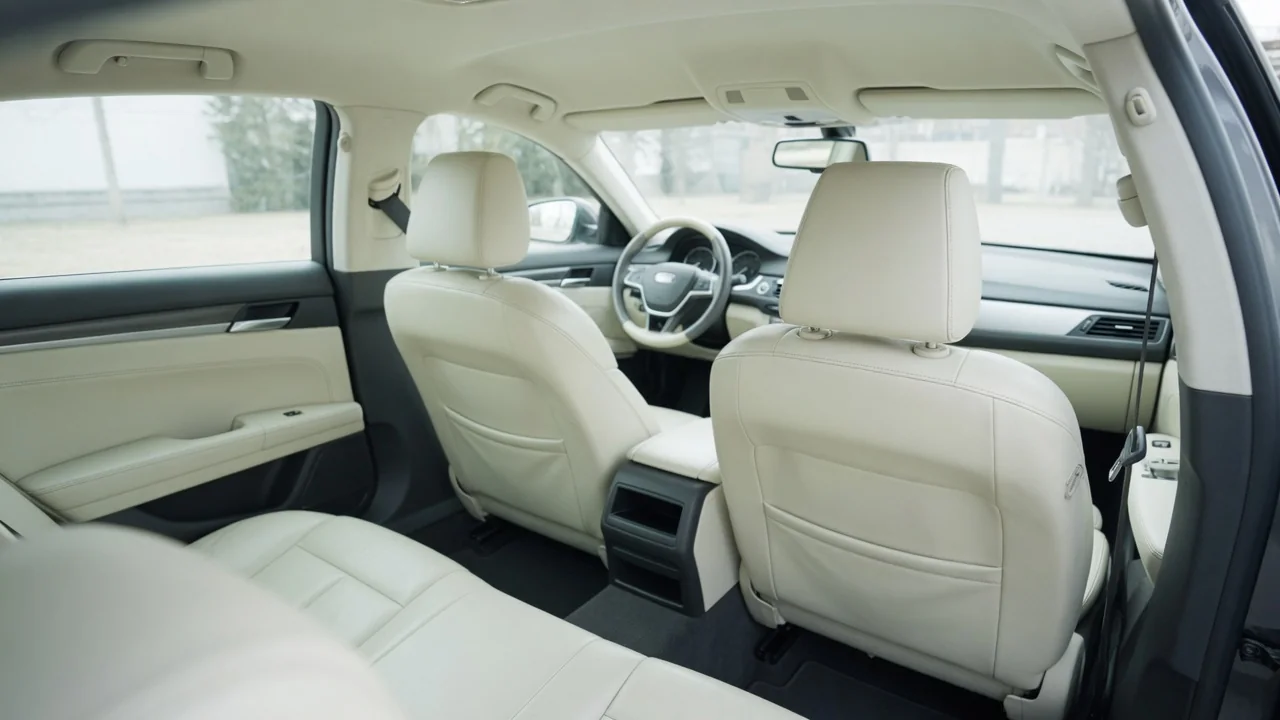
Interior color does not change a cabin's actual dimensions, but it can change how roomy the space feels. Light upholstery and trim tend to reflect more light and make surfaces appear to recede, while dark materials absorb light and can make panels feel closer. The effect depends on contrast, lighting, and how the cabin is used day to day. This guide explains the general mechanisms behind light and dark car interior perception, along with the sun and cleaning trade-offs that come with each choice.
Visual contrast
The main reason color influences perceived cabin space is how the eye reads surfaces and edges. Lighter colors reflect more of the available light, so the headliner, pillars, door panels, and seats appear brighter and less visually heavy. Bright surfaces with soft transitions between them make it harder to judge exactly where one panel ends and another begins, which can give the impression that the boundaries of the cabin sit farther away. Dark interiors absorb more light, so surfaces tend to read as solid, defined planes that seem closer to the occupant. Many people describe dark cabins as snug or cocooning and light cabins as open or airy, although this is a perception rather than a measurable change in room.
Contrast between adjacent parts matters as much as the overall shade. A cabin with a dark lower dashboard and a lighter upper section, or dark carpets paired with a light headliner, divides the space into horizontal bands. Designers often use this layering to keep the area around the windshield and instrument panel subdued while lifting the upper part of the cabin. Contrast lines that run horizontally across the dashboard and doors can emphasize width, but busy patterns, frequent material changes, or high-contrast stitching can also add visual clutter that makes a cabin feel more crowded.
The headliner and pillars deserve special attention because they frame the occupants' view. A light headliner tends to reflect light coming through the windows and any glass roof, brightening the whole space. A dark headliner, often chosen for a sporty look, lowers the visual ceiling and can make the cabin feel more enclosed, especially in the rear seats. Window size, glass tint, and roof design all interact with these choices, so the same color scheme can feel different from one body style to another.
Sun exposure
Sunlight changes how interior color behaves, both visually and physically. In bright conditions, a light interior can feel even more open because it spreads incoming light around the cabin. The trade-off is glare: pale surfaces on top of the dashboard can reflect sunlight into the windshield, creating distracting reflections on the glass. This is one reason dashboard tops are commonly finished in darker, low-gloss materials even in cabins that are otherwise light in color. Gloss level and texture matter here as well, since a matte grained surface scatters light more than a smooth or glossy one.
Heat is the other side of sun exposure. Dark materials absorb more solar energy, so dark seats, steering wheels, and trim generally get hotter to the touch after a car sits in direct sun. Light materials tend to stay somewhat cooler at the surface, though overall cabin air temperature depends heavily on glass area, tint, ventilation, and parking conditions rather than upholstery color alone. A hot, stuffy cabin can feel more confining regardless of its color, so thermal comfort affects perceived space indirectly.
Long-term exposure also affects appearance. Ultraviolet light and heat can fade dyes, dry out leather, and cause some plastics to change tone over time. Fading may be more noticeable on certain dark or saturated colors, while light materials can show yellowing or uneven discoloration. Either outcome can make an interior look tired and patchy, which undermines the clean, uniform surfaces that help a cabin feel open. Sunshades, window film where permitted, and regular conditioning of suitable materials help slow these changes.
Cleaning
How a color looks after months of use shapes how spacious it continues to feel. Light upholstery, carpets, and headliners show dirt, denim dye transfer, food spills, and scuffs more readily. Once stains accumulate, the uniform bright surfaces that create an airy effect become visually broken, and the cabin can start to look smaller and more cluttered. Owners who choose a light interior for its open feel usually need to clean it more often to keep that benefit.
Dark interiors hide many stains and general grime, but they are not maintenance free. Dust, lint, pet hair, salt residue, and light-colored debris stand out against black or deep gray surfaces, and dried water marks can be visible on dark leather or plastic. Glossy dark trim, often called piano black, is especially prone to showing fingerprints and fine scratches. Medium tones such as gray or taupe are often viewed as a compromise because they mask both dark stains and light dust reasonably well.
Material type affects cleaning as much as color. Coated leather and many synthetic leathers wipe clean more easily than fabric, while textured fabrics can trap dirt in their weave. Using cleaners suited to the specific material, testing them on a hidden area first, and following the owner's manual guidance helps avoid discoloration that would spoil the look of either a light or dark cabin.
Practical implications and limits
For someone choosing a car or configuring an interior, color is one of several tools that influence how roomy a cabin feels, but it cannot overcome actual dimensions, seating position, or window layout. A compact car with a light interior still has compact headroom and legroom. The perception effect is generally most noticeable in smaller cabins and in vehicles with generous glass areas, where daylight has more surfaces to bounce off. It matters less in cars driven mostly after dark, when interior and ambient lighting design dominate how the space reads.
Individual perception varies. Some people find dark cabins focused and secure, while others find them heavy; some find light cabins welcoming, while others worry about upkeep. A sensible way to judge is to sit in the actual vehicle in daylight, look at the rear seat as well as the front, and weigh typical use: children, pets, work clothing, and local climate all shift the practical balance. Because combinations of materials, finishes, and lighting differ widely among manufacturers and trim levels, general guidance about light and dark interiors is a starting point rather than a rule for any specific model.