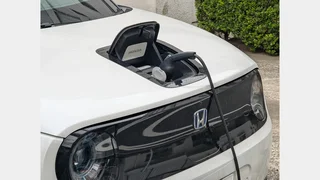
Honda square car
The phrase “Honda square car” usually points to a boxy, upright Honda model rather than a single official nameplate. Shoppers often apply it to tall hatchbacks, compact MPVs, or kei-style designs whose cabin prioritizes visibility and cargo room over a sleek profile. Understanding the term requires looking at body style, model generation, and market specification, because the same vehicle can wear different names in other regions. A squared-off shape affects parking ease, headroom, interior packaging, and how the car feels in crosswinds or tight city spaces.
Essential answer
“Honda square car” is best understood as a descriptive search term, not a confirmed standalone model sold under that exact badge in the US. It typically refers to Honda designs with a tall roofline, near-vertical rear glass, and a relatively upright stance. Depending on the model generation and market specification, candidates include small multi-purpose vehicles sold overseas, boxy kei cars, or older tall wagons that never used the “square” name on the American window sticker. The exact answer changes with the shopper’s region and the body style shown in the photo or listing they are trying to identify.
When someone searches the term, they are usually trying to match a distinctive silhouette rather than recall a formal trim level. A boxy Honda can come from several product lines with different powertrain configurations and interior layouts. Because Honda has sold tall city cars and compact MPVs in Japan, Europe, and other markets, a vehicle seen online may have no direct US equivalent. Checking the model year and the shape of the rear side window or sliding-door setup is often more useful than relying on the word “square” alone.