Honda Civic Inner CV Joint
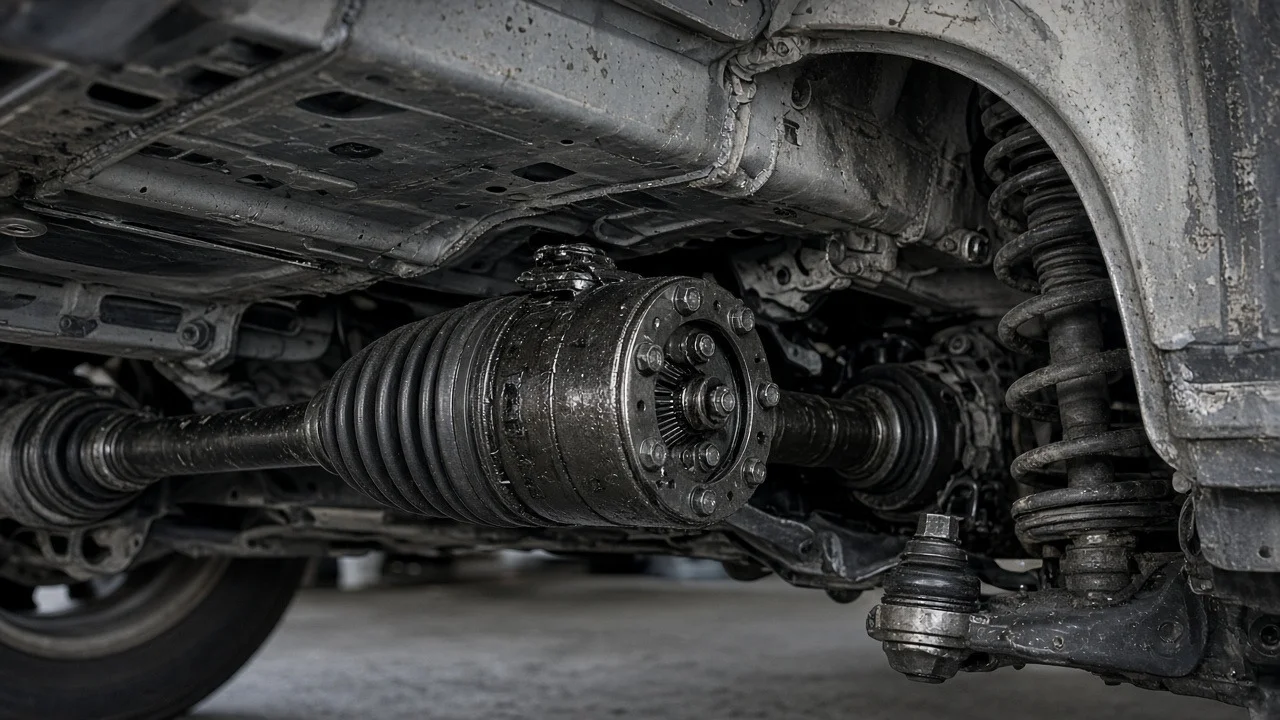
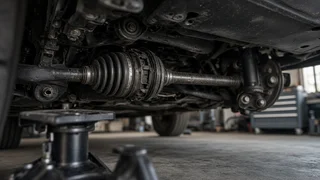
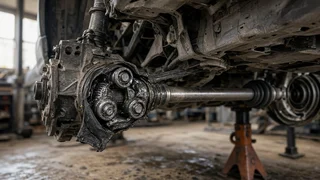
Choosing a Honda Civic inner CV joint means looking beyond the part number to how the joint transmits torque while the suspension moves. This inboard joint sits between the transmission and the axle shaft, accommodating plunge and drivetrain loading while the outboard joint handles most steering angles. Wear, torn protective boots, and loose spline fit can all change how the car drives. The replacement decision usually comes down to buying a complete axle shaft assembly, a new joint, or a remanufactured unit that fits the Civic application.
The direct answer
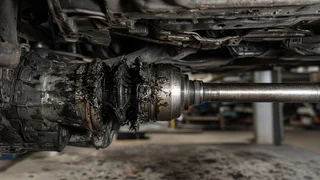
For most Civic owners, the practical answer is to replace the complete axle shaft assembly when the inner joint is noisy, loose, or has thrown grease from a failed boot. A new or professionally remanufactured assembly addresses worn joint articulation, damaged retaining clips, and questionable spline fit in one step. This is usually the most straightforward path for a daily driver because it avoids mixing a fresh joint with a worn shaft or an outer joint that may fail soon.
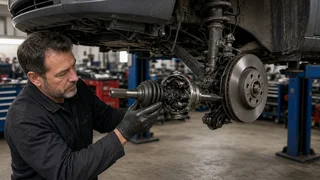
A separate inner CV joint can be the right choice when the axle shaft is known to be good and the damage is isolated to the inboard joint. That approach requires careful confirmation of year, engine, and transmission application, because Honda used different spline counts and joint styles across Civic generations. If the joint is being replaced to cure a clicking or vibration complaint, inspect the protective boot, the mating splines on the axle shaft, and the condition of the retaining clip before deciding that the joint alone is the cause.