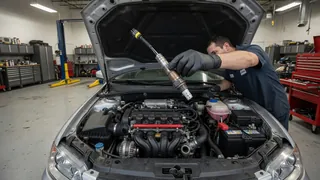
High octane fuel mixture
Mixing gasoline grades at the pump is a practical way to change the octane rating in your tank, but it is not a precise fuel specification. Drivers often wonder whether blending premium with regular creates a useful high octane fuel mixture or simply wastes money. The answer depends on how octane rating works, what your engine actually requires, and how ethanol blends affect the result. Understanding fuel labeling, manufacturer approval, and fuel system compatibility helps you decide when blending is sensible and when selecting a single recommended grade is the better choice.
Essential answer
Yes, you can mix gasoline grades to adjust octane, and the resulting mixture will generally fall between the two ratings in proportion to the amounts blended. Octane rating measures a fuel's resistance to knock, or uncontrolled combustion, under heat and pressure. When regular 87-octane and premium 91- or 93-octane fuels are combined in a tank, the resulting anti-knock performance moves toward a weighted average, though fuel labeling does not guarantee an exact linear result because additive packages and seasonal blends vary.
Blending allows drivers to create a mid-grade approximation when a station lacks the desired pump selection, but it is not the same as a certified fuel specification. Ethanol blend content can shift the final octane because ethanol itself has a high octane rating, and the ratio of regular to premium determines how much of that component is present. For engines that merely recommend premium, a carefully blended mix may reduce knock tendency, but manufacturer approval should guide whether this practice is appropriate for a specific vehicle and its fuel system compatibility.