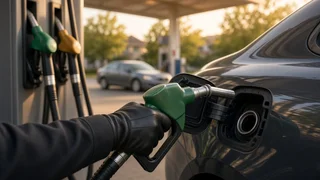
High-Octane Gas: Does Your Car Need It?
The Short Answer
Your car needs high-octane gasoline only if its manufacturer requires it. If the owner's manual calls for regular fuel, premium gives no meaningful benefit. If the manual says premium is required, use it. If it says premium is recommended, regular is usually acceptable, though performance and efficiency may be slightly lower. The deciding factor is your specific vehicle, so the model year, engine and market version all matter.
What Octane Actually Measures
An octane rating measures how well a fuel resists knock, also called detonation. Knock happens when part of the air-fuel mixture ignites on its own before the spark-triggered flame front reaches it. The result is a pinging or rattling sound and, if it is severe or persistent, extra stress on engine parts. A higher octane number means the fuel tolerates more heat and pressure before it ignites on its own.
Octane is not a measure of energy content or cleanliness. A higher-octane fuel does not inherently burn hotter, hold more energy or clean an engine better. Detergent content is a separate property and varies by fuel brand rather than by octane grade.
US pumps display the Anti-Knock Index, often printed as (R+M)/2, which is the average of two laboratory test methods. Regular, midgrade and premium are the usual grade names. The exact number assigned to each grade can differ by region, so compare the number on the pump with the number in your owner's manual rather than relying on the grade name.
Why Some Engines Need Premium
Engines with high compression ratios, turbochargers or superchargers create more heat and pressure inside the cylinders. That makes knock more likely, so engineers may design them around higher-octane fuel to get their rated output and efficiency. An engine designed for regular fuel does not create conditions that call for extra knock resistance, which is why premium does not unlock additional power in that engine.
Required, Recommended or Regular: What Each Label Means
Manufacturer guidance | What it means | Practical takeaway; Regular fuel specified | The engine is designed and tuned for regular-grade octane | Premium offers no meaningful gain; buy regular; Premium recommended | The engine can adapt to lower octane, but it is tuned for best results on premium | Regular is generally acceptable, with a possible small loss in power or fuel economy, especially under heavy load; Premium required | The engine is designed to operate on higher-octane fuel | Use the specified octane; lower grades risk reduced performance and possible engine damage, and could matter for warranty purposes
What Happens If You Use a Lower Grade Than Specified
Most modern engines have knock sensors. When they detect knock, the engine control unit retards ignition timing to protect the engine. This usually prevents immediate harm, but it reduces power and can reduce fuel economy. In an engine that requires premium, regularly using lower octane leaves less margin for error. Persistent knock under heavy load, such as towing, climbing steep grades or driving in high heat, can contribute to engine damage over time. If you hear sustained pinging, switch to the specified grade and have the engine checked if the noise continues.
A single accidental tank of regular in a premium-required car is generally not an emergency. Driving gently until the next fill-up with the correct grade is a common precaution, but your owner's manual is the authority for your specific vehicle.
How to Check What Your Car Needs
Read the fuel section of the owner's manual, which states the minimum octane and whether premium is required or recommended. Look at the label inside the fuel-filler door or near the fuel cap, where many manufacturers print the required grade. Confirm that the manual matches your exact model year, engine and trim, since different engines in the same model line can have different fuel requirements. If you cannot find the information, contact a dealer service department with your vehicle identification number.
Evidence Limitations
This guide is based on general principles of how octane ratings and engine knock work. No vehicle-specific specifications, test results, fuel prices or manufacturer statements were available for it, so it cannot say whether any particular model needs premium or how much performance changes on regular. For those details, rely on your vehicle's owner's manual and the manufacturer's published guidance.
Bottom Line
Buy the octane grade your manufacturer specifies. If premium is required, treat it as a requirement. If it is only recommended, regular is a reasonable choice when you accept a possible small trade-off in performance. If your car is designed for regular, spending more on premium does not make it run better.