What High-Octane Petrol Means
The short definition
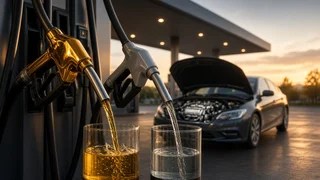
High-octane petrol, usually called gasoline in the US, is fuel with a higher octane rating. A higher rating means the fuel better resists knock, which is the uncontrolled self-ignition of the fuel-air mixture inside an engine's cylinders. The rating measures how much heat and pressure the fuel can take before it ignites on its own. It does not measure energy content, cleanliness or overall fuel quality.
At US pumps, high-octane fuel generally means the premium grade. Regular is commonly rated 87, midgrade around 89 to 90, and premium around 91 to 94. Grades vary by retailer and region, and some high-altitude areas sell regular with a lower rating.
One qualification changes the answer for many drivers. Higher octane only helps an engine that is designed for it or calibrated to take advantage of it. In an engine specified for regular fuel, premium generally brings no meaningful benefit.
What knock is and why octane matters
In a petrol engine, the spark plug ignites the compressed fuel-air mixture, and a flame front spreads across the combustion chamber. As the flame advances, it raises pressure and temperature in the mixture that has not yet burned, known as the end gas. If the end gas gets hot enough to ignite by itself before the flame reaches it, the separate ignition creates sharp pressure waves. Drivers may hear these waves as pinging or knocking. Sustained, severe knock can damage pistons, rings and other internal parts.
Engines with high compression ratios, turbochargers or superchargers produce higher cylinder pressures and temperatures. Those conditions make knock more likely, so many performance and turbocharged engines are specified for premium fuel. Higher-octane fuel lets them run more advanced ignition timing and higher boost without knocking. That is where their designed power and efficiency come from.
How octane ratings are measured
Octane is measured in a standardized laboratory test engine. The fuel's knock resistance is compared with reference blends of isooctane, which is assigned 100, and n-heptane, which is assigned 0. There are two main test methods. The Research Octane Number (RON) uses milder operating conditions. The Motor Octane Number (MON) uses harsher conditions and gives a lower result for the same fuel.
US pumps show the Anti-Knock Index, which is the average of RON and MON and is often labeled (R+M)/2. Many other markets post RON alone, so the same fuel shows a higher number abroad than it would on a US pump. A higher number on a foreign pump therefore does not by itself mean more knock-resistant fuel. Always compare ratings that use the same method.
Refiners reach higher octane ratings by blending components that resist knock. Ethanol, which is commonly blended into US gasoline, has a high octane rating and adds to the finished fuel's rating.
What high-octane fuel does not do
It does not contain more energy. Octane describes resistance to knock, not the amount of energy the fuel releases. It does not automatically add power or improve fuel economy. An engine calibrated for regular fuel cannot use the extra knock resistance. It is not inherently cleaner. Detergent additive content is set separately from octane rating.
Matching fuel to your vehicle: required, recommended or regular
The manufacturer's fuel specification decides which grade to use. You can find it in the owner's manual, and often on a label near the fuel filler. The wording matters, and requirements can differ by model year, engine and market, even within the same model line.
Regular specified: use regular. Premium generally adds cost without a measurable benefit in these engines. Premium recommended: the engine can usually run on lower-octane fuel because a knock sensor detects knock and retards ignition timing to prevent it. Retarded timing can reduce performance and efficiency, and how much varies by engine. Premium required: use at least the specified rating. Lower-octane fuel risks knock, and the manufacturer's warranty terms may address fuel use, so check them.
Knock-sensor protection has limits, and older vehicles without knock sensors are more vulnerable to low-octane fuel. If you hear persistent pinging while using the specified grade, have the engine inspected rather than assuming a higher grade will fix it.
Gaps in the available evidence
No vehicle-specific test results, fuel prices or measured differences in power or fuel economy were available for this article. It therefore cannot say how much any particular engine gains on premium or loses on regular. For that, check the manufacturer's guidance for your exact model year, engine and market.