Handle an overfilled engine oil level

An engine with too much oil may run, but the excess lubricant changes how the crankshaft, oil pump, and breather system behave. Owners often notice this after adding oil when the dipstick already read full, or after mistaking a hot-level reading for a low condition. Because the crankcase is a sealed, pressurized space during operation, overfilling raises liquid height toward rotating parts and can create foam, oil carryover, and pressure-related leaks. The correct response depends on how far above the full mark the level sits and whether the engine has been started since the overfill occurred. This article explains the practical, safe way to interpret the condition and restore the proper fill quantity.
Essential answer
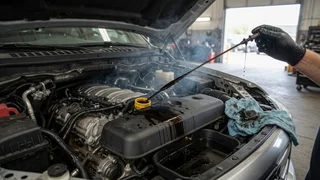
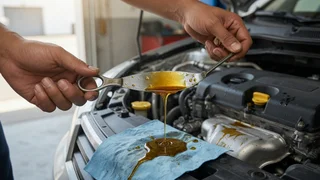
When the engine oil level is too high, the essential answer is to remove the excess oil before operating the engine further, or at minimum avoid running it until the level is confirmed. A slightly high reading just above the full mark may tolerate a short, gentle trip to a service bay, but a level well up the dipstick blade or above the maximum indicator deserves immediate correction. The repair is normally straightforward: drain a small amount from the oil pan, or use a clean suction tool through the dipstick tube, then recheck the level on level ground after the engine has been off long enough for oil to settle. The overfill itself is a condition, not proof of internal damage, so correcting the fill quantity is the first diagnostic step.
Do not confuse the dipstick full line with the maximum safe running volume. The full mark indicates the correct service fill, not just a warning threshold. When lubricant sits above that mark, the spinning counterweights and rod ends can whip air into the oil, creating a foamy mixture that is harder for the oil pump to pressurize consistently. That can reduce hydrodynamic protection at bearings even though the sump appears overfull. For this reason the practical rule is conservative: if the overfill is small enough that the oil film on the dipstick is only slightly above full, drain the difference; if the level is substantially high or the engine has already been run, inspect for leaks, smoke, or unusual noises after correction.