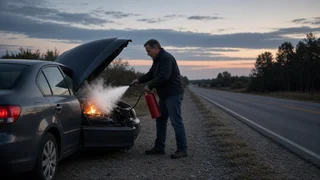
Halon extinguishers: uses and limitations
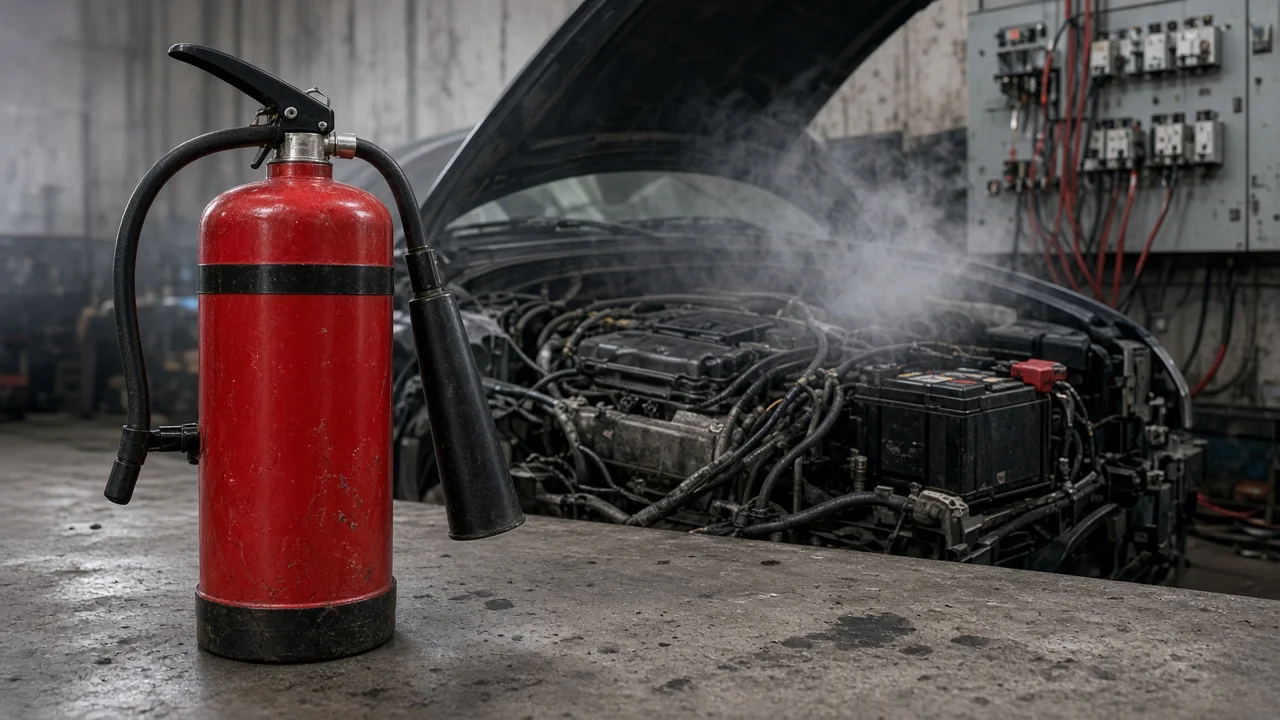
The short answer
A halon fire extinguisher is used mainly on flammable liquid fires (Class B) and energized electrical fires (Class C), in places where leftover residue or water damage would be a problem. Halon is a gaseous "clean agent": it leaves no powder or liquid behind, does not conduct electricity, and does not damage wiring or electronics. That is why it has a long history in aircraft, computer and telecom rooms, boat engine compartments and motorsport vehicles.
Two qualifications change the answer considerably. First, new halon has not been produced in the United States for decades, because it depletes the ozone layer. Existing extinguishers and recycled halon remain legal to own and use, but supply is limited. Second, halon puts flames out without cooling hot material much, so it is a poor match for some vehicle fires, especially lithium-ion battery fires in electric and hybrid vehicles.
What halon is and how it puts out a fire
Halons are halogenated hydrocarbons: compounds built from carbon plus bromine, chlorine or fluorine. The two types most often found in fire protection are Halon 1211 and Halon 1301. Halon 1211 is typically used in handheld extinguishers because it discharges as a liquid stream that can be aimed. Halon 1301 is more often used in fixed systems that flood an enclosed space with gas.
Most extinguishing agents work by cooling the fuel, smothering it, or separating it from oxygen. Halon works mainly by chemically interrupting the chain reaction that keeps a flame burning. This lets a relatively small amount of agent knock flames down quickly. It also explains its main weakness: once the gas disperses, any material still hot enough to burn can reignite.
Where halon extinguishers are typically used
Aircraft cabins, cockpits and engine areas, where weight, clean discharge and electrical safety matter. Computer rooms, data equipment and other electronics, where powder or water would cause damage beyond the fire. Marine engine compartments, often protected by fixed systems. Race cars and high-value collector vehicles, where owners want to avoid powder residue in engines, interiors and electrical systems. Fuel and electrical fires in vehicles generally, which fall under Classes B and C.
Why some vehicle owners choose halon
Standard ABC dry chemical extinguishers are effective and inexpensive, but the powder they leave is fine, gets into everything, and can be corrosive to electrical connections and metal surfaces if it is not cleaned up promptly. In an engine bay or cabin, cleanup after a small fire can therefore become a significant repair job in its own right. Halon avoids that problem, which is the main reason it appeals to owners of race, show and classic cars.
Limitations to understand before relying on one
Little cooling effect: Halon suppresses flames but does not remove much heat. Hot exhaust parts, turbochargers or soaked materials can reignite after the agent dissipates. Reduced effect outdoors: As a gas, halon is dispersed by wind. A roadside engine fire in open air is harder to control with it than a fire in a closed compartment. Limited Class A performance: Ordinary combustibles such as upholstery, carpet and plastics can smolder deep inside. Some larger Halon 1211 units carry a Class A rating, but small units may not, so check the label. Not suitable for metal fires: Burning metals (Class D), such as magnesium components, require a specialized agent. Not a solution for EV battery fires: Lithium-ion battery fires in thermal runaway generate their own heat and can reignite repeatedly. Firefighters usually need large volumes of water to cool them. A handheld halon unit should not be relied on for this. Health hazards: Discharging halon in a small, closed space can reduce available oxygen. When the agent meets flame or very hot surfaces, it can break down into irritating and toxic gases. Ventilate the area and avoid breathing the fumes. Environmental and legal limits: Halon depletes stratospheric ozone. US rules prohibit intentionally releasing it for testing or training, and unwanted units should go to a recovery or recycling service rather than being emptied or thrown away. Cost and availability: Because supply comes from recycled stock, halon extinguishers and refills generally cost more than common alternatives and can be harder to find. No current price data was available for this guide.
How halon compares with common alternatives
Agent | Typical fire classes | Residue | Main trade-off; Halon 1211 | B, C (A on some larger units) | None | Ozone-depleting, limited supply, minimal cooling; ABC dry chemical | A, B, C | Fine powder that can be corrosive | Cheap and versatile, but messy cleanup; Halocarbon clean agents (such as Halotron or HFC-based agents) | B, C (A on some units) | None | Designed as halon replacements; often bulkier for the same rating; Carbon dioxide | B, C | None | Short range, little lasting suppression, asphyxiation risk in enclosed spaces; Water-based agents | A (varies by type) | Water | Strong cooling, but not for fuel or energized electrical fires unless specifically rated
The ratings in this table describe categories in general. Actual ratings vary by manufacturer, size and model. The label on the specific extinguisher is the authority on which fire classes it is approved for.
Using any extinguisher during a vehicle fire
An extinguisher is a tool for a small, early fire, not a replacement for getting clear of the vehicle. If you see smoke or flames:
Pull over, switch off the engine, and get everyone out and well away from the vehicle and traffic. Call 911. Do not open the hood wide. A sudden rush of air can make an engine fire flare up. Only attempt to fight a fire if it is small, you have a clear escape route, and you are not downwind of the smoke. Aim at the base of the flames from a safe distance, and back away once the extinguisher is empty or the fire grows. With a halon unit, watch for reignition, since the fire may restart as the agent disperses. If a high-voltage battery is involved, do not try to fight it yourself. Move away and tell responders it is an electric or hybrid vehicle.
Gaps in the available information
This guide is based on general fire-protection principles. No confirmed product specifications, ratings, prices or test results for particular halon extinguishers were available. Readers comparing specific units should check the manufacturer's label and documentation for fire-class ratings, discharge time and range, and confirm current rules on servicing and disposal with a qualified fire equipment service provider.