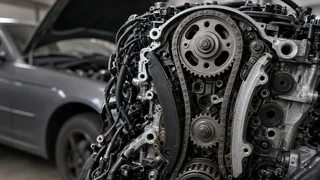
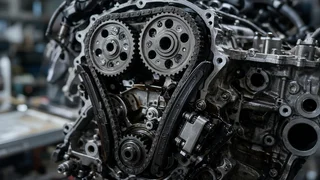
Ford Engine Timing Chain
A Ford engine timing chain may be small, but it has an important job: keeping the camshaft and crankshaft synchronized so valves open and close at the right moment. When a chain, guide, or tensioner wears, the engine can run poorly or refuse to start. Understanding how this system works helps an owner interpret noise, timing faults, and repair options. The explanation below covers the essential answer, including why manufacturer-specific confirmation matters and how general diagnostic reasoning applies across different Ford engine families.
Essential answer
The timing chain is an internal engine component that coordinates the rotation of the crankshaft, which moves the pistons, with the camshaft, which actuates the valves. On a Ford engine, the system also typically includes sprockets, chain guides, and a tensioner. Its purpose is not to make power directly but to preserve mechanical timing. If the chain stretches, a guide wears through, or the tensioner loses oil pressure control, the relationship between piston position and valve movement can drift far enough to produce rough running, hard starting, or timing-related diagnostic codes.
A Ford timing chain question therefore concerns condition, application, and symptoms rather than a single part number. Engine configuration and service history strongly influence whether a chain is a routine wear item or a long-life component on a particular design. Diagnostic codes can point to correlation errors, but they do not prove the chain itself has failed. Accurate inspection and manufacturer specifications are needed to distinguish a worn chain from a failing tensioner, a bound guide, or a variable valve timing actuator issue before any replacement is planned.