Ford 5.4 Timing Chain Problems
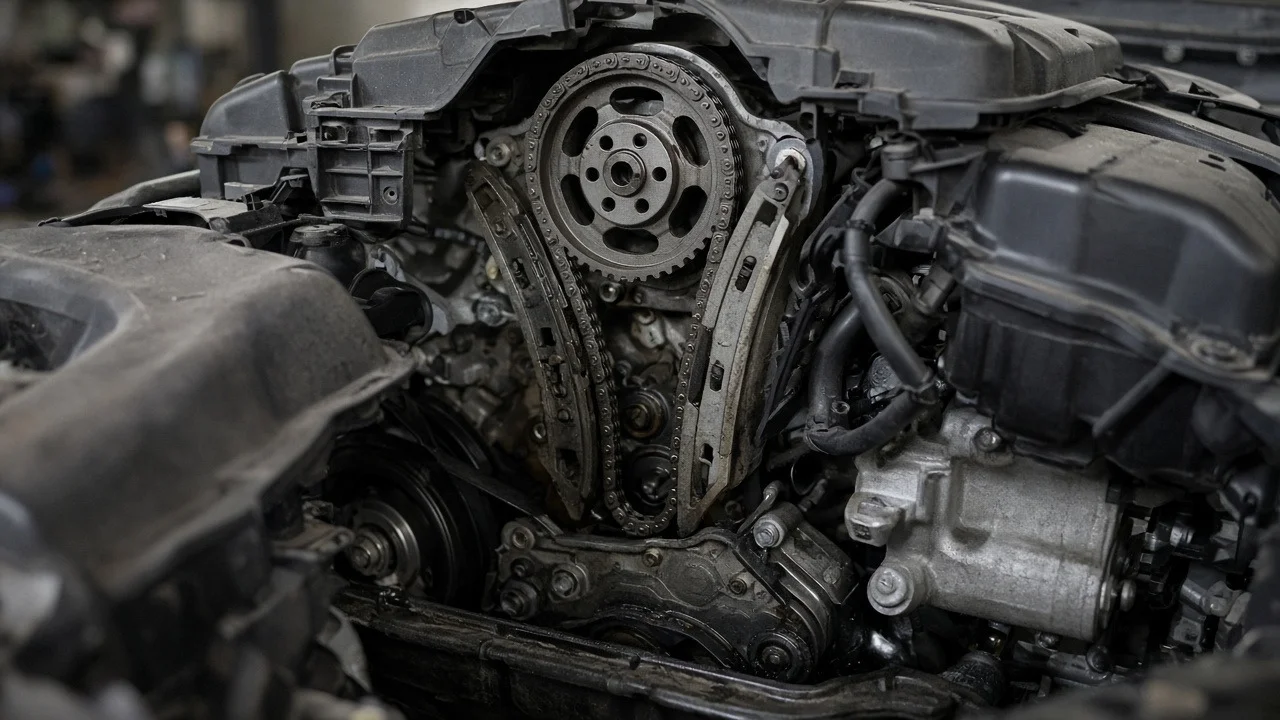
Ford 5.4 timing chain problems usually announce themselves through noise, altered engine behavior, or diagnostic codes before complete failure. These modular V8 engines use long chains, guides, and tensioners that depend on consistent oil pressure and clean lubrication. When wear allows slack, valve timing can drift enough to trigger faults and rough running. Understanding the engine configuration, service history, and symptom conditions helps owners interpret what they hear or see and decide whether inspection is urgent or can be scheduled.
Essential answer
The Ford 5.4 engine timing chain is subject to wear-related noise, guide degradation, and tensioner seal problems across many model years, though not every engine develops the same fault. Owners typically report a rattling or ticking sound at cold start that may quiet as oil pressure builds. The concern is real because these chains synchronize the camshafts with the crankshaft, and accumulated slack can affect valve timing, misfire detection, and even internal contact in severe cases. Reviewing the service history often shows whether oil changes have kept the tensioning system healthy.
A direct answer depends on the specific engine configuration and observed symptom conditions. Front-drive platforms with a transverse 5.4 can have more involved access, while truck applications present different maintenance intervals and loads. Diagnostic codes tied to camshaft position or variable timing solenoids frequently accompany a stretched or late chain, but they are not proof that the chain itself has failed. The code indicates that measured camshaft movement no longer matches the expected relationship, which can also result from actuator or oil-control faults.
Diagnosing a problem
When a Ford 5.4 engine timing chain problem is suspected, the next observation should separate chain noise from other valve-train sources such as lash adjusters, phasers, or broken exhaust manifold studs. Cold-start rattle that lasts only a second or two often points to a tensioner losing oil pressure while the engine sits, while a persistent hot rattle may indicate a worn guide surface. Comparing the sound under different symptom conditions, such as cold soak versus warm idle, helps establish whether the noise follows oil pressure recovery or continues after lubrication stabilizes.
Diagnostic codes should be treated as evidence to investigate rather than proof of a failed chain. A camshaft timing over-retarded or position correlation code can appear when the chain is loose, but it can also arise from a faulty variable timing solenoid, restricted oil passage, or degraded reluctor signal. An inspection through the oil-fill opening or a timing cover measurement using manufacturer specifications can reveal visible guide wear or excessive slack. If the engine backfires through the intake, stalls repeatedly, or loses power while the rattle worsens, continued driving should be avoided because a jumped chain can create piston-to-valve contact risk.