Fix a car dashboard scratch
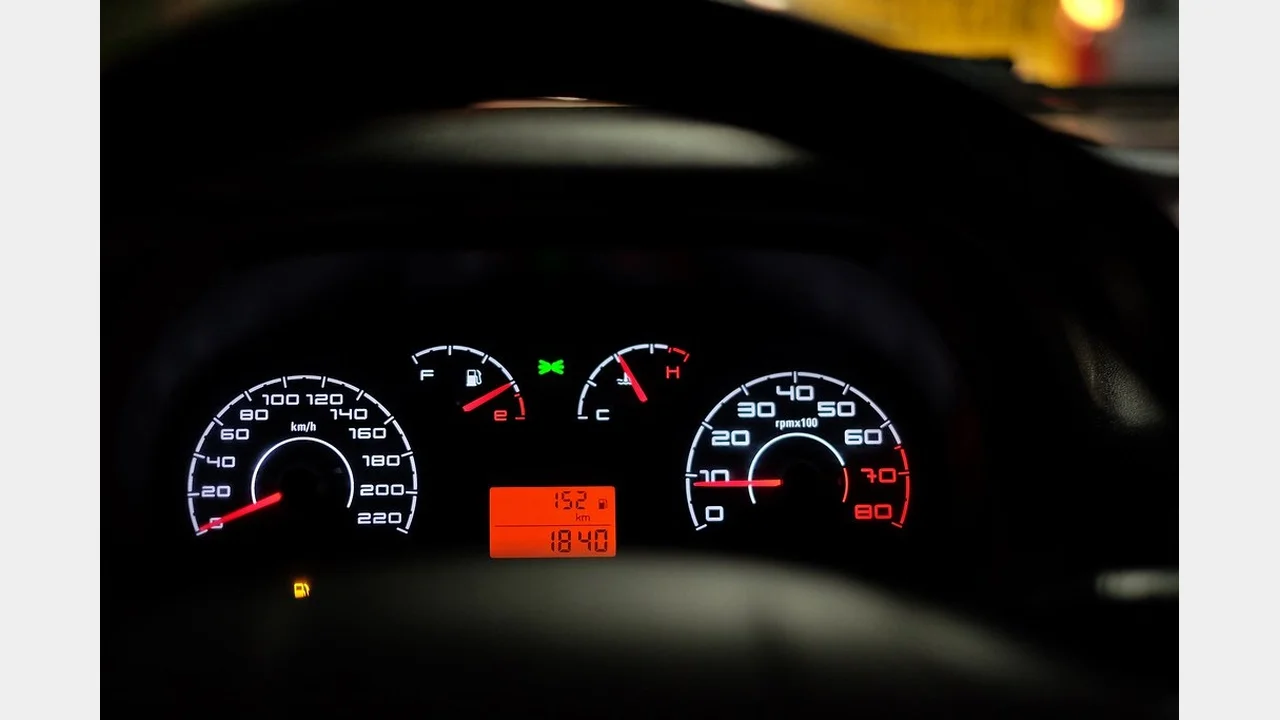
A scratched dashboard draws attention away from the instruments and warning indicators every time light crosses the surface. The damage can range from a faint scuff on vinyl to a deep gouge near the instrument cluster, and the right correction depends on the material, texture, and depth of the mark. Because the dash is both a structural panel and a display surround, any repair should preserve the original operating status visibility and avoid introducing glare or residue that could obscure a display message during a diagnostic check. This guide explains practical approaches for common automotive dashboard scratches.
Essential answer
For most light car dashboard scratch damage, a careful cleaning and a plastic or vinyl dressing is the appropriate first step. Surface-level scuffs often appear white or chalky because the textured top layer has been disturbed, not removed. Working a small amount of water-based vinyl cleaner into the grain with a soft detailing brush can settle the lifted edges and make the mark much less visible. The goal is to blend the damaged area with the surrounding grain rather than to create a perfectly smooth patch.
Deeper marks require filling the void and then matching the surrounding texture and low sheen. A plastic repair compound or flexible vinyl filler can be worked into the scratch, leveled with a plastic spreader, and allowed to cure before a light grain pad or fine abrasive is used to restore some tooth to the surface. Because the dashboard sits above the instrument cluster and may reflect onto clear plastic lenses, avoid high-gloss products that can create distracting reflections while checking the warning indicator or reading an owner manual prompt in the same area.
Diagnosing a problem
Start by examining the scratch under both direct and indirect light. If the mark disappears when the surface is wet, it is mostly a disturbed or whitened layer rather than a true cut through the material. In that case, conditioning and mild heat from a warm cloth may be enough to settle the edges. If the scratch still reads as a dark line when wet, it has penetrated past the outer color layer, and a filler or color-matched restore product is more appropriate. Note where the mark sits relative to the instrument cluster, because repairs near a warning indicator should remain matte to avoid glare.
A scratch that extends into a soft-touch panel or spans a seam may behave differently from isolated damage on a rigid section. Soft-touch coatings can peel if aggressive solvents or hard brushes are used, so test any cleaner in an inconspicuous spot first. Also check whether the surface feels raised, depressed, or sticky. Raised edges can be leveled carefully, while sticky or gummy areas suggest a coating reaction rather than simple abrasion. If the dashboard damage is accompanied by cracking, looseness, or interference with a display message lens, stop and have the panel evaluated before attempting further cosmetic work.