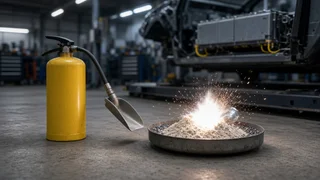
Which Fire Extinguisher Class Works Best for Combustible Metals
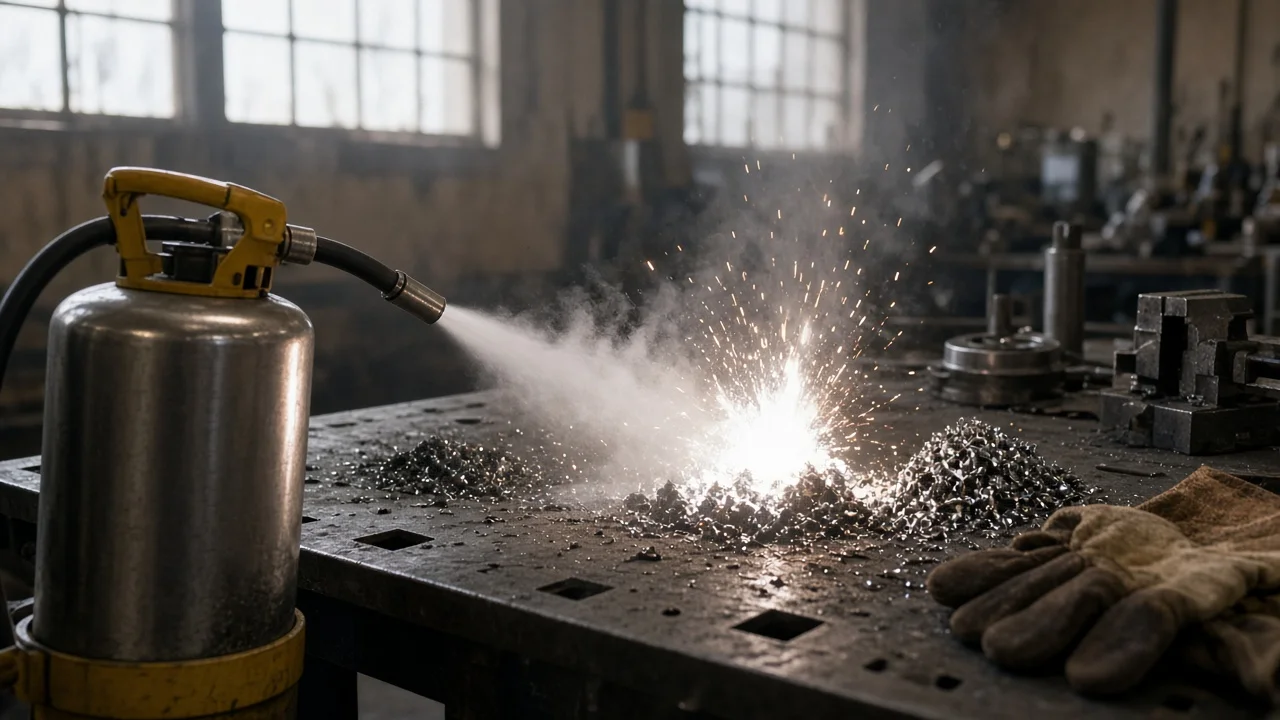
The Short Answer: Class D
In the US classification system, combustible metal fires are Class D fires, and the extinguisher designed for them is a Class D extinguisher. Metals in this category include magnesium, titanium, sodium, potassium, lithium metal and zirconium. Aluminum can also burn this way, mainly as powder, shavings or thin sections. No other extinguisher class is designed or listed for these fires.
There is an important qualification. Class D is not one universal product. Each Class D extinguisher uses a dry powder agent listed for specific metals, and one agent may not work on every metal. The label and the manufacturer's documentation state which metals a given unit is intended for. In practice, the best extinguisher is the Class D unit whose agent is listed for the metal you actually face.
How the US Fire Classes Differ
US extinguishers are labeled by the fire types they are approved for. On Class D units, the label commonly shows a yellow star with the letter D. The table below outlines the general classes so you can see where metal fires fit.
Class | Fuel type | Relevance to metal fires; A | Ordinary combustibles such as wood, paper, cloth and many plastics | Not designed for burning metals; B | Flammable liquids and gases such as gasoline, oil and solvents | Not designed for burning metals; C | Fires involving energized electrical equipment | Not designed for burning metals; D | Combustible metals such as magnesium, titanium, sodium and lithium metal | The class intended for metal fires, with agents listed for specific metals; K | Cooking oils and fats in commercial kitchens | Not designed for burning metals
A common point of confusion is the multipurpose ABC dry chemical extinguisher, which is the type most often sold for homes and cars. It covers Classes A, B and C. That broad label does not include Class D, and it should not be relied on for a burning metal.
How Class D Extinguishers Work
Burning metals reach very high temperatures. Some can take oxygen from substances that normally put out fires, including water and carbon dioxide, so the usual approaches of cooling with water or displacing oxygen with gas can fail or make the fire worse. Class D agents instead work mainly by smothering. A layer of dry powder covers the burning metal, cuts off air and absorbs heat. With some agents, the powder forms a crust over the metal.
Commonly used Class D agent types include the following. Each is listed for particular metals, so check the label rather than assume coverage.
Sodium chloride-based powder: used on a range of metal fires, including magnesium and sodium. It forms a crust over the burning material. Graphite-based powder: smothers and draws heat away from the burning metal. Copper-based powder: associated mainly with lithium metal fires. Sodium carbonate-based powder: used on certain alkali metal fires.
Delivery also differs from other extinguishers. Many Class D units have a low-velocity nozzle or applicator wand. It lets the user gently bury the fire in powder instead of blasting it. A high-pressure stream can scatter burning particles and spread the fire.
Why Water and Common Extinguishers Can Be Dangerous
Water applied to some burning metals, notably magnesium and the alkali metals, can react violently. It can release hydrogen gas and cause flare-ups or explosive spattering. Carbon dioxide may not suppress certain metal fires and can feed some of them. Standard dry chemical agents may simply fail to cut off the reaction. These are the reasons Class D exists as a separate category, and why using the wrong extinguisher on a metal fire can increase the hazard.
Where Combustible Metals Appear in Vehicles
Some vehicles use components made of combustible metals, though which parts and how much varies by manufacturer, model, generation and trim. Magnesium alloys have been used in some wheels, engine and transmission parts, and interior structural pieces such as steering column or dashboard supports. Titanium appears in some performance exhaust systems and fasteners, especially in motorcycles and high-performance cars. Bulk aluminum in a car fire usually melts rather than burning like a metal fire, but finer aluminum pieces can burn. The supplied material does not confirm which current models use these metals or in what quantities, so check the documentation for any specific vehicle.
Once a vehicle fire is hot enough to ignite magnesium components, it is usually well established and beyond what a bystander should attempt to fight. Burning magnesium may flare up if firefighters apply water, and handling that is a job for professional fire crews with the right tactics and equipment.
A Note on Electric Vehicle and Lithium-Ion Batteries
Because lithium is a Class D metal, many people assume a Class D extinguisher is the answer for electric vehicle battery fires. That assumption needs correcting. Lithium-ion batteries, including EV traction batteries, contain very little metallic lithium. Their fires behave differently: damaged cells can heat in a chain reaction known as thermal runaway, give off flammable and toxic gases, and reignite after appearing to be out.
A handheld Class D extinguisher is not the standard response for an EV battery fire. Fire services generally handle these fires with large volumes of water and specialized procedures, and some vehicle makers publish emergency response guides for their models. The roadside priority is to move everyone away from the vehicle and call 911. Lithium metal batteries, which are typically non-rechargeable cells, are a separate case where a Class D agent listed for lithium may apply.
Strengths, Limitations and Who Should Consider One
The main strength of a Class D extinguisher is that it is the only extinguisher class designed and listed for combustible metal fires. A correctly matched agent can control a metal fire that water or common extinguishers might worsen.
Its limitations are significant for most drivers:
It is metal-specific, so a unit listed for one metal may not suit another. It is not designed for ordinary Class A, B or C fires, which are the types a typical vehicle fire usually begins as, such as leaking fuel, oil or electrical faults. It does not address lithium-ion EV battery fires as a primary response. It is a specialist tool most often found in machine shops, labs and industrial settings, and it is less common in consumer retail.
Editorial verdict: a Class D extinguisher makes sense for workshops, race teams or fabricators who machine, grind or store magnesium, titanium or other combustible metals. In those settings, metal chips and dust create a real ignition risk. For ordinary motorists, a vehicle extinguisher rated for the fire types a car is most likely to produce, typically a multipurpose or BC-rated unit, is the more practical choice. This guide could not confirm specific extinguisher sizes, ratings, prices or product test results, so verify those details with the manufacturer and its listing information before buying.
Key Safety Boundaries
If a vehicle is burning, get everyone out, move well away and upwind, and call 911. Only attempt to fight a small fire with a correctly rated extinguisher if you have a clear escape path. Do not use water on a fire you suspect involves burning metal. Do not open the hood or trunk of a burning vehicle, because added air can feed the fire. Leave established vehicle fires, metal fires and battery fires to professional firefighters.