Find a 21st Century approved body shop
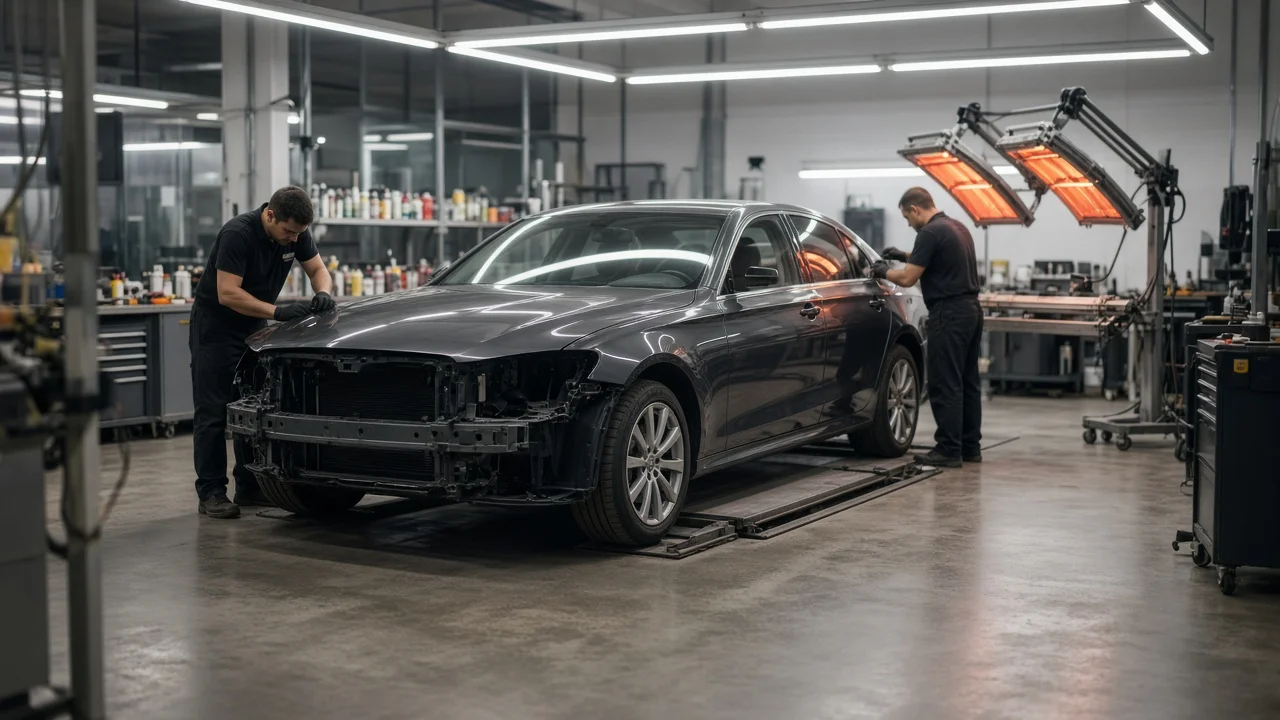
Finding a 21st Century approved body shop connects a collision repair with the specific equipment, training, and structural methods modern vehicles require. The phrase is best treated as a navigational search for a facility whose repair standards align with contemporary unibody construction, advanced driver-assistance calibration, and mixed-material panels. For a driver facing damage, this approval signal is not a brand name but a practical filter. It points toward shops organized around measured panel clearances, correct part fitment, and finish compatibility rather than older hammer-and-filler habits. The sections below explain what to ask and how to recognize the right facility before leaving the vehicle.
Essential answer
A 21st Century approved body shop should mean a collision repair business equipped for the way vehicles are built and damaged today, not a shop merely using a modern-sounding label. In practice, that includes structural measuring, resistance welding or approved bonding for mixed substrate materials, and scan-tool access for post-repair electronic checks. The essential answer is that the approval signals a process-oriented repair, where attachment points, panel clearance, and surface preparation are treated as measurable repair steps. Without supplied national registry evidence, the term should be confirmed locally, but it still points to a definable category of collision work rather than a generic paint booth.
The most useful qualification is that modern body repair is no longer just cosmetic. A bent quarter panel can hide a shifted mounting point that changes suspension geometry or sensor aim. An approved shop therefore documents disassembly, measurement, replacement, and corrosion protection, and it treats finish compatibility as part of the repair decision. If a shop cannot show how it checks dimension, substrate material, or panel clearance before refinishing, it is probably not the facility the search intends. The approval idea matters most when structural parts, airbag-related sensors, or laminated steel and aluminum are involved.
Identification and location
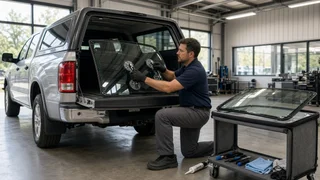
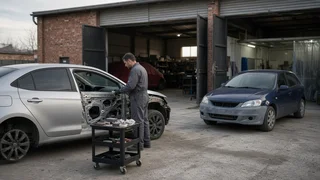
Recognition starts at the building and the estimate process, not with a wall sign. Look for visible frame-measuring equipment, a clean area for bare-metal surface preparation, and separate spaces for sanding versus painting. The written repair plan should mention attachment points, panel fit-up checks, and specific procedures for the substrate material involved. On a common unibody car, the lower rails, strut towers, and radiator support are prime reference locations; a thorough shop will compare them against published vehicle dimensions before and after pulling. If those location cues appear on a damage report, the facility is following a measurement-based identification process.
Many easily confused terms hide in repair language. A shop can say it uses OEM procedures while still outpacing its actual training, so ask for the vehicle line or material class the facility is approved to handle. The relevant identification is not a generic certificate on the wall; it is the shop’s ability to name where the audiovisual sensors, blind-spot modules, or parking aids sit and how panel repair preserves their fields. A facility that cannot locate a radar bracket behind a bumper cover, or explain why a weld-bonded joint cannot be replaced with a seam sealer, has not matched the approval claim with the vehicle in front of it.