Century Truck Cap Replacement Glass: What to Check Before You Buy
Replacement glass for a Century truck cap is usually available, but buying the right piece depends on three things: knowing exactly which cap you have, knowing which window you are replacing, and knowing whether that window is sold as bare glass or as a complete assembly with its frame and hardware. If you can identify the cap model and the window position, ordering is usually straightforward. If the cap is old, discontinued or missing its identification label, expect to match the window by pattern and measurements, often with help from a cap dealer or a glass shop.
The short answer
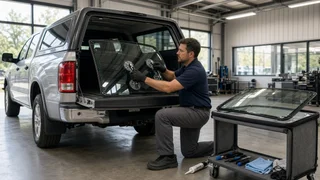
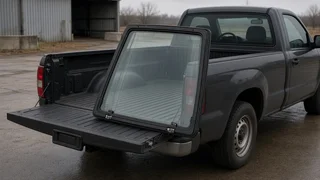
Start with the cap's identification label or serial number, then confirm the truck the cap was built for and the window location. Order through a truck cap dealer that handles the brand when you want a direct-fit part. Use a local auto or truck glass shop when the original part is unavailable or a framed side window only needs new glass. The condition that changes this answer most is the window type: a frameless rear door is typically replaced as a shaped tempered panel with its hinge and latch hardware transferred or replaced, while many side windows are replaced as a whole framed unit.
Identify the cap before shopping
Cap glass is shaped to a specific cap body, and cap bodies are shaped to specific truck beds. Two caps that look alike can use different glass if they were built for different trucks, model years or bed lengths. Before contacting a seller, gather:
The serial number or build label, often found inside the cap near the front window, on a side rail or inside the rear door frame; The cap's model name, if known; The truck make, model, model years and bed length the cap was built for; The window position: rear door, left or right side, or front; Clear photos of the whole window, its frame or hinge, the latches and the edge seal; The tint level and any markings printed in the corner of the existing glass
The build label matters most because it lets a dealer look up the original configuration. Without it, fitment has to be confirmed by measurement and shape, which takes longer and leaves more room for error.
Know which window type you are replacing
Truck caps use several window designs, and each is bought and installed differently.
Window type | What usually gets replaced | Main fitment concern; Frameless rear door | Shaped tempered glass panel, with hinge, struts and latches reused or replaced | Hinge and latch hole positions, curvature and overall shape; Framed rear door | Glass within the frame, or the full framed door | Frame dimensions and how the glass is retained; Solid side window | Often the complete framed unit | Cutout size in the cap and frame profile; Sliding side window | Complete unit, or individual sliding panes and tracks | Track design and pane dimensions; Flip-up or swing-out side window | Complete unit or glass with hardware | Hinge, prop and latch locations; Front window | Fixed or sliding unit facing the cab | Shape and seal to the cap's front wall
Glass specification
Cap windows, especially frameless rear doors, are typically tempered safety glass. Tempered glass is heat-treated so it shatters into small pieces rather than sharp shards, but it cannot be cut, drilled or trimmed after manufacture. Any holes for hinges or latches must already be in the right place when the panel is made, so a replacement has to be produced to the correct pattern rather than cut to fit at home. Check the replacement's markings and confirm it is rated as automotive safety glass suitable for the application.
Tint is the other part of the specification. Factory tint shades vary, and a new panel noticeably lighter or darker than the remaining windows can look mismatched. Tint also affects rearward visibility at night, so choose a shade that still lets you see through the cap and the truck's rear window when reversing. Some rear doors may also include features such as a defroster grid or third brake light mounting; if yours does, confirm the replacement includes or accommodates them.
Fitment and mounting points
For a frameless rear door, the glass itself carries the hinge, gas struts and lock handles. The mounting points on the new panel must line up with the hinge on the cap and with the latch catches at the bottom edge. Compare the hole layout on the replacement to the original before installation. Also check the overall shape and curvature: a panel that is close but not exact may seal poorly or put stress on the glass when the latches are closed.
Decide early whether to reuse the old hardware. Hinges, struts, handles and locks can often be transferred, but worn struts, corroded hinge bolts or a cracked lock body are worth replacing while the door is off. If the original glass broke because of a failed strut or misaligned latch, fix that cause or the new glass may suffer the same fate.
Sealing surface and adhesive compatibility
A new window only stays dry if it seals properly. On rear doors, the seal is usually a rubber weatherstrip around the cap's door opening that the glass presses against when latched. Inspect it for flattening, cracks and gaps; a new door against an old, compressed seal can still leak. On framed side and front windows, the frame is typically sealed to the cap wall with a gasket, butyl tape or a sealant, and fastened with screws or a clamping ring.
Before sealing, the surface on the cap must be clean and free of old sealant, dirt and wax. Use a sealant or tape suited to both the cap material, commonly painted fiberglass or aluminum, and the window frame. Products differ in how they bond, cure and accept paint, and some do not stick well to residue left by others, so remove the old material and follow the sealant maker's directions. If the installation instructions specify a product type, use it.
Where to buy: your realistic options
Truck cap dealer that services the brand: the most direct route to a correct-fit part when you have the serial number. Lead times can vary, particularly for older caps. Auto or truck glass shop: useful when the original part is no longer offered, or when a framed window only needs new glass. Some shops can produce tempered glass to a pattern taken from your broken or intact window. Used or salvaged cap windows: sometimes a workable option for discontinued caps, but only if the cap model and truck fitment match exactly and the glass, hardware and frame are undamaged. Universal replacement windows: generally suited to some side window openings rather than shaped rear doors, and only when the cutout dimensions and frame style are compatible.
DIY or professional installation
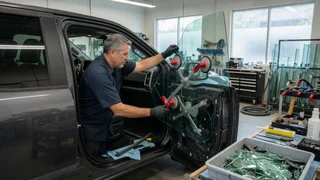
Swapping a complete framed side window or a direct-fit rear door that bolts to the existing hinge is often within reach of a careful DIYer with a helper, since rear door glass is heavy and awkward to hold in place while fasteners are started. Professional installation makes more sense when glass has to be made to pattern, when the frame must be removed and resealed on a fiberglass cap, or when the cap has leaked before and the cause is not clear. Whoever installs it, test the result with water before relying on the cap to keep cargo dry.
Checklist before you order
Cap serial number or build label recorded; Truck make, model, years and bed length confirmed; Window position and type identified; Replacement confirmed as tempered automotive safety glass where required; Hole layout and mounting points matched to your hinge and latches; Tint shade chosen to match and to preserve visibility; Decision made on reusing or replacing hinges, struts, handles and locks; Weatherstrip and sealing surface inspected, with new seal or sealant ready; Installation plan set: DIY with a helper or a professional installer