Replace truck window glass
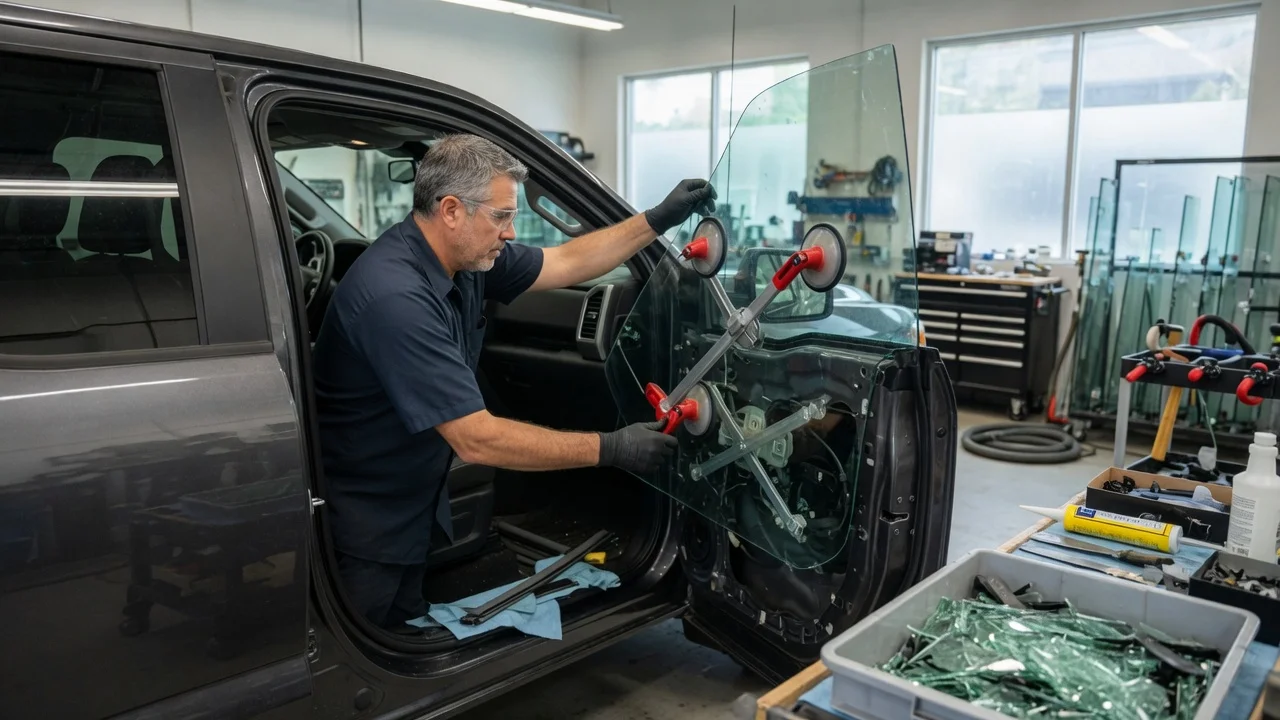
What truck glass replacement means
Truck glass replacement is the process of removing a damaged or failed window and installing a new piece of glazing. On most pickups, this work covers either a side window, a rear window, a sliding back glass, or a quarter glass panel. The windshield is a separate category because it is laminated and often bonded as part of the body structure. The exact procedure depends on the truck generation, cab style, trim level, and whether the glass is fixed or movable. A regular cab, extended cab, and crew cab can use different rear and side glass shapes, so the replacement part must match the vehicle identification number and body configuration rather than just the model name.
The immediate answer
For most side and rear truck windows, replacement is possible at home with basic trim tools and the correct seal or adhesive, but the job is not always simple. Fixed rear glass often uses a urethane adhesive, while older trucks may use a rope-in rubber gasket. Sliding rear windows and power sliding back glass add tracks, latches, motors, or defroster connections that change the labor and risk. If the damaged glass is tempered, it cannot be repaired; it must be replaced. If the damage is only a small chip in laminated windshield glass, repair may still be possible within size and location limits, but side and rear tempered glass do not allow that option.
Identifying the glass you need
The replacement part must match the cab style and the glass function. A base regular cab solid rear window is different from a crew cab power sliding window with a defroster grid. The glass manufacturer label usually shows the DOT number, AS rating, and tempering information. The AS rating indicates the glazing position and required performance. For example, AS-2 tempered glass is common for side and rear positions, while AS-1 laminated glass is used for windshields. The part should also match the original tint shade, solar control coating, and any embedded antenna or defroster element. Using an unbranded or universal piece can create a color mismatch, a poor seal, or an electrical fault if a heated grid is involved.
Replacement method
For a fixed gasket-mounted window, the old glass is removed by releasing the locking strip from inside the cab, then pushing the glass outward with steady pressure. The new glass is seated into the gasket with cord or a plastic tool, and the locking strip reinstalled. For urethane-bonded glass, the damaged piece is cut out with a wire or cold-knife, the bonding surface is cleaned and primed, and the new glass is pressed into a continuous urethane bead. The truck should remain stationary for the full cure time shown on the adhesive. Many urethanes require several hours before safe road use, but exact times vary by product temperature and humidity.
When a mobile technician is the better choice
A bonded rear window with a defroster and power slider is more involved than a simple fixed pane. The electrical connector must be disconnected without damaging the grid, and the adhesive path must be clean enough to prevent leaks. Mobile glass services often handle this work because they carry the specific part and the correct adhesive. The cost difference between a DIY gasket window and a bonded power slider can be substantial. If the truck has rain-sensing features, camera mounts, or acoustic glass, those details may require recalibration or a special part. Material uncertainty matters here: the exact service procedure depends on the model year and factory options, and a visual inspection is the most reliable way to confirm the bond type.
Common ownership mistakes
One frequent error is ordering a rear window for the wrong cab style. Another is reusing an old gasket that has hardened or shrunk. On defroster glass, forcing the connector off can tear the heating trace. On urethane jobs, touching the adhesive during the cure stage or closing the door hard can break the seal. Some truck owners also assume that all side glass is the same tint, but factory privacy glass and solar glass have different optical and thermal properties. If the replacement is covered by insurance, the policy may require an original equipment or equivalent part, and the claim decision should be confirmed before the part is ordered.
Safety and final check
After installation, the window should sit flush with the body and the seal should be continuous. A water test with low-pressure spray can expose leaks, but direct high pressure should be avoided until the adhesive has fully cured. Tempered glass must be handled carefully at the edges because even a small impact can cause the entire pane to shatter into small fragments. Laminated windshield glass behaves differently and is not a substitute for side or rear tempered glazing. For any truck with advanced driver assistance sensors behind the windshield, replacement requires verification that the sensor view is clean and that the system operates as intended; that step is not part of side or rear window replacement unless a camera or sensor is mounted nearby.